Fiji Waste Incinerator Plan Would Raise National Emissions 25% — SkimNews

Get the Energy newsletter
Daily energy & climate — solar, EVs, oil, the policy fights and tech bets shaping the transition. Free.
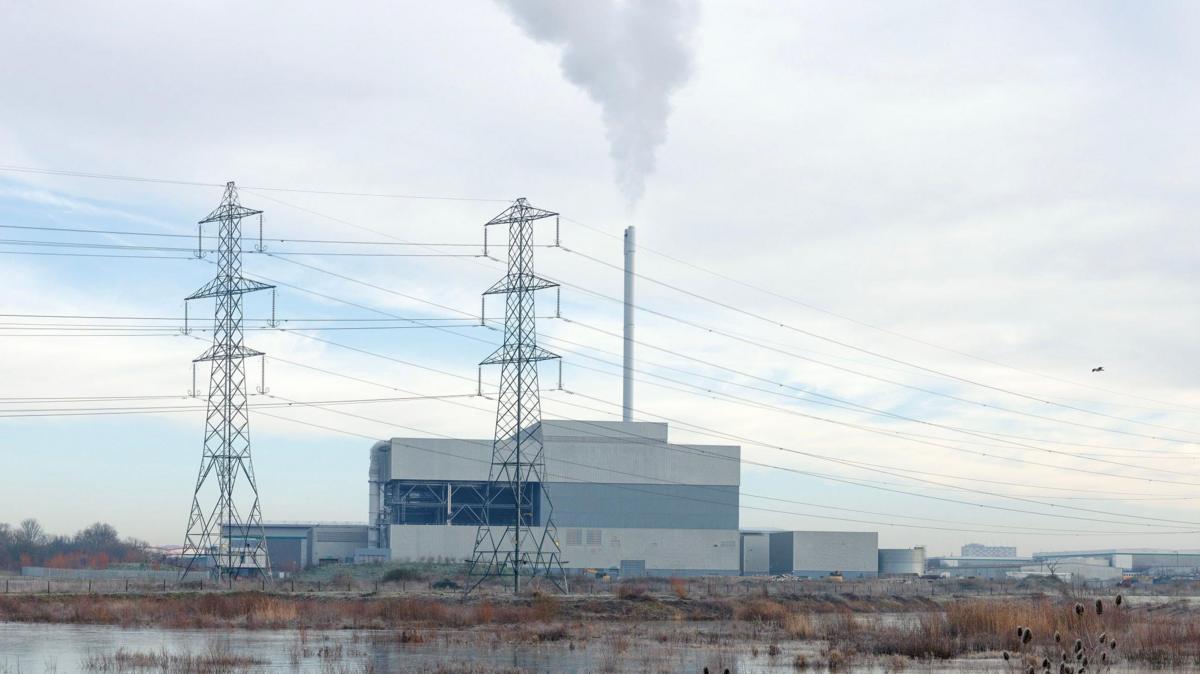
- Ian Malouf and Rob Cromb are behind a $630m waste-to-energy incinerator planned within 15km of Nadi, Fiji's tourism gateway, forecast to consume 900,000 tonnes of non-recyclable rubbish annually and supply 40% of the country's electricity.
- An environmental impact statement from the developers' company TNG shows the project would raise Fiji's national emissions by 25%, undercutting its case as a clean-energy replacement for diesel.
- Fiji's UN ambassador Filipo Tarakinikini condemned the plan as "waste colonialism," writing that the Vuda coast "must not become the Pacific's ashtray" and warning that ash residue and dioxins would contaminate the food chain.
- Malouf spent seven years trying to get a similar incinerator approved in Sydney before it was rejected in 2018 as a risk to human health, according to planning and court documents.
- Cromb said the project "is not intended to import waste from overseas," but the plan lodged with Fiji's government shows it would feed in waste shipped from Australia and across the region — a potential breach of a 1998 convention on shipping hazardous waste to Pacific island nations.
- Traditional landowner Inoke Tora boarded a bus to Suva with a petition of opposing villagers, while Fiji's tourism minister Vilame Gavoka said facilities in other countries are located away from businesses and densely populated areas.
- Fiji's permanent secretary for environment Michael Sivendra told AFP the project is under review, as the opposition frames the Vuda coast — where residents say the first Fijians arrived to shore — as a site being turned into a "big sore thumb."
Why it matters: If approved, the incinerator would be the first major case of Australia exporting waste to a Pacific neighbor via a facility rejected in Sydney in 2018 as a health risk, with the developers' own data showing a 25% spike in Fiji's national emissions and up to 900,000 tonnes of annual throughput — putting the country's tourism economy, fishing communities, and 1998 hazardous-waste convention obligations directly on the line.
Ask SkimNews