US‑China Summit Ends With No Deal on Iran or Taiwan — SkimNews

SkimNews Take
The US-China summit's failure to link Iran and Taiwan suggests a deeper, unstated disagreement on the nature of their respective spheres of influence, rather than just a missed opportunity for a transactional deal.
Get the Geopolitics newsletter
Daily geopolitics — wars, elections, sanctions, the diplomatic moves that move markets. Free.
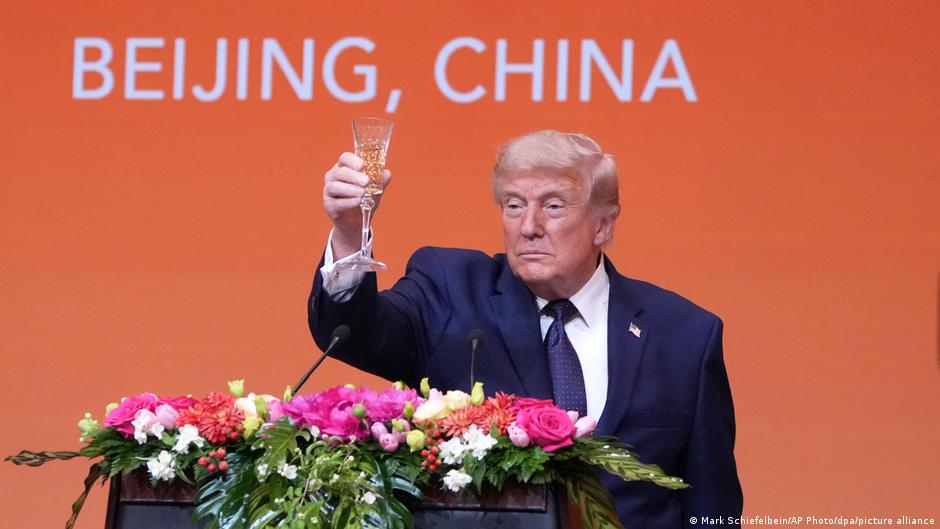
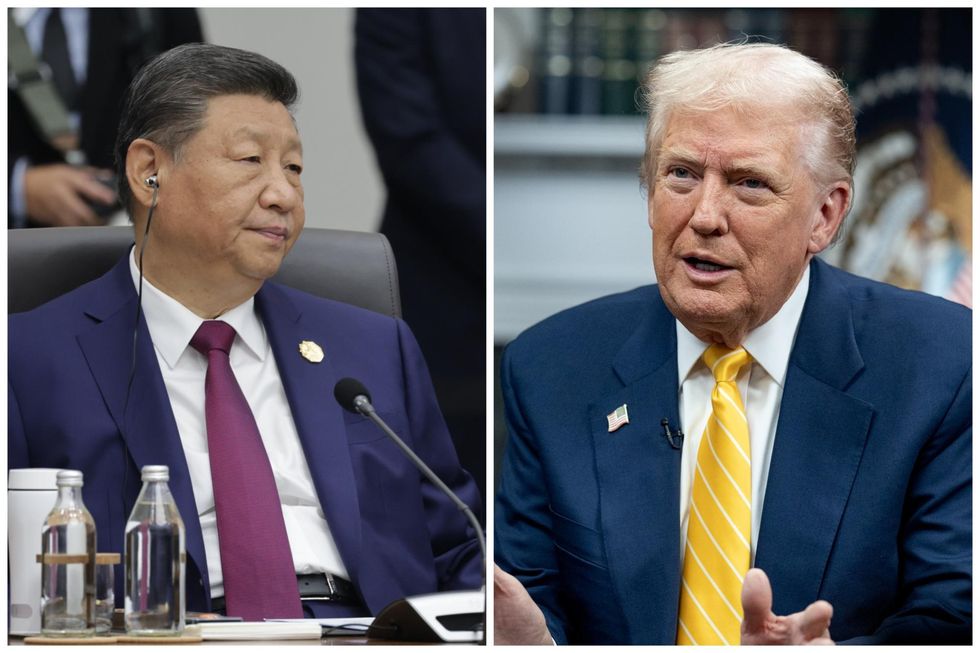
- US‑China summit ended without progress on Iran and Taiwan, the two urgent security issues dividing the superpowers.
- Speculation of a deal swapping Taiwan for Chinese pressure on Iran to open the Strait of Hormuz failed to materialize.
- Pentagon is conducting the Iran war using air and naval power, drones, and stand‑off missiles, a strategy it would likely employ against China.
- Iran relies on large numbers of mobile short‑range ballistic missiles and drones, allegedly supported by Chinese technology and satellite targeting data.
- China operates a satellite constellation capable of tracking US military platforms, including aircraft carriers, in real time.
- US bases in Japan lack hardened protection against missile and drone attacks, making them vulnerable to tactics used against Iranian assets.
- Patriot missile interceptors and other key munitions such as LRASM and JASSM are severely depleted, raising concerns about US readiness for a potential conflict with China.
Why it matters: The deadlock forces the United States to grapple with a resilient Iranian adversary and a formidable Chinese navy while its own munitions stocks dwindle and forward bases remain exposed, eroding American leverage and increasing the cost of any future conflict for US policymakers.
Ask SkimNews