ASEAN Pivots to Engagement With Myanmar's Junta — SkimNews
Get the Geopolitics newsletter
Daily geopolitics — wars, elections, sanctions, the diplomatic moves that move markets. Free.
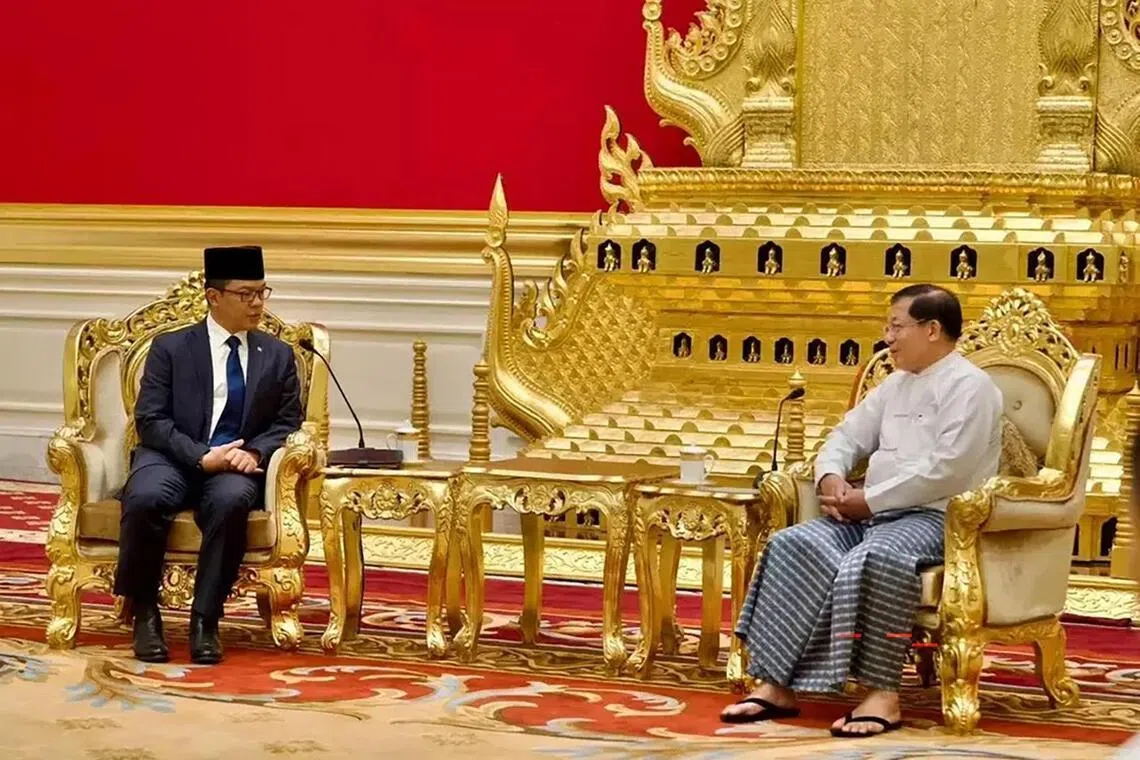
- Foreign Minister Sugiono visited Naypyidaw on June 8 — the first official Indonesian minister trip to Myanmar since the 2021 military coup — carrying a message from President Prabowo Subianto reaffirming support for an inclusive peace process.
- Sugiono met with junta chief-turned-president Min Aung Hlaing and described the talks as held in a 'cordial, positive, open and constructive atmosphere,' while analysts at ISEAS–Yusof Ishak Institute characterized the visit as a 'pragmatic recalibration' rather than a policy shift.
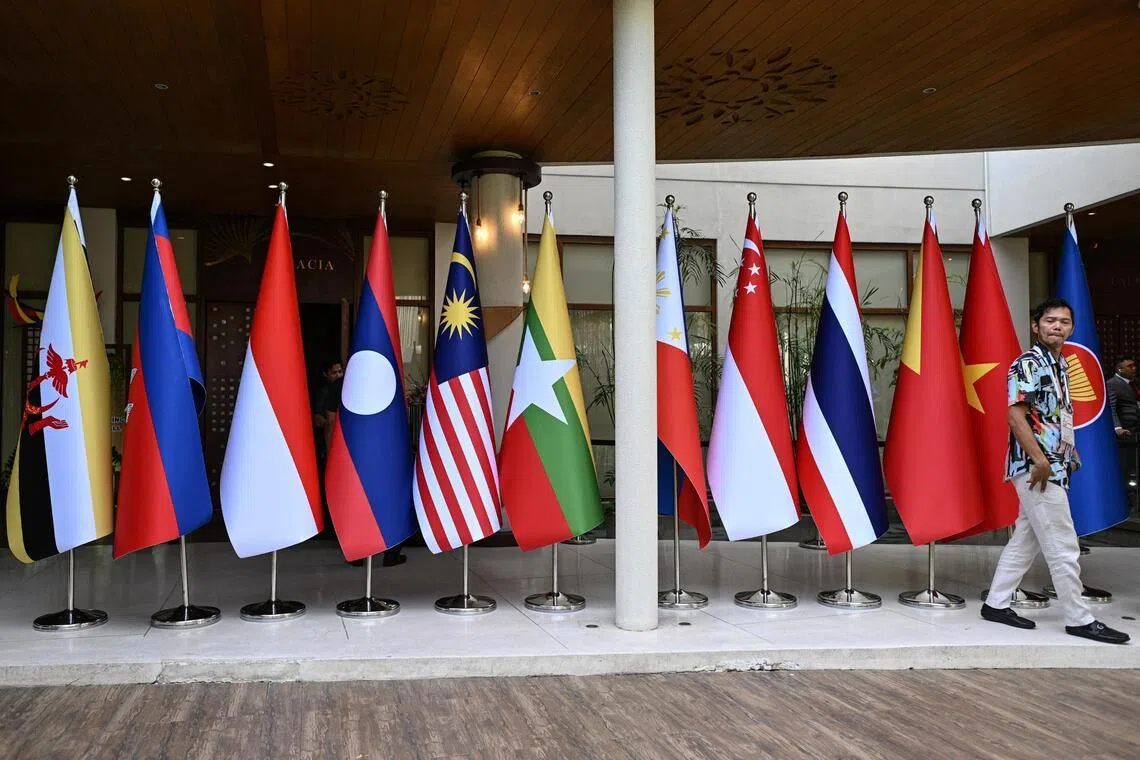
- ASEAN has barred Myanmar's military leadership from high-level meetings since the 2021 coup, but Thailand's foreign minister visited in April, Malaysia's in May, and Secretary-General Kao Kim Hourn announced on May 8 that ASEAN foreign ministers agreed to a virtual meeting with their Myanmar counterpart.
- Myanmar's December 2025–January 2026 elections, widely criticized as neither free nor inclusive, paved the way for Min Aung Hlaing to become president in April, prompting fresh debate within ASEAN over how to engage Naypyidaw.
- ISEAS analysts Joanne Lin and Julia Lau warned that bilateral engagement risks legitimizing the military leadership without corresponding progress on the Five-Point Consensus's conditions — cessation of violence, dialogue, a special envoy, and humanitarian aid — and could expose ASEAN's internal divisions.
- Indonesian observer Teuku Rezasyah drew a parallel to Indonesia's own post-1998 transition, suggesting President Prabowo 'would like to make a breakthrough' and that Myanmar could learn from Indonesia's gradual military withdrawal from politics.
Why it matters: ASEAN's four-year strategy of isolating Myanmar's junta has produced minimal progress on the Five-Point Consensus, and Indonesia — historically the bloc's strongest advocate for accountability — is now joining Thailand and Malaysia in direct bilateral engagement, a shift that could either revive the stalled peace roadmap or fracture ASEAN's credibility if member states pursue separate tracks without coordinated objectives.
Ask SkimNews