Here’s how offshore wind helped New England beat record heat — SkimNews
Get the Energy newsletter
Daily energy & climate — solar, EVs, oil, the policy fights and tech bets shaping the transition. Free.
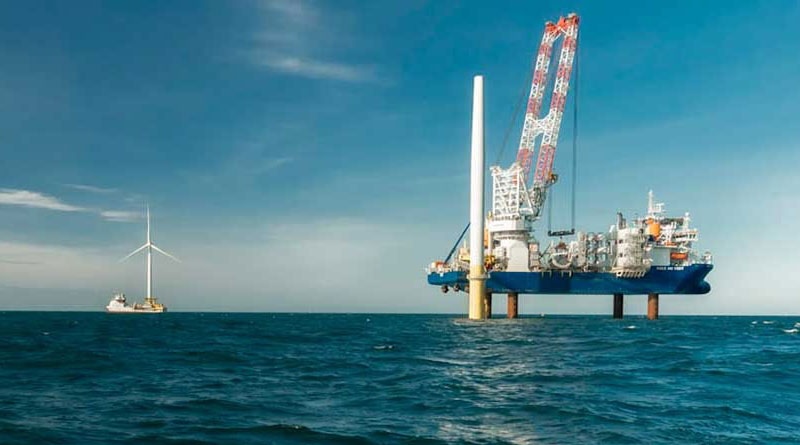
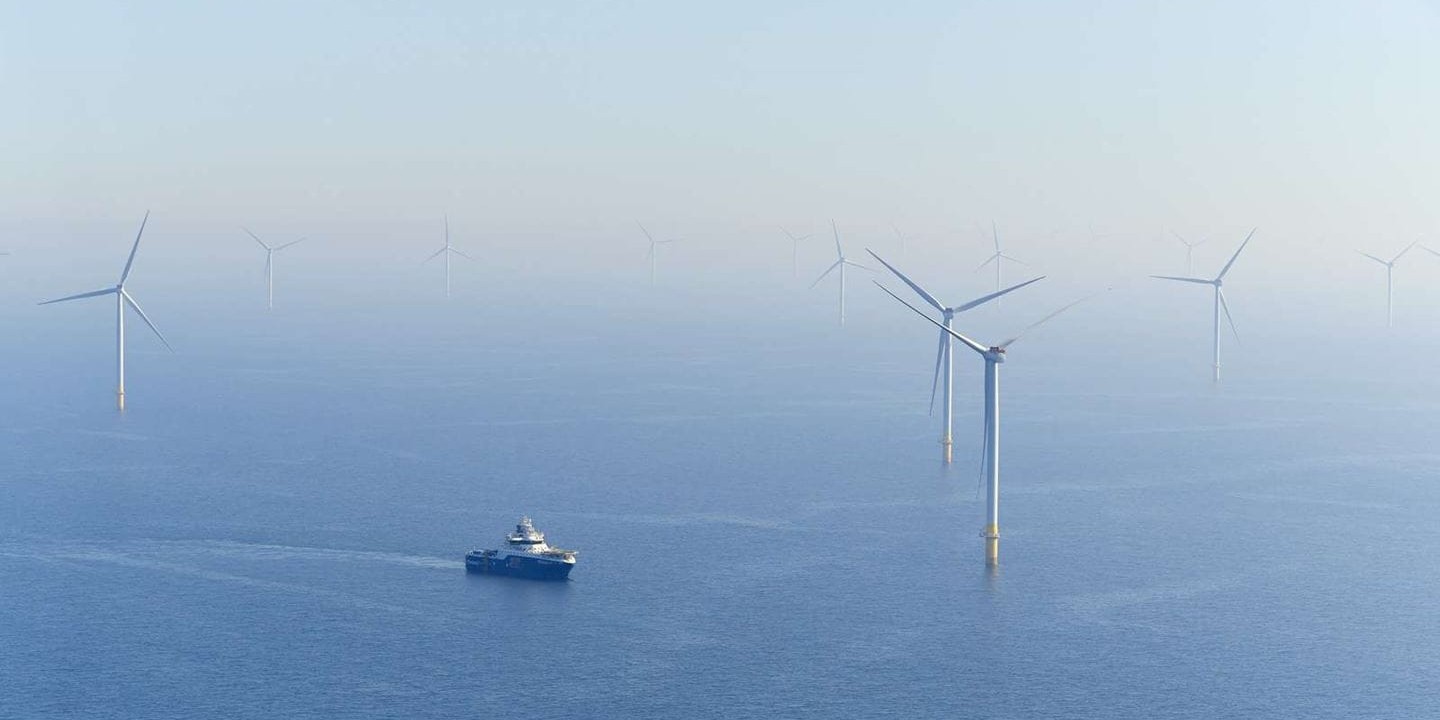
- Vineyard Wind (806-MW) and Revolution Wind (704-MW) delivered hundreds of megawatts to New England's grid during the recent heat wave, reducing oil-fired generation from nearly 15% on June 24, 2025 to nearly 10% on July 2, 2026 — a drop of more than a gigawatt.
- New England operators produced 42.2 GWh of oil-fired power during the July 1-4 heat wave, down 37% from the total oil burned during June 23-25, 2025, according to Grid Status analyst Tim Ennis.
- The New England Clean Energy Connect power line, which began carrying Canadian hydropower to Maine in January, also reduced peak oil use alongside the wind projects.
- The Trump administration has repeatedly tried to halt the five offshore wind projects under construction — stopping Revolution Wind in August 2025 and pausing all five leases in December — and is now using billions in taxpayer funds to pay developers to abandon future wind farms.
- South Fork Wind (132-MW) off New York operated at nearly full capacity on July 2, sending electricity into Long Island's heat-stressed grid, per Ørsted's Mikkel Mæhlisen.
- When all five offshore wind farms are fully online, they will add nearly 6 GW of clean capacity to help the East Coast grid on both extreme-cold and extreme-heat days.
- ISO New England warned in August 2025 that delaying Revolution Wind "will increase risks to reliability" during heat waves — a concern the recent data has now vindicated.
Why it matters: New England utilities avoided burning enough oil to cut oil-fired generation 37% over four days versus June 2025, easing costs for ratepayers during peak demand. The Trump administration is now paying developers with billions in taxpayer funds to abandon future wind farms, even as the five projects already underway would add nearly 6 GW of clean capacity to the East Coast grid.
Ask SkimNews