Nvidia’s new $500B plan is risky but brilliant, especially for aging GPUs — SkimNews

Get the Finance newsletter
Daily finance — markets, central banks, M&A, the prints that move money. Free.
- Nvidia announced commitments of up to $500 billion from Apollo, BlackRock, Blackstone, Brookfield, Goldman Sachs, and KKR to build AI data centers.
- Nvidia agreed to backstop with its own money the value of its chips used as collateral in these deals, covering up to 25% of the gap if GPUs cannot command their expected resale price after a default.
- The structure creates "wrong way" risk: Nvidia's guarantee obligations would grow as AI demand weakens — the same moment its chip revenues would likely compress.
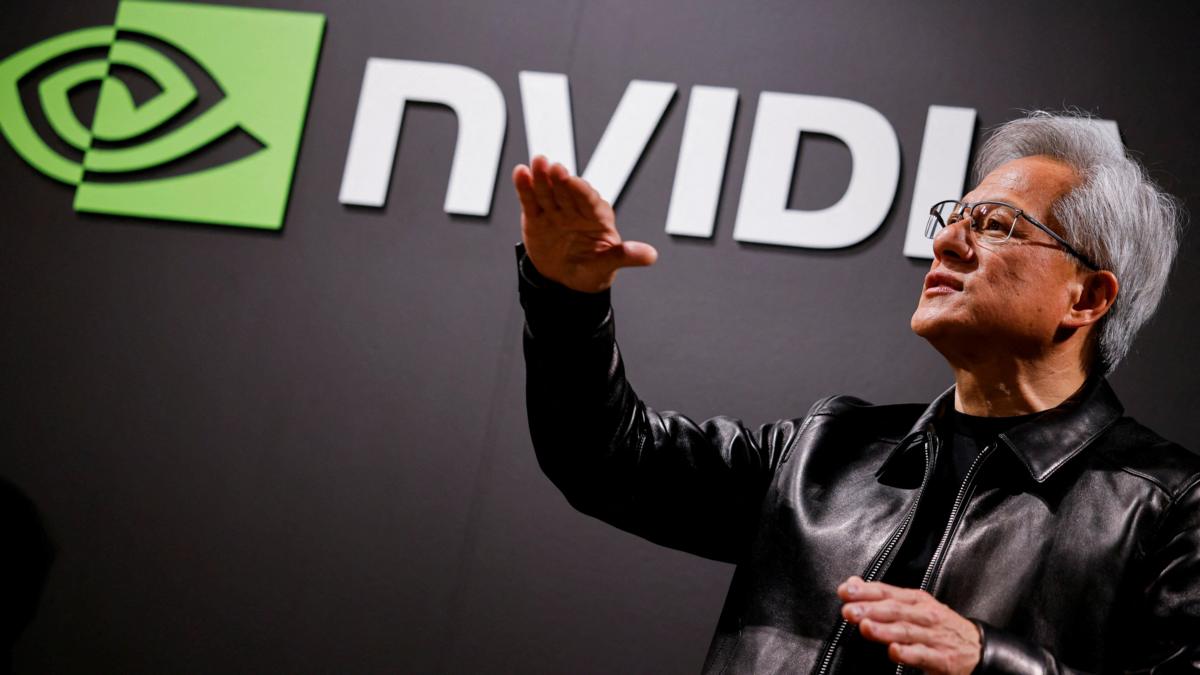
- Jensen Huang defended the scheme on X and business TV, arguing it is not circular financing because it brings "independent, long-term institutional capital" into AI infrastructure rather than Nvidia's own balance sheet.
- Nvidia has already committed billions toward chip buyers including OpenAI, Anthropic, CoreWeave, Nebius, Firmus, and Lambda, while working on another roughly $750 billion in circular deals, per Bloomberg.
- Huang explicitly distinguished the plan from the Lucent Technologies collapse, noting Nvidia is getting others to shoulder the bulk of capital and merely protecting a portion of future chip value.
- Huang cast Nvidia's AI servers as "AI factories" akin to railroads or airlines rather than depreciating PCs, promising a broad ecosystem of secondary users and offtakers to preserve residual chip value.
Why it matters: Nvidia is converting itself into the residual-value guarantor for an entire generation of AI hardware, absorbing up to 25% of any resale shortfall on chips used as loan collateral. That turns the chipmaker into the financial backstop for the AI buildout — with obligations that compound precisely when demand cools, the same dynamic that took down Lucent in the dotcom era.
Ask SkimNews