SpaceX stock has cooled. Hiring for jobs in the space economy hasn't — SkimNews

Get the Finance newsletter
Daily finance — markets, central banks, M&A, the prints that move money. Free.
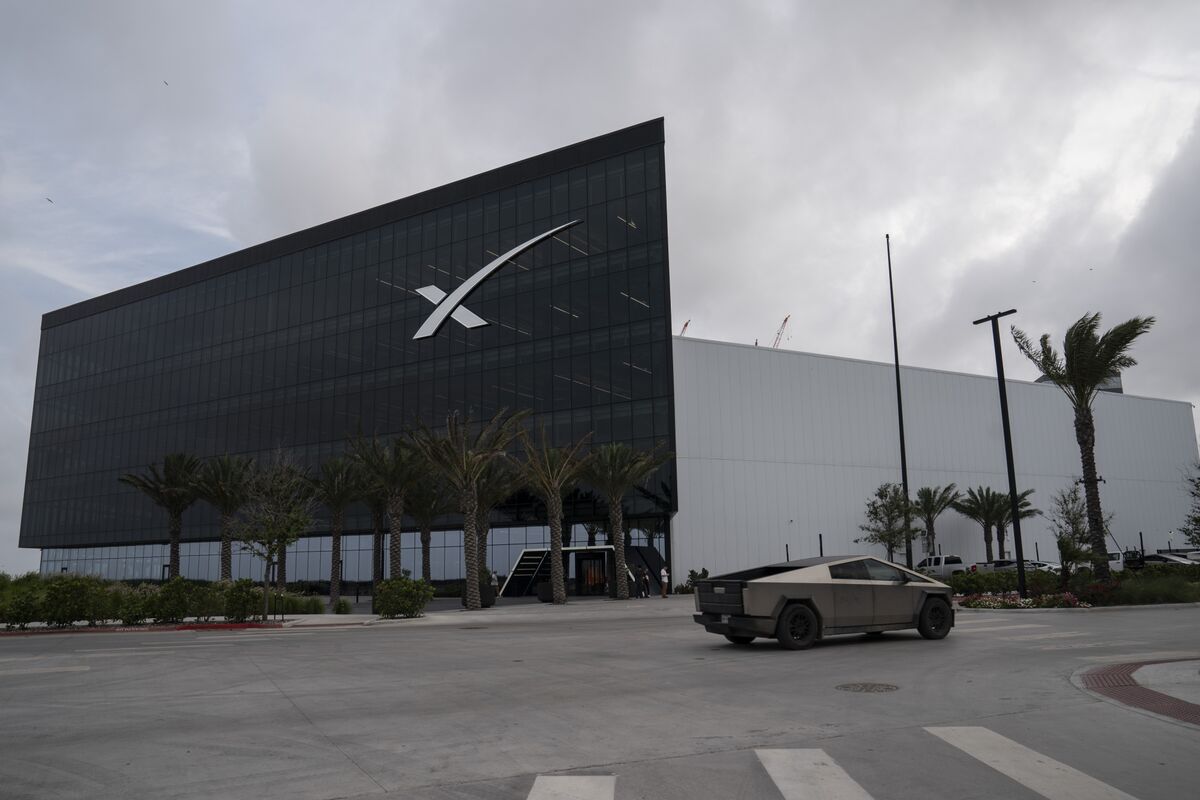
- SpaceX's historic IPO created a $2 trillion company whose shares have since cooled, even as the broader space economy's gross output reached an all-time high of $613 billion in Q2 2025, per the Space Foundation.
- Space-sector employment grew 27% from 2014–2024 versus 14% for total private-sector employment, with private-sector space jobs totaling over 373,000 and the job market alone expanding 18% from 2019 to 2024, according to the Bureau of Economic Analysis.
- Space economy job postings are up more than 40% year-over-year while overall U.S. postings are down about 5%, Revelio Labs' Dean Boerner found, with median salaries in the sector running $100,000 to $135,000.
- The young-worker pipeline is defying national trends: nearly half of new space-economy jobs are filled by workers under 35, a 3% increase in their share of the workforce from 2014 to 2024 even as professional services and media saw declines.
- The labor shortage is acute: the aerospace industry's attrition rate from 2021–2024 sat at nearly 16%, over 10% higher than other industries, and 76% of Aerospace Industries Association members reported sustained engineering hiring challenges, with RTX Corp leading all employers at 12,871 openings and Lockheed Martin at 10,614 (up 5,000+ year-over-year).
- Over half of private-sector space jobs require STEM skills — roughly double the national average — yet only about a quarter of the U.S. workforce has formal STEM training, and just 20% of struggling space companies have developed or expanded training programs, per the AIA/McKinsey report.
- SpaceX's S-1 filing acknowledged the risk directly, warning that intense competition for engineers 'may increase costs and affect our ability to meet development and production timelines,' while early investor Ron Baron told CNBC he expects the company to be valued at a minimum of $20 trillion in 10 years.
Why it matters: The space economy's 9% annual growth and $613 billion valuation are running into a structural STEM bottleneck: 76% of aerospace firms report sustained engineering hiring struggles and attrition runs 16% — more than 10 points above other industries — while only 20% of struggling companies have expanded training programs. With Lockheed Martin alone adding 5,000+ openings year-over-year (now 10,614) and SpaceX warning in its S-1 that talent competition threatens production timelines, the sector's scaling runway is increasingly capped by talent supply, not capital.
Ask SkimNews