Artisan cheese microbes may double as probiotics, study finds
Get the Health newsletter
Daily health & science — research, biotech, public health, the studies worth knowing. Free.
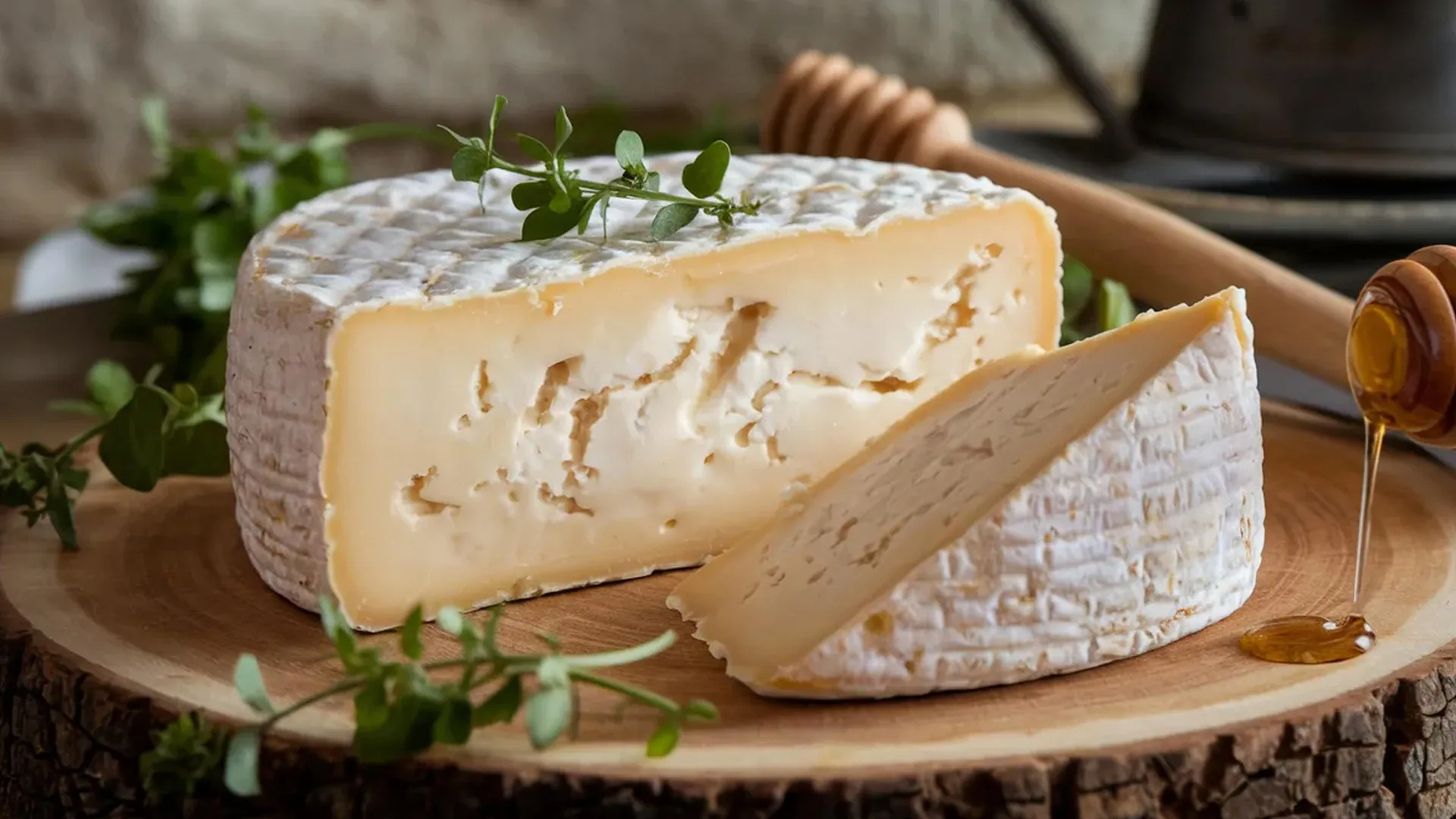
- University of Reading scientists tracked microbial and biochemical changes in three cheeses from Nettlebed Creamery in Oxfordshire — a soft white rind aged just over a week, a washed rind semi-soft aged several weeks, and a semi-hard hay-aged cheese matured about nine months.
- Lead author Sabrina Longley, a PhD researcher who also works as a cheesemaker at Nettlebed Creamery, said the cheese matrix of fats and proteins may help protect beneficial bacteria as they travel through the digestive tract, calling cheese an 'excellent vehicle for delivery of probiotics to the gut.'
- All three cheeses contained bacteria with recognized probiotic potential, including Streptococcus thermophilus — also commonly used as a yogurt starter — which remained dominant in the semi-soft and harder cheeses throughout maturation, and Lactococcus lactis, detected in all three from start to finish.
- The washed rind and hay-aged cheeses also contained Propionibacterium freudenreichii, which produces propionic acid, a compound associated in the study with anti-inflammatory properties, reduced cholesterol synthesis, and appetite regulation.
- The white mold Penicillium candidum on the soft cheese produces chitin, a dietary fiber the researchers say may act as a prebiotic — food for beneficial gut bacteria — giving rind-eaters a potential extra benefit.
- The hay-aged cheese's bacterial species diversity increased nearly four-fold during maturation, from start to finish of its nine-month aging process.
- Lactose was almost entirely absent from all three cheeses once matured, as lactic acid bacteria broke down most of it during fermentation — a finding relevant for people who have difficulty digesting the milk sugar.
- The researchers cautioned that dietary intervention trials are still needed to determine how these bacterial populations behave in the human gut after consumption.
Why it matters: If confirmed in human trials, the finding would give cheese — particularly aged and rind-bearing varieties — a more concrete nutritional angle beyond flavor, giving artisan producers like Nettlebed Creamery a science-backed marketing hook and offering lactose-sensitive consumers a naturally low-lactose option. The work also highlights Propionibacterium freudenreichii and Penicillium candidum as bacterial candidates worth tracking in future probiotic and prebiotic research.
Ask SkimNews