Myanmar Agrees to Take Back 5,000 Rohingya from Malaysia — SkimNews
Get the Geopolitics newsletter
Daily geopolitics — wars, elections, sanctions, the diplomatic moves that move markets. Free.
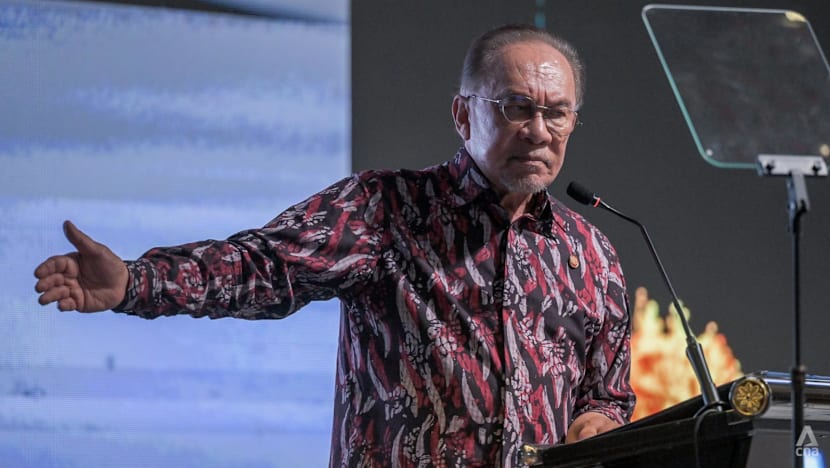
- Myanmar has agreed to take back 5,000 Rohingya refugees from Malaysia, Prime Minister Anwar Ibrahim announced on July 29, reversing Myanmar's previous refusal to accept returnees.
- Anwar Ibrahim credited Malaysia's "good relations with Myanmar" for the breakthrough, telling local media Myanmar had "agreed to take back 5,000 from Malaysia."
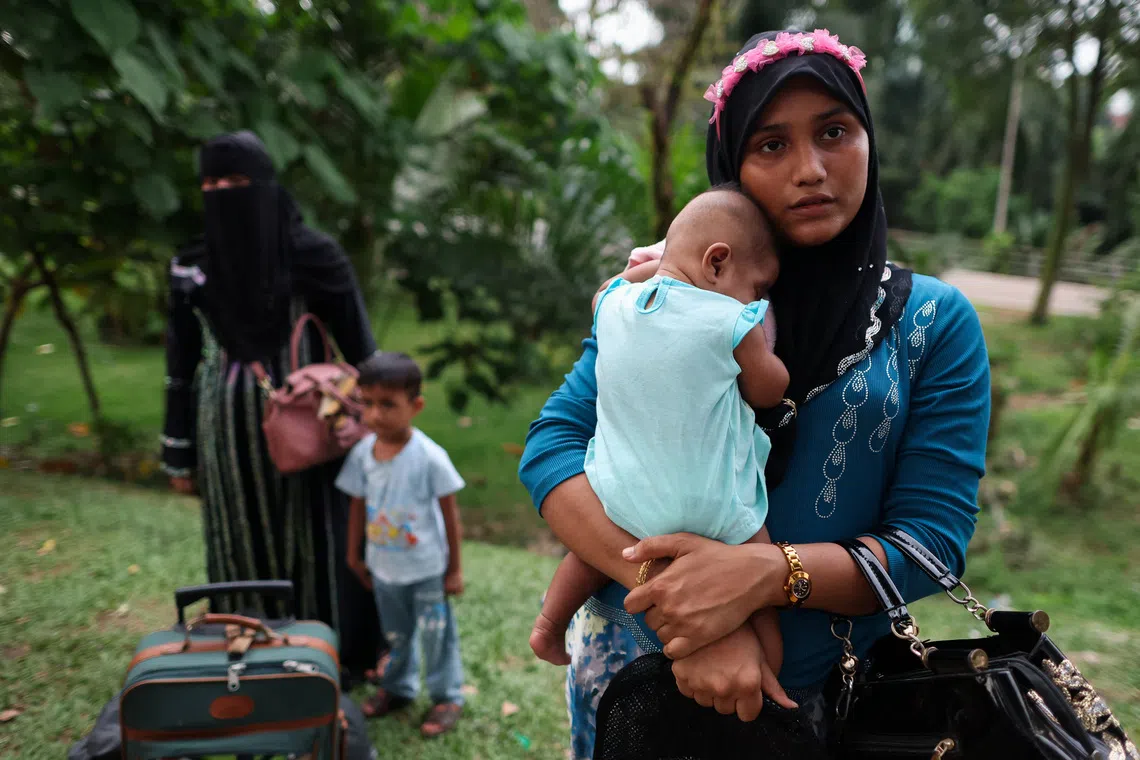
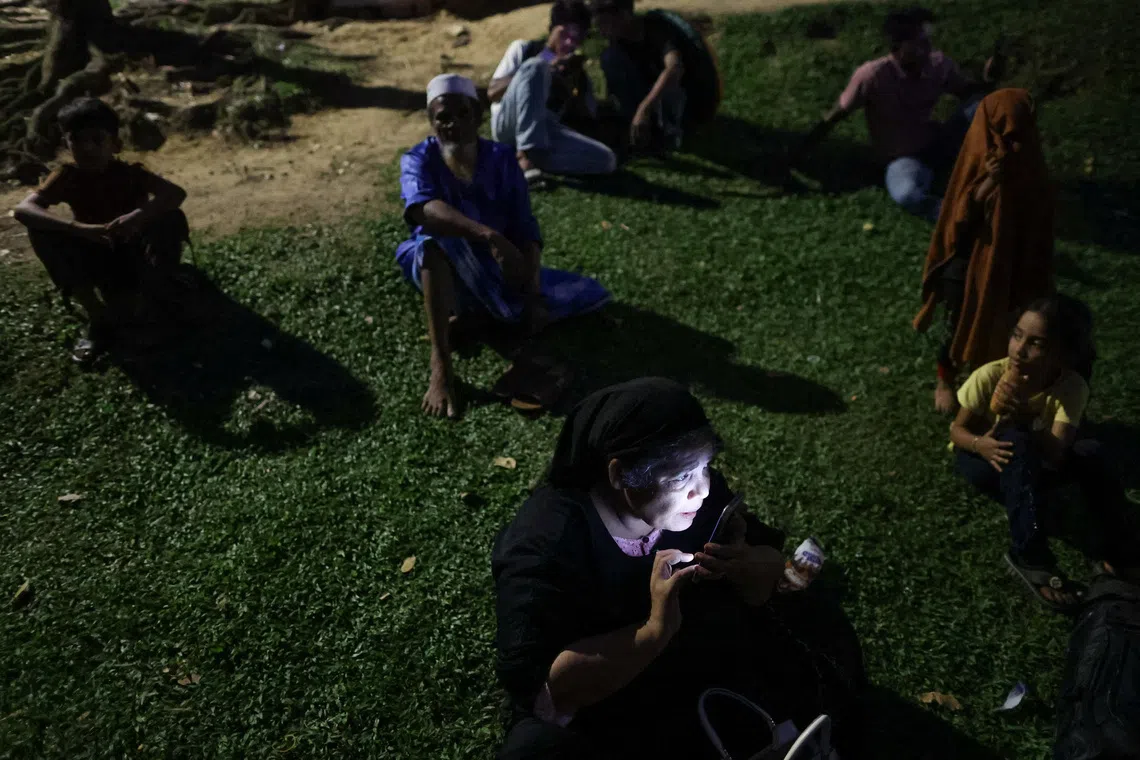
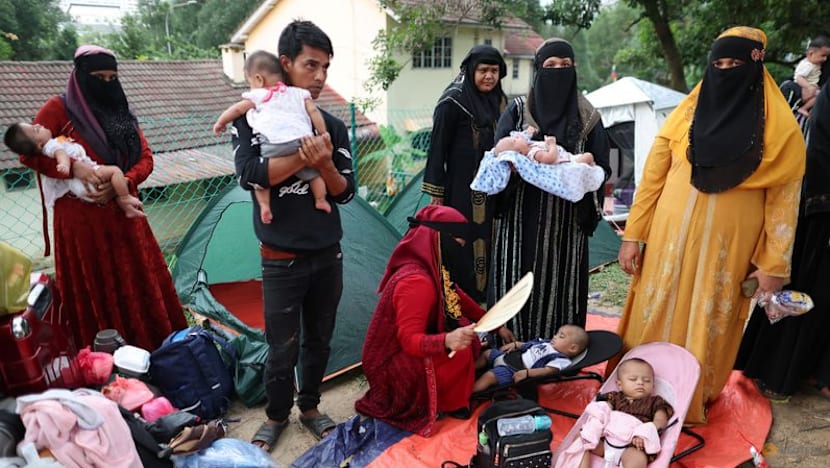
- Malaysian authorities detained more than 100 Rohingya refugees outside a UN refugee agency facility in Kuala Lumpur days before the announcement; officials confirmed the detainees held valid UNHCR documentation and were released after final verification.
- The detained Rohingya had sought shelter at the UNHCR facility after being threatened with eviction from an informal settlement in northern Penang state, a Rohingya rights group in Malaysia said.
- Malaysia hosts more than 215,000 refugees and asylum seekers registered with UNHCR, including over 126,000 Rohingya — its largest refugee community — yet is not a signatory to the 1951 Refugee Convention and does not formally recognise refugee status.
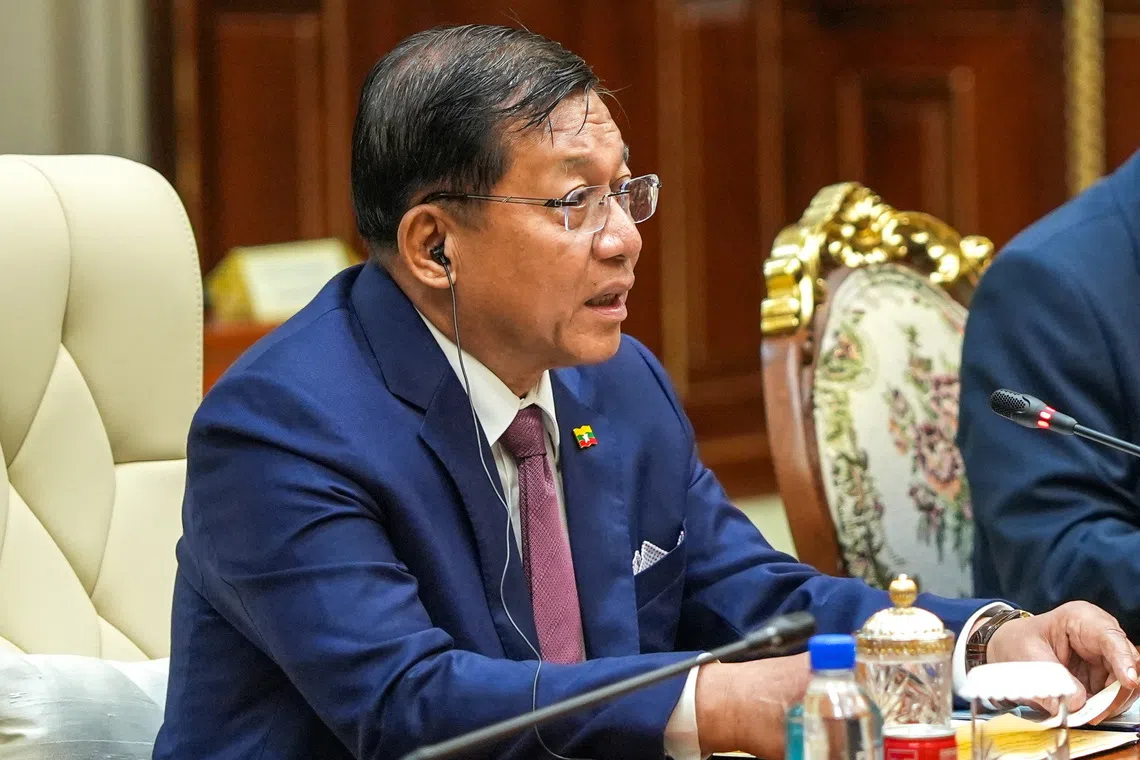
- Myanmar's leaders have previously maintained the Rohingya are ethnic descendants of immigrants from Bangladesh and justified the 2017 military crackdown as targeting a militant uprising; that campaign is the subject of a genocide case at the ICJ in The Hague.
- AFP fact-checkers have documented online disinformation campaigns targeting Rohingya refugees in Malaysia, which rights advocates say are fueling xenophobia and intimidation.
Why it matters: Malaysia is signaling it will repatriate 5,000 Rohingya to Myanmar, where the military's 2017 crackdown is the subject of an ongoing ICJ genocide case — and the announcement follows Malaysia's own detention of Rohingya holding valid UNHCR documents, underscoring the tension between Malaysia's growing repatriation push and its lack of formal refugee recognition under the 1951 Convention.
Ask SkimNews