Minnesota got one thing right on distributed storage — but it missed the bigger opportunity — SkimNews
Get the Energy newsletter
Daily energy & climate — solar, EVs, oil, the policy fights and tech bets shaping the transition. Free.
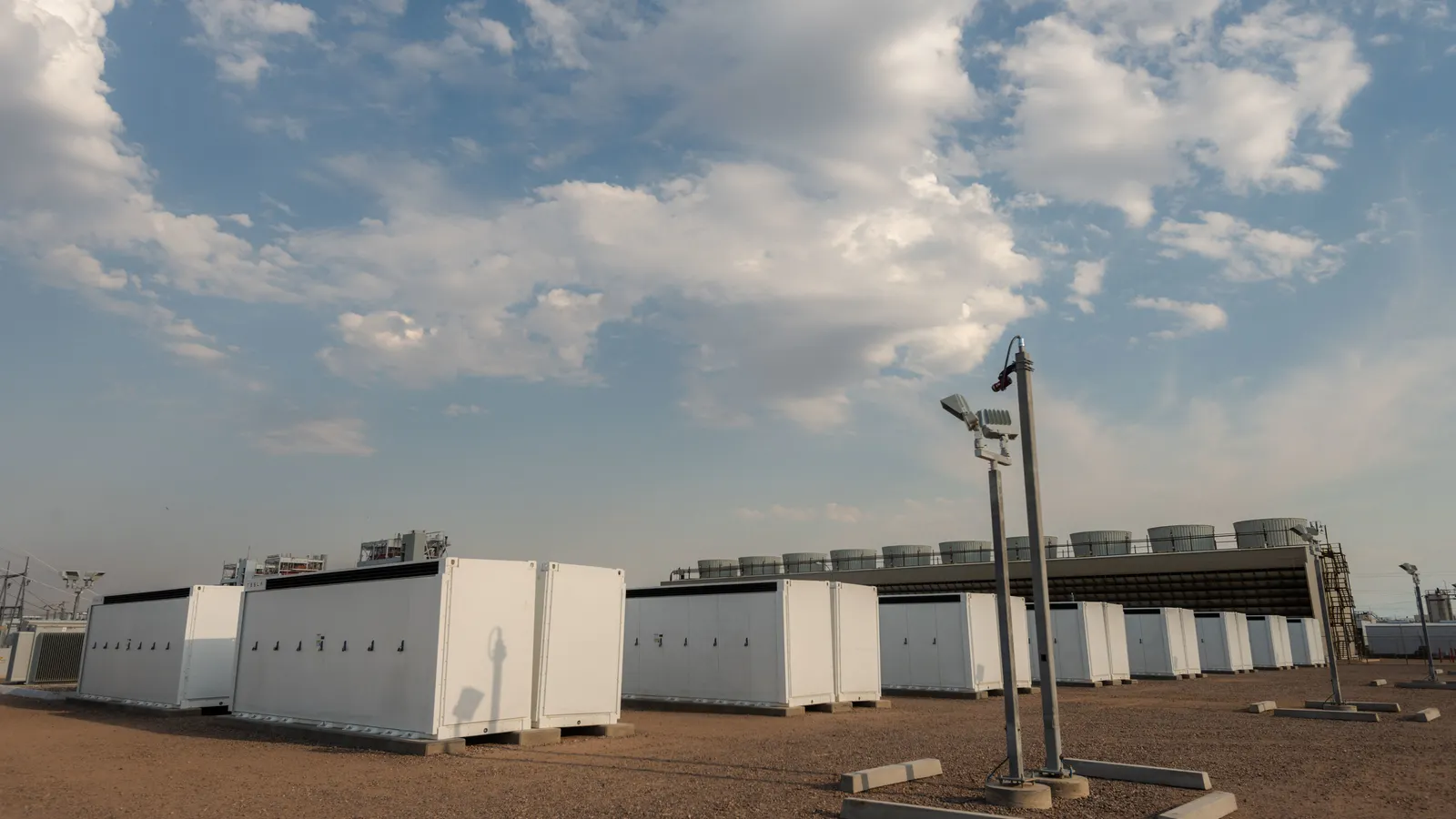
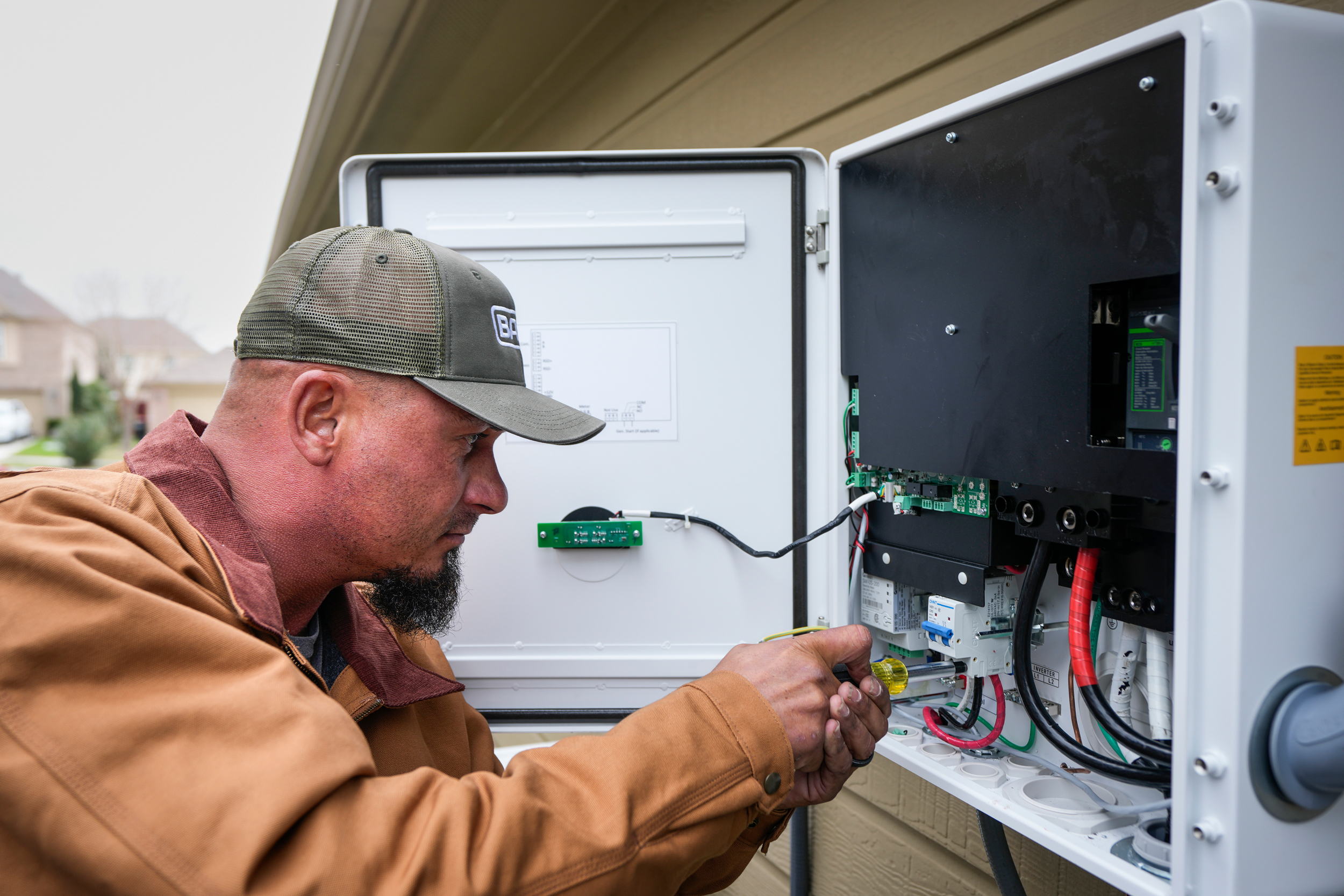
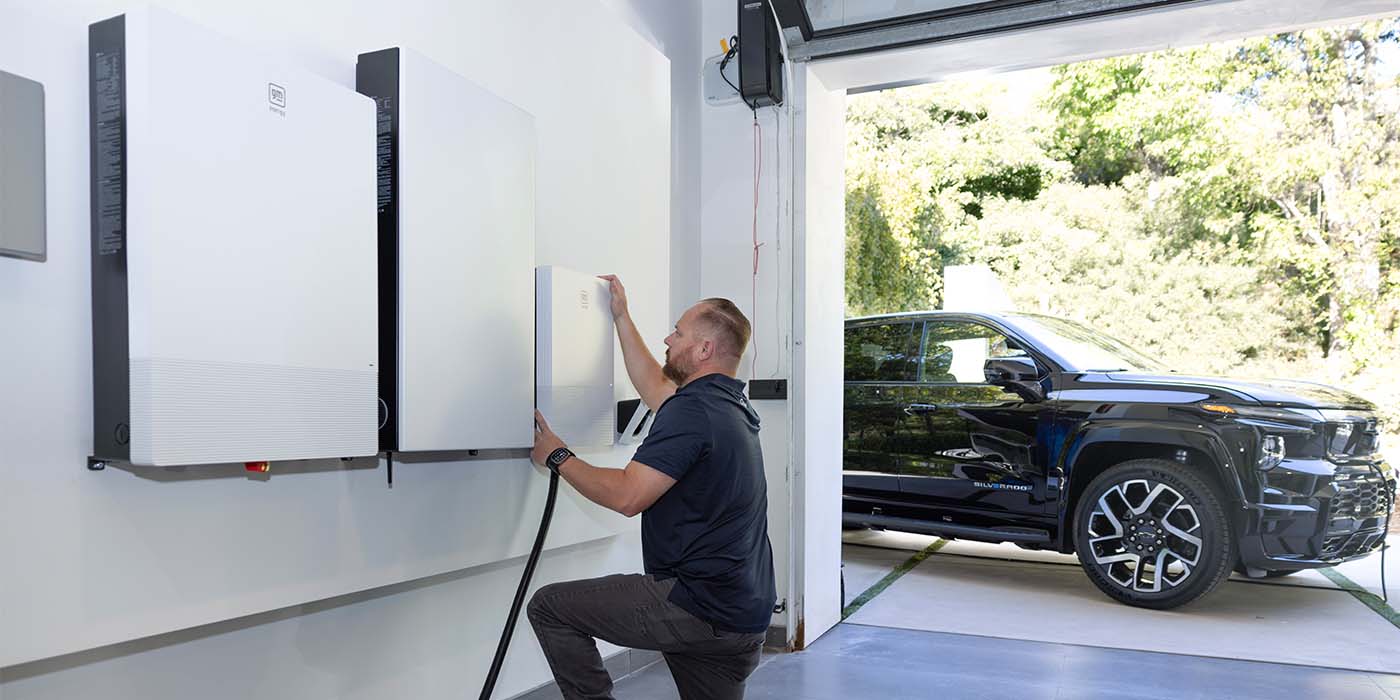
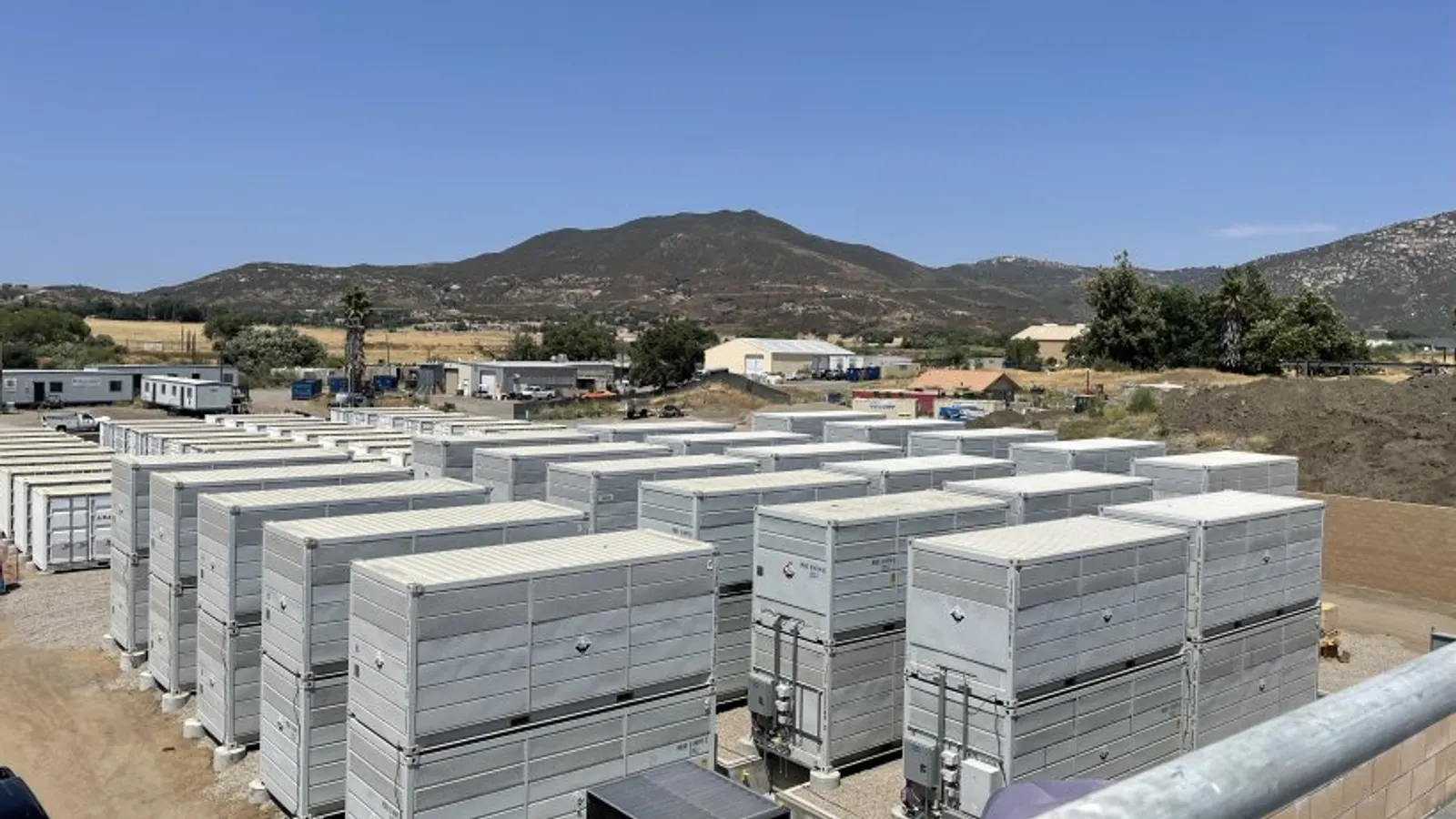
- Minnesota Public Utilities Commission approved Xcel Energy’s Capacity*Connect program, allowing the utility to own and install up to 200 MW of distributed battery storage on its distribution system.
- Xcel Energy will fund the pilot with a $430 million ratepayer‑backed budget spread over roughly five years.
- Coalition for Community Solar Access and other industry groups raised concerns about the program’s design, urging broader, competitive deployment.
- Department of Energy estimates virtual power plants could reach 80‑160 GW by 2030, highlighting the gap between the approved 200 MW pilot and national capacity needs.
- Rewiring America projects that targeted distributed resources could free up over 100 GW of grid capacity in the next five years, underscoring the missed opportunity.
Why it matters: Ratepayers fund $430 M for Xcel’s 200 MW battery pilot, giving the utility a monopoly foothold while the state misses a chance to unlock the 100 GW+ distributed capacity needed to curb future electric‑bill spikes.
Ask SkimNews