Fed Dissent: Three Officials Push for Rate Hikes Now — SkimNews

Get the Finance newsletter
Daily finance — markets, central banks, M&A, the prints that move money. Free.
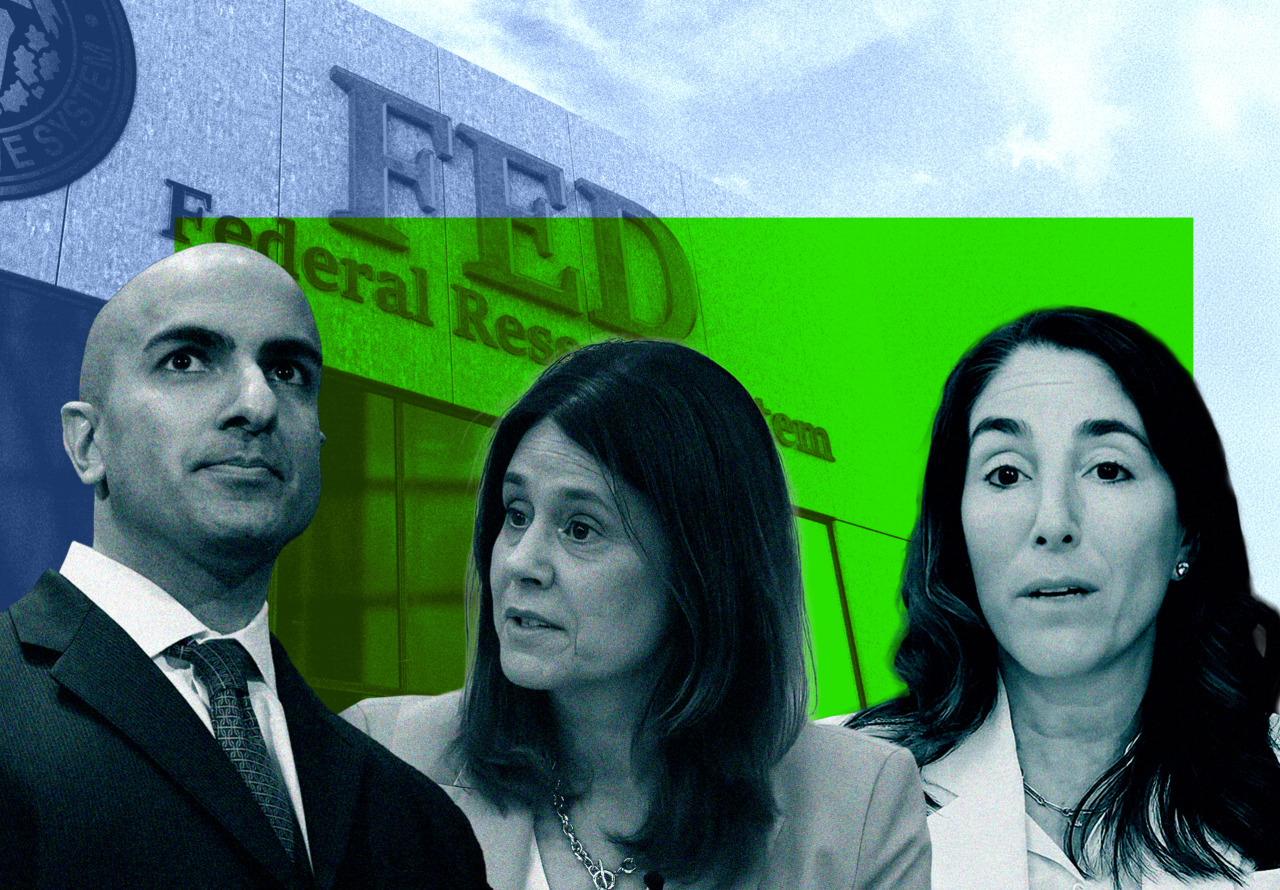
- Beth Hammack, Neel Kashkari, and Lorie Logan dissented against the FOMC's decision to hold the key overnight borrowing rate in a 3.5%-3.75% range, while the other nine voting members backed the hold.
- Hammack (Cleveland Fed) said the FOMC should act now to return PCE inflation to the 2% target, warning persistent inflation becomes "more challenging and costly" to reverse.
- Kashkari (Minneapolis Fed) argued a "potential series of small policy moves" would beat waiting for "even bolder actions," invoking the Fed's past missteps of dismissing inflation as "transitory" in the 1970s and during COVID.
- Logan (Dallas Fed) said labor, consumption, and financial market conditions show monetary policy "is not restraining the economy," and the Fed cannot rely on an "unanticipated shock" to cool inflation.
- Rates have been held steady all year after three cuts in late 2025, but inflation has remained above the 2% target for over five years and spiked again following the Iran war and President Donald Trump's tariffs.
- Fed Chair Kevin Warsh, who voted for the hold, said "five-plus years of inflation above target cannot be cured in nine weeks — or by a single month of modest price decreases."
- Hammack said her Cleveland-area constituents describe "pricing pressures as broadening rather than fading, and consumers are expressing despair over persistently higher prices."
Why it matters: Three regional Fed presidents broke from the majority to argue for preemptive rate hikes, with inflation above the 2% target for five-plus years and energy costs rising again after a June reprieve. The public dissent pressures Fed Chair Warsh, who voted hold while acknowledging inflation "cannot be cured in nine weeks."
Ask SkimNews