Hegseth Slams Anthropic for Disabling Pentagon Models — SkimNews

Get the Tech newsletter
Daily tech — startups, AI labs, chips, the launches that shape the next decade. Free.
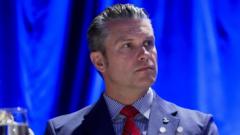
- Pete Hegseth wrote on X that "Three months ago, @DeptofWar kicked @AnthropicAI out of our building—forever. Every passing day proves why that was the right move," intensifying a clash that began when he designated Anthropic a "supply chain risk" and banned its Claude chatbot from the Pentagon earlier this year.
- Anthropic disabled access to its Fable 5 and Mythos 5 models for all customers on Friday after the Trump administration issued an export control directive ordering it to "suspend all access" by foreign nationals, with the company stating the order came after authorities discovered a "jailbreaking" technique for Fable 5.
- Anthropic said the vulnerabilities identified through the bypass were "relatively simple" and that other publicly-available models can discover them "without requiring a bypass," arguing the directive was unnecessary.
- A source close to Anthropic told The Hill the administration gave the company only 90 minutes to pull Fable 5 on Friday, with Amodei and senior personnel reaching out to the White House within 15 minutes but receiving no details about the national security rationale.
- Anthropic warned the latest directive would "essentially halt all new model deployments for all frontier model providers" across the industry, even as the company—reportedly pursuing a $1 trillion IPO later this year—said it is eager to resolve the dispute.
- Dario Amodei had earlier backed Trump's executive order on voluntary pre-release AI model testing and proposed mandatory third-party auditing for risks including cybersecurity, biological weapons, and loss of AI control.
- David Sacks, who served as Trump's special adviser on AI and crypto from January 2025 until March, said Saturday that Anthropic's response "is very much at odds with their branding and ethos as a safe AI research" firm.
Why it matters: Anthropic, which is pursuing a potential $1 trillion IPO, is now fighting the administration on two fronts—an ongoing lawsuit over its "supply chain risk" designation and a sudden 90-minute directive that forced it to disable two frontier models. The company's claim that other public models can find the same vulnerabilities undercuts the national security rationale, while its warning of industry-wide deployment halts raises the stakes beyond one company.
Ask SkimNews