GRU's 20th Directorate Steals Japanese Tech From Tokyo — SkimNews
Get the Geopolitics newsletter
Daily geopolitics — wars, elections, sanctions, the diplomatic moves that move markets. Free.
- The GRU's 20th Directorate runs a previously undisclosed spy operation in Tokyo, led by Maksim Vladimirovich Filchenkov, a veteran officer who poses as an Aeroflot employee while buying or stealing battlefield technology for Russia's missile and drone production, according to current and former officials at five Western intelligence agencies.
- Japan has become a critical hub for Russian espionage since the 2022 Western expulsions, with Ukrainian government estimates finding that about 90% of Russian missiles and drones contain Japanese components.
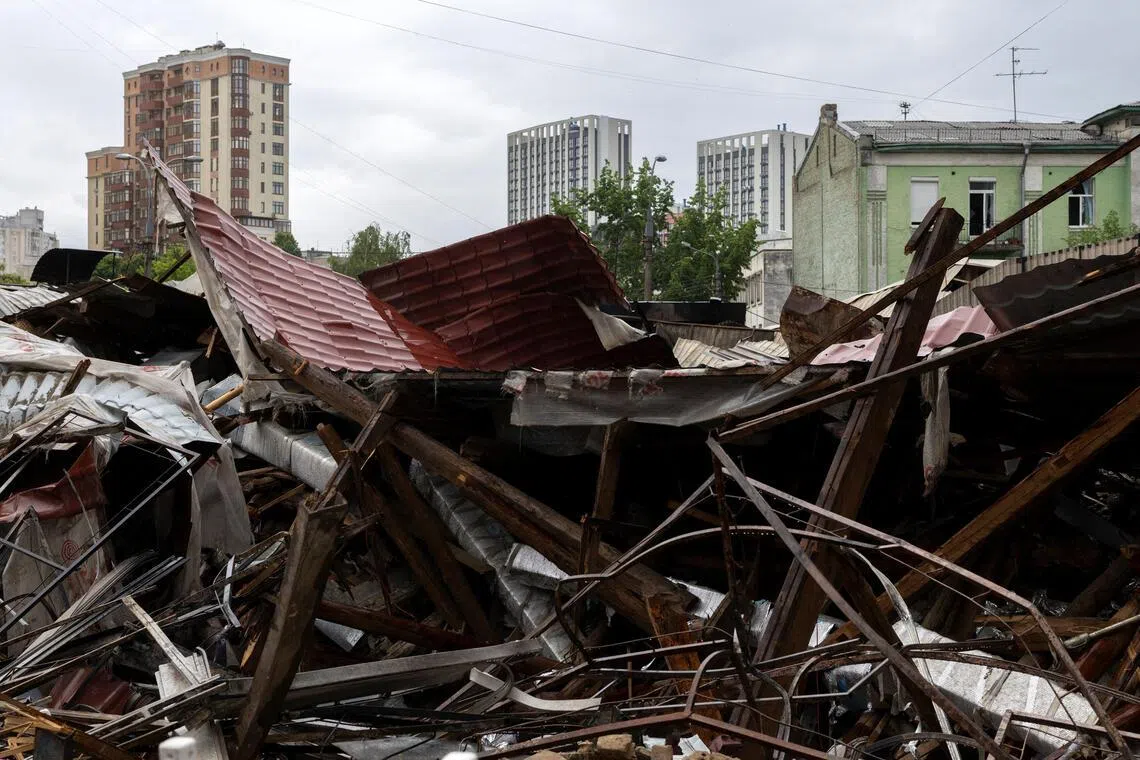
- A Russian Kh-101 cruise missile that destroyed a Kyiv residential tower block in May and killed at least 24 people was found by Ukrainian investigators to have been guided by Japanese components that are widely banned from export to Russia.
- Ukraine sent roughly 16 diplomatic notes to Japan's Foreign Ministry in 2025, eight of them in April alone, presenting evidence of Japanese-made circuit boards, transmitters, and semiconductors recovered from Russian weapons manufactured by companies including NEC, Panasonic, and Toshiba.
- Proco Air, an Aeroflot partner advertising as a 'bridge between Japan and Russia,' rents cargo space on airlines to Sri Lanka and Uzbekistan where Aeroflot picks up shipments; its Japanese owner Takehiko Miki asked a Chinese associate in 2025 for help shipping items he acknowledged were prohibited from going to Russia, though he denied wrongdoing and said Japanese authorities had never contacted him.
- Japan's post-World War II legal framework leaves the country without a foreign intelligence agency, and lawmaker Akihisa Shiozaki acknowledged 'a sense of crisis' while Japanese authorities continued moving slowly on export controls and counter-espionage.
Why it matters: Japan's weak espionage laws, designed by post-WWII victors to constrain its intelligence services, have turned it into the world's most important back door for banned technology reaching Russia's war machine, with Japanese components found in missiles that killed dozens of Ukrainian civilians. Despite at least 16 diplomatic warnings from Ukraine in 2025 and an acknowledged 'sense of crisis' inside Tokyo, Japan has not meaningfully tightened enforcement—meaning every missile and drone shot assembled from Japanese parts represents a policy gap between Tokyo's stated support for Ukraine and its actual export-control regime.
Ask SkimNews


