Ukraine Drone Firms Court Japan, Taiwan as Asia Rearms — SkimNews
Get the Geopolitics newsletter
Daily geopolitics — wars, elections, sanctions, the diplomatic moves that move markets. Free.
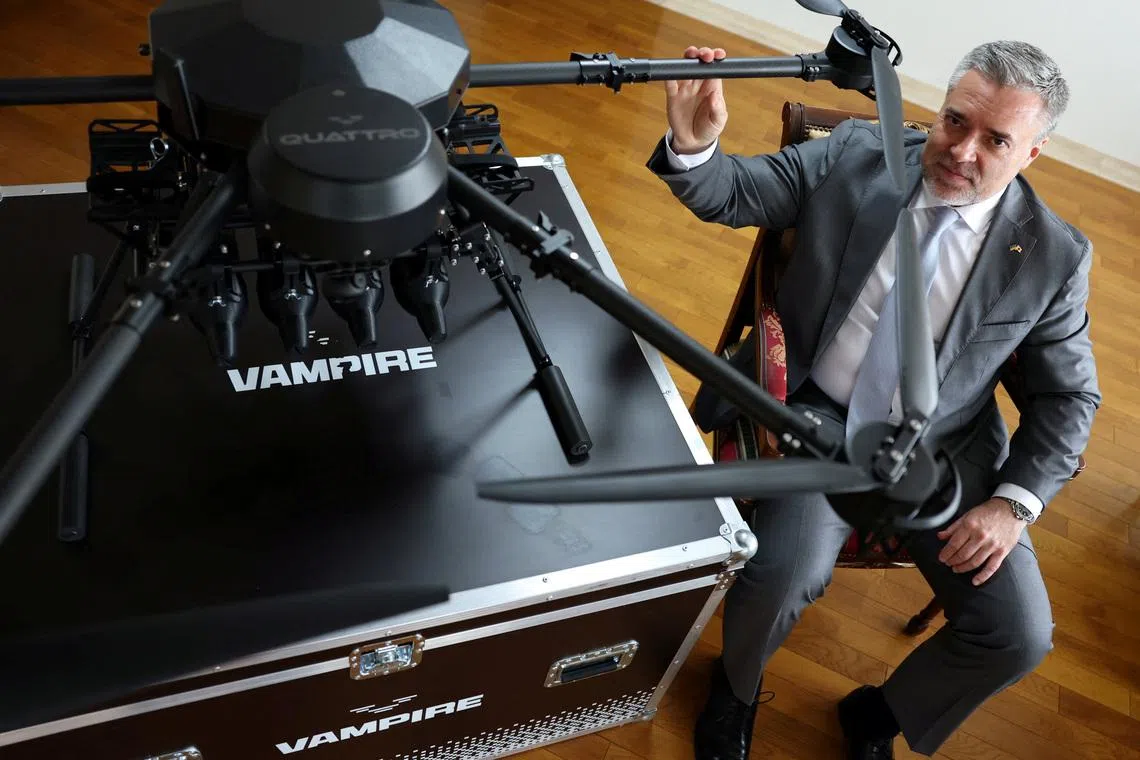
- UFORCE CEO Oleg Rogynskyy flew to Tokyo in April to pitch Japanese officials on building thousands of his firm's attack drones, days after US troops used UFORCE waterborne drones to sink a ship in an exercise off Itbayat, Philippines — 161km south of Taiwan.
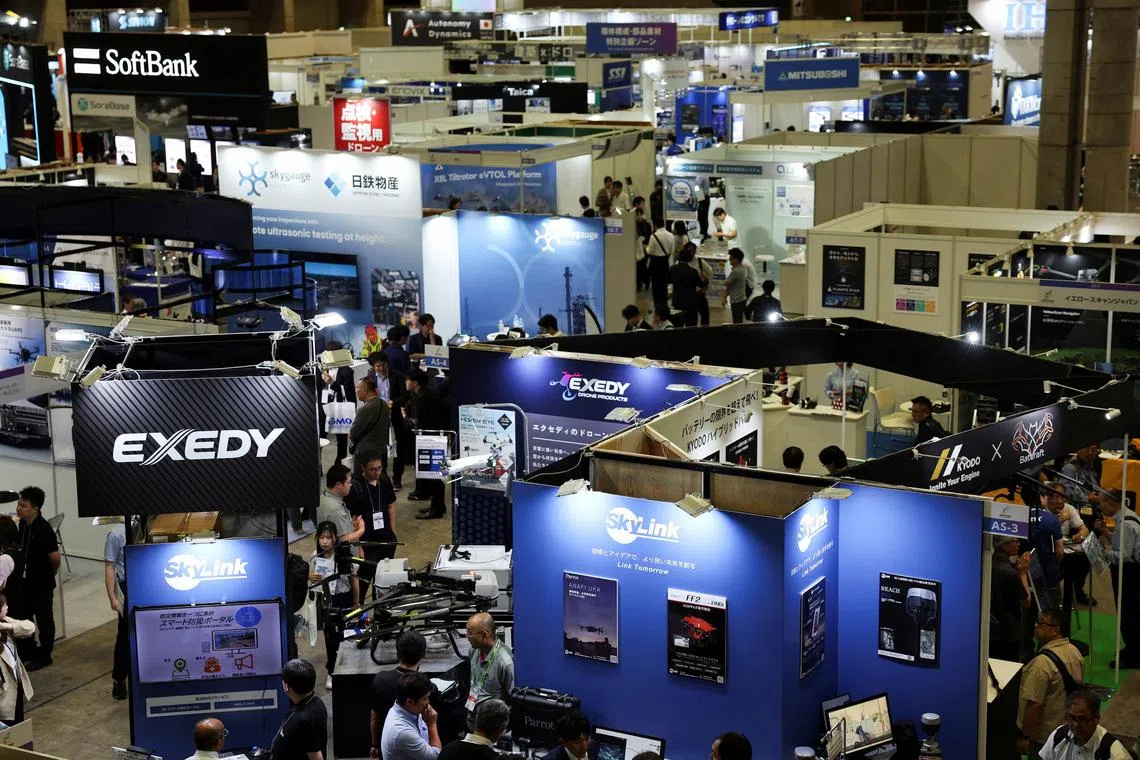
- Japan in 2026 dropped longstanding arms-export restrictions, allocated nearly US$2 billion for drone systems in its 2026 defense budget, and is targeting 80,000 drones produced annually by decade's end — up from roughly 1,000 manufactured in 2024.
- Ukraine is aiming to build 7 million drones in 2026, positioning itself as an export powerhouse; Japanese Prime Minister Sanae Takaichi has urged domestic firms to ramp up weapons output including unmanned systems since taking power in late 2025.
- Skyeton, General Cherry, and Swarmer are also seeking Japanese production partners, with Swarmer running a previously unreported AI drone-swarm demonstration for a unit of Japan's military in late April, arranged by Rakuten founder Hiroshi Mikitani.
- Ukrainian drone firms are also exploring Taiwan business, but are treading carefully because Kyiv has no formal diplomatic ties with Taipei; a May delegation from the IRON drone association met Taiwanese parts suppliers in Taichung, including Jiin Ming Industry, which is co-developing a drone that may be sold back to Taiwan.
- Ukraine's ambassador to the Philippines, Yuliia Fediv, told Reuters Kyiv is in discussions with Manila on drone cooperation, and any drones sold to the Philippines would likely be manufactured in Japan to leverage superior production expertise.
Why it matters: Asia is now spending concretely: Japan alone has earmarked nearly US$2 billion for drones in 2026 and plans an 80x increase in annual production (from 1,000 to 80,000 by 2030), and Ukraine — aiming for 7 million drones this year — is converting its wartime drone lead into defense-export deals with Japan, Taiwan, and the Philippines, all of which are racing to deter China. Kyiv gains diplomatic leverage and a non-Chinese component supply chain; Tokyo and Taipei gain access to combat-proven systems at a moment when Takaichi has warned Japan could be dragged into a Taiwan conflict.
Ask SkimNews