Tens of thousands evacuated from French tourist spot and near Madrid as wildfires spread — SkimNews

Get the Energy newsletter
Daily energy & climate — solar, EVs, oil, the policy fights and tech bets shaping the transition. Free.
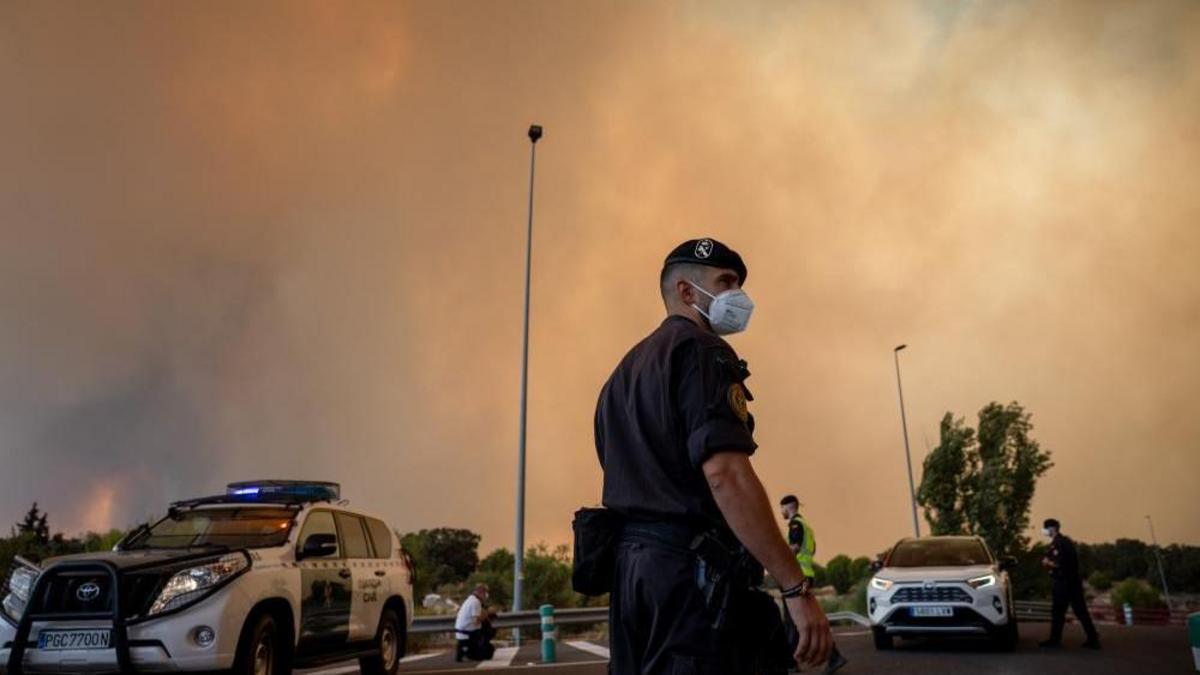
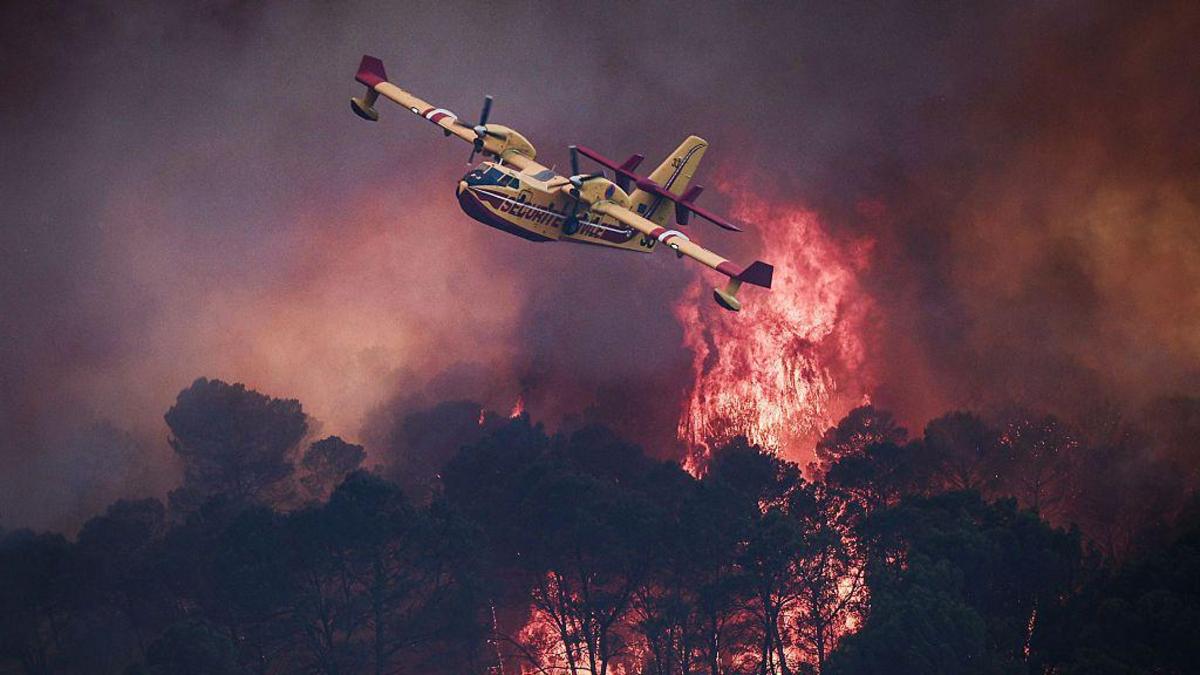
- French authorities ordered the full evacuation of the Cap Ferret peninsula in Gironde, with Interior Minister Laurent Nuñez saying 40,000 people were being moved and 10,000 hectares had burned in what the local prefect called an "XXL fire," destroying 53 homes and a campsite.
- A second blaze near Biscarrosse in France's Landes region forced evacuations of more than 23,000 people (18,000 in Biscarrosse, 5,000 in Parentis-en-Born), destroying 105 homes and buildings amid 36–37°C heat and 50 km/h winds, according to Landes prefect Gilles Clavreul.
- Spain's Interior Minister Fernando Grande-Marlaska declared a national emergency as fires near Madrid (Villa del Prado, San Martín de Valdeiglesias) and at Burgohondo in Ávila burned 9,000 hectares in Ávila and 3,000 in Madrid, prompting evacuations of more than 19,000 people from three towns west of the capital.
- Fire and rescue chief Marc Vermeulen said the Gironde fires were spreading at night at 800–1,000 hectares per hour — a sharp contrast to 2022, when overnight conditions had favored firefighting efforts.
- Two firefighters died Tuesday battling a blaze near Bordeaux airport, and French President Emmanuel Macron called the wildfire situation "very tense" while Madrid region president Isabel Díaz Ayuso called her fires "the worst in the history of the region."
- The European Union dispatched three planes and two helicopters to France and four planes to Spain, as the EU's Copernicus Climate Change Service noted Europe is the fastest-warming continent, heating at more than twice the global average since the 1980s.
Why it matters: More than 80,000 people have been evacuated across France and Spain in a single day, with two firefighters already dead and Spain forced to declare a national emergency — a scale that has triggered EU cross-border aerial assistance. The fire chief's warning that flames are now propagating at 800–1,000 hectares per hour at midnight reverses the 2022 pattern in which nighttime cooling had helped crews, signaling a more dangerous fire behavior regime for southern Europe.
Ask SkimNews