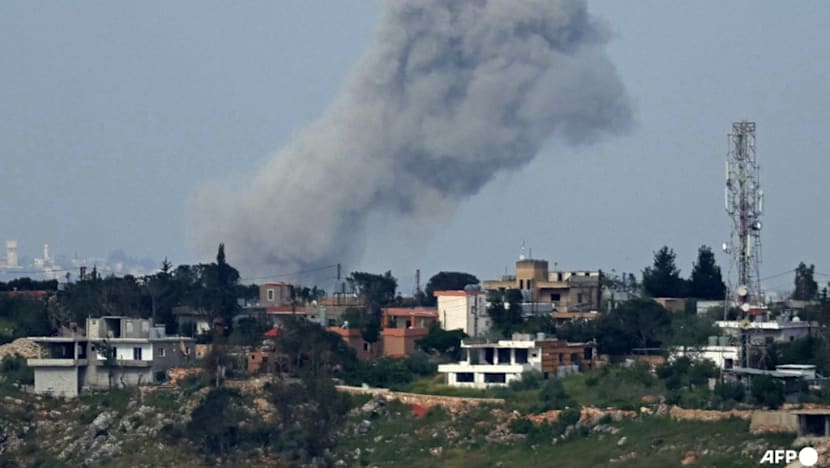
Israel strikes south Lebanon, first evacuation in weeks
Get the Geopolitics newsletter
Daily geopolitics — wars, elections, sanctions, the diplomatic moves that move markets. Free.
- Israeli military struck southern Lebanon, killing one person and injuring 12 when the roof of a prayer hall at Tibnin's cemetery was hit, accusing Hezbollah of a "blatant violation" of the ceasefire with no further details provided.
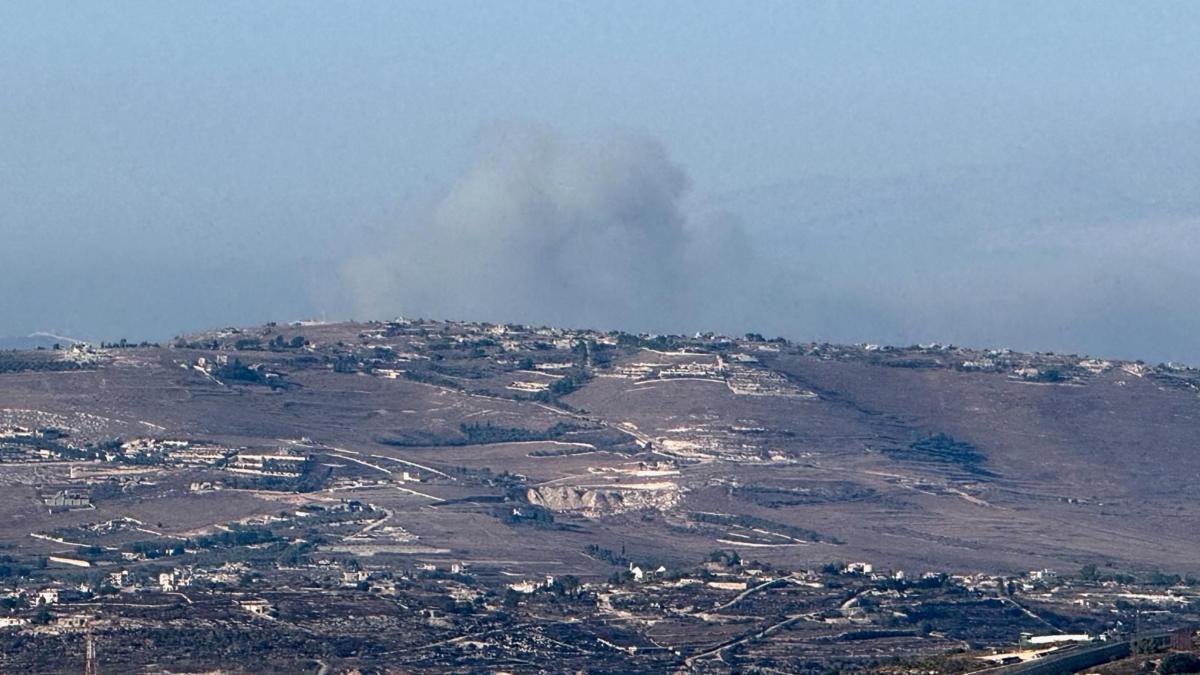
- Israel issued its first evacuation warning for southern Lebanon in over a month, ordering residents of Mansouri to flee before strikes hit the town's Ghazaleh neighbourhood, causing extensive damage to buildings and villas.
- An Israeli military source said displaced residents had returned to Mansouri "under the auspices of the Lebanese army, which established a checkpoint in the area in violation of the agreements" — inside the Israeli-declared "security zone," a 10km-deep strip of occupied Lebanese territory along the border.
- The strikes came as Israeli and Lebanese officials attended US-sponsored talks in Rome aimed at maintaining the ceasefire, under a late-June trilateral framework requiring Israel's gradual withdrawal from southern Lebanon in exchange for Hezbollah's disarmament.
- Hezbollah has publicly rejected the agreement, saying the provisions linking Israel's withdrawal to the group's disarmament crossed "all red lines," and has not commented on the latest strikes.
- The UN said over 820,000 people displaced by the conflict began returning home after hostilities eased, but roughly 360,000 remain displaced across Lebanon, including 26,000 living in government shelters.
- Since the ceasefire, Lebanon's health ministry has recorded 353 people killed, bringing total conflict deaths to 4,333, including 392 women and 253 children.
Why it matters: Israel's first evacuation warning in over a month landed during US-sponsored Rome talks to preserve the ceasefire, exposing the fragility of a trilateral framework Hezbollah has publicly rejected. With 360,000 Lebanese still displaced and 353 killed since the truce, the dispute over who decides what counts as a ceasefire violation — Lebanon's army facilitating civilian returns or Hezbollah activity — has no agreed arbiter.