Russian president signs crypto law, core rules take effect in 2026 — SkimNews

Get the Finance newsletter
Daily finance — markets, central banks, M&A, the prints that move money. Free.
- Vladimir Putin signed bill No. 1194918-8, "On Digital Currencies and Digital Rights," into law on Tuesday, per official State Duma records, creating Russia's first regulated framework for cryptocurrency markets.
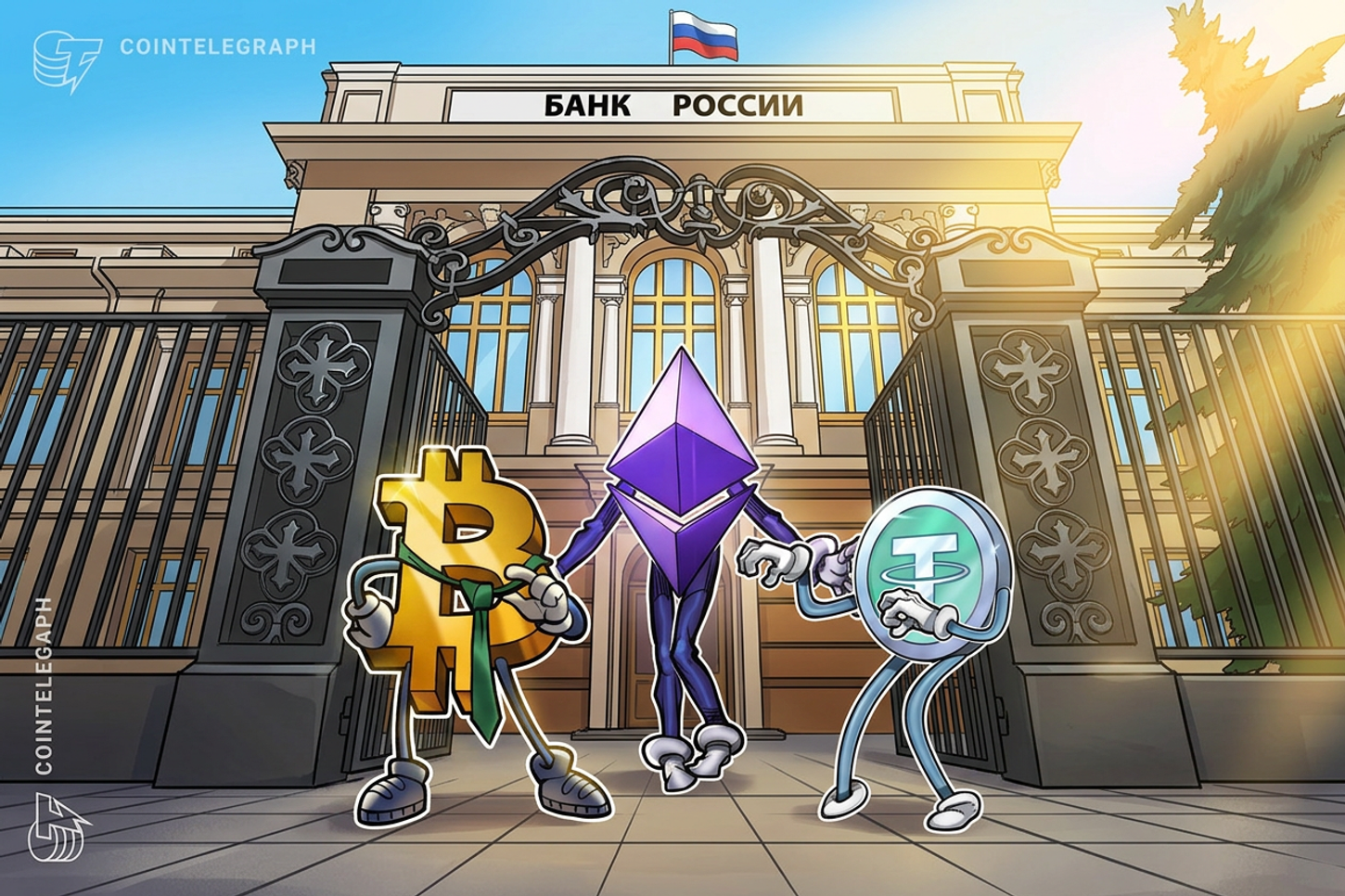
- The law requires crypto exchange operators to meet regulatory requirements and join a financial market self-regulatory organization, with the Bank of Russia tasked to oversee the market, issue rules, and determine which assets licensed intermediaries can offer.
- Retail investors are limited to buying approved crypto assets through intermediaries, capped at 300,000 rubles ($3,700) per intermediary annually, while qualified investors face no such restrictions on the cryptocurrencies they can purchase.
- Core provisions of the law take effect September 1, 2026, with additional measures including rules for non-resident digital depositories taking effect July 1, 2027.
- The legislation maintains Russia's existing ban on using crypto assets as payment for goods and services inside the country, separating digital currencies from everyday commerce.
- The State Duma approved the bill after final readings in late July before it reached Putin's desk for signature.
Why it matters: Russia is moving crypto from a gray zone into a formally regulated market overseen by the central bank, with retail participation funneled through licensed intermediaries and capped at $3,700 per year — a sharp constraint that channels ordinary Russians toward approved assets while leaving qualified investors unrestricted from September 2026 onward.
Ask SkimNews