Cancer-Fueling PPARD Slowed Tumors in Immune Cells — SkimNews

Get the Health newsletter
Daily health & science — research, biotech, public health, the studies worth knowing. Free.
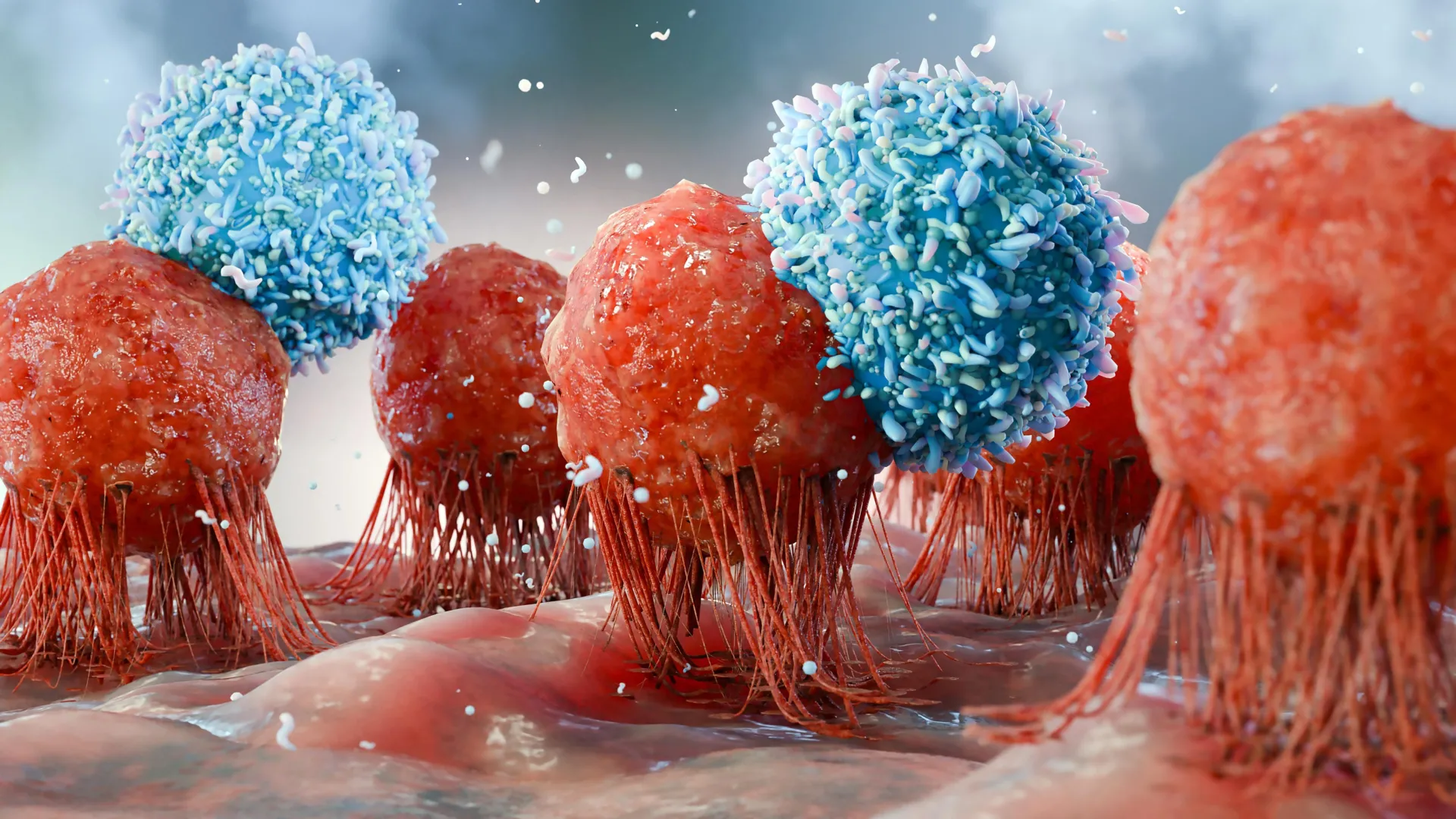
- Cold Spring Harbor Laboratory researchers found that activating the PPARD protein in immune cells slowed or stopped tumor growth in lab models of colorectal, breast, ovarian, and melanoma cancers.
- PPARD regulates how cells burn fat for energy; activating it in CAR T cells made the engineered immune cells more metabolically fit for attacking tumors, tested across organoids, cell cultures, and mouse models.
- Semir Beyaz, CSHL Assistant Professor and lead author (published in Nature Immunology), hypothesized cancer and immune cells share underlying fitness constraints, comparing PPARD's dual role to "the force" in Star Wars.
- Colorectal cancer, the team's initial focus, has become the leading cause of cancer-related death among people under 50, with limited options when chemotherapy and immunotherapy fail.
- The lab is now investigating whether boosting immune cell fitness with PPARD activation could also treat endometriosis, a chronic inflammatory condition affecting approximately 1 in 10 women.
Why it matters: For colorectal cancer patients under 50—now the leading cancer killer in that age group—current chemotherapy and immunotherapy often fail; this research offers a metabolic angle that could make CAR T cells work where they currently don't, though it remains untested in humans.
Ask SkimNews