Partisan Divide Now Shapes Nearly All US Foreign Policy Views — SkimNews
Get the Geopolitics newsletter
Daily geopolitics — wars, elections, sanctions, the diplomatic moves that move markets. Free.
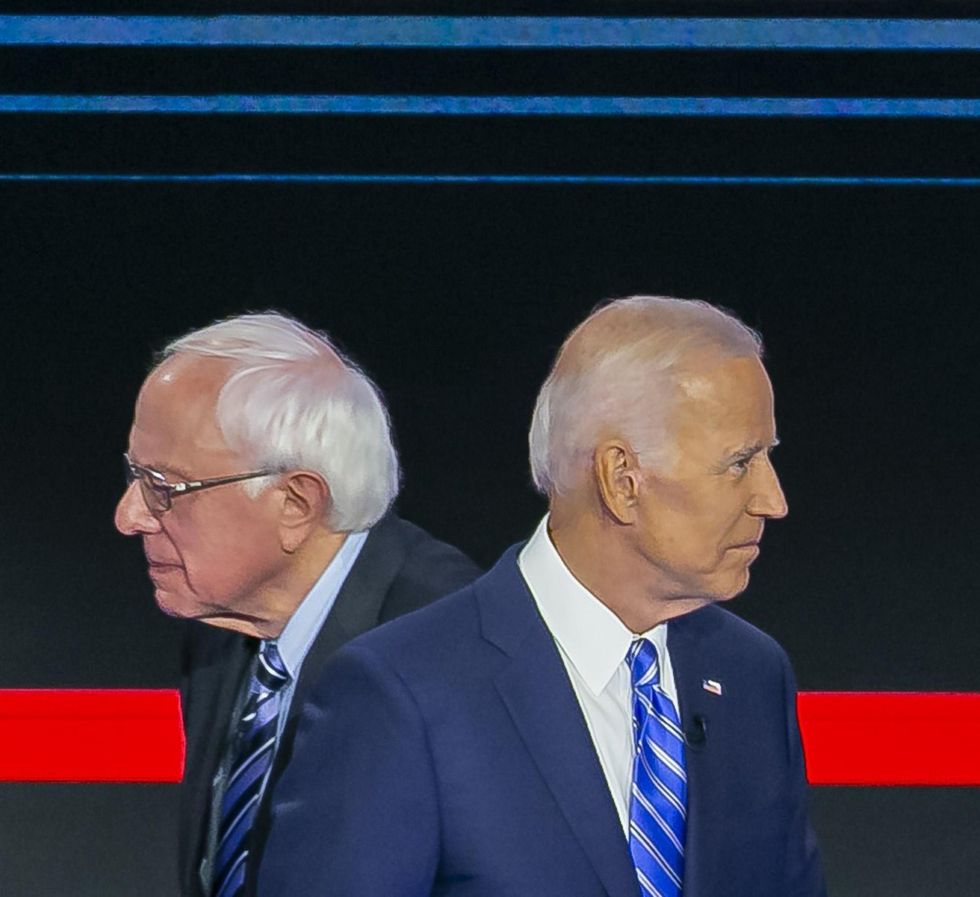
- Chicago Council on Global Affairs has tracked American foreign policy opinion since 1974, and Managing Director Dina Smeltz told Responsible Statecraft that 'more than anything else, partisanship really seems to determine how people view foreign policy strategies' — a shift from the early 1990s, when Americans had far more overlap on foreign policy priorities.
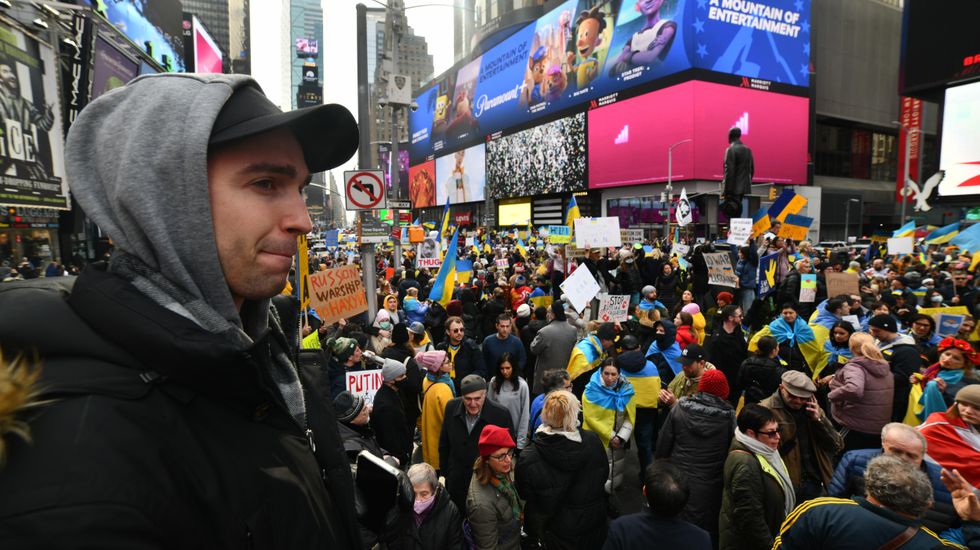
- Russia-Ukraine military aid polling shows a 47-point partisan split by March 2025, with 77% of Democrats supporting U.S. military support versus just 30% of Republicans — a sharp drop from 50% Republican support in 2023, when Sen. JD Vance and other Republicans were already opposing further aid.
- Israel and Palestinian statehood have split sharply along party lines: Republicans rated Israel 59 out of 100 in favorability versus 36 for Democrats, while 63% of Democrats back Palestinian statehood compared to 35% of Republicans — a reversal driven by Democrats peeling away as Benjamin Netanyahu's government moved further right.
- Threat perception has fragmented over 27 years: all-party respondents agreed on six major threats in 1998, still largely agreed in 2008, but in 2025 overlap on just two — international terrorism and government corruption — with Republicans ranking China's rise and Iran nuclear program as top threats, and Democrats prioritizing democracy's erosion and climate change.
- Partisan foreign policy priorities have fully diverged: Republicans prioritize maintaining superior military power and limiting Chinese influence, while Democrats prioritize climate change and renewable energy, though both sides still agree on protecting American jobs and preventing nuclear proliferation.
- Stanford political scientist Morris Fiorina attributes the divide to decades of 'party sorting,' telling RS that 'it's not the voters who are changing so much, it's the parties,' while Northeastern's William Mayer said he does not 'see the partisan gap closing in any significant way soon.'
Why it matters: Smeltz warned that the widening gap makes it harder to 'craft a foreign policy that will be palatable to the majority of Americans' — a structural obstacle affecting every sustained international commitment, from military action in Iran to climate accords to China policy. With both parties now operating from entirely different threat lists and strategic priorities, any long-term foreign policy consensus requires one party to dominate the political landscape rather than persuasion across the aisle.
Ask SkimNews