Wildfire season is changing. Spokane is showing how. — SkimNews
Get the Energy newsletter
Daily energy & climate — solar, EVs, oil, the policy fights and tech bets shaping the transition. Free.
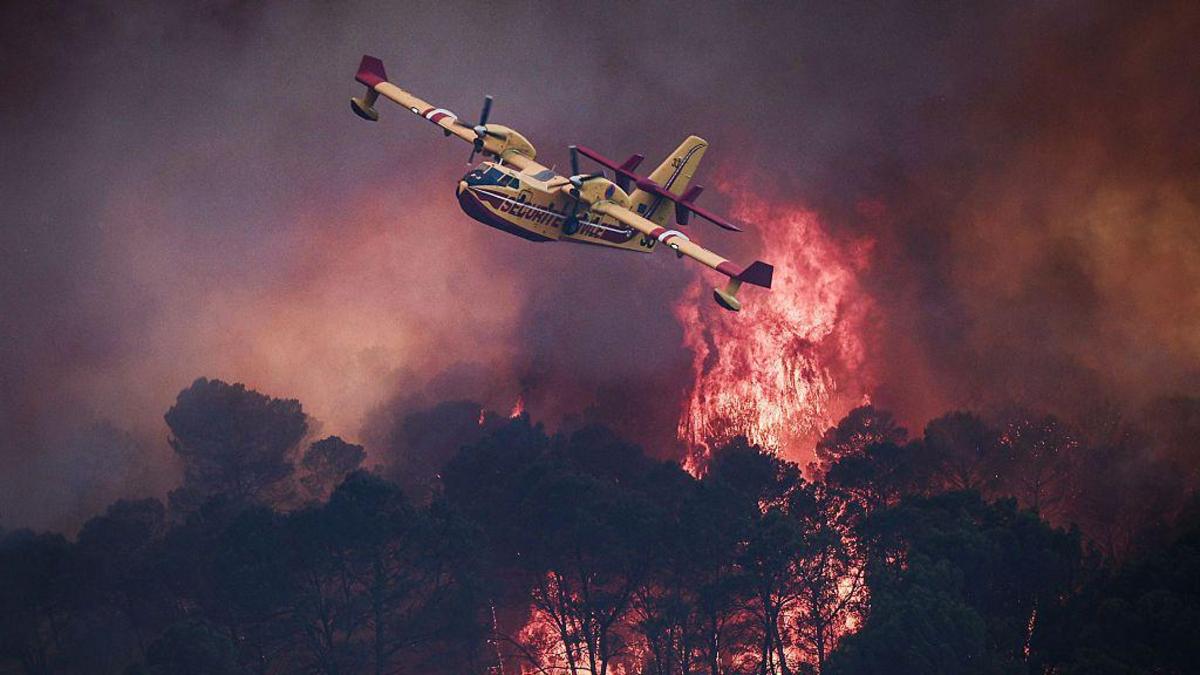
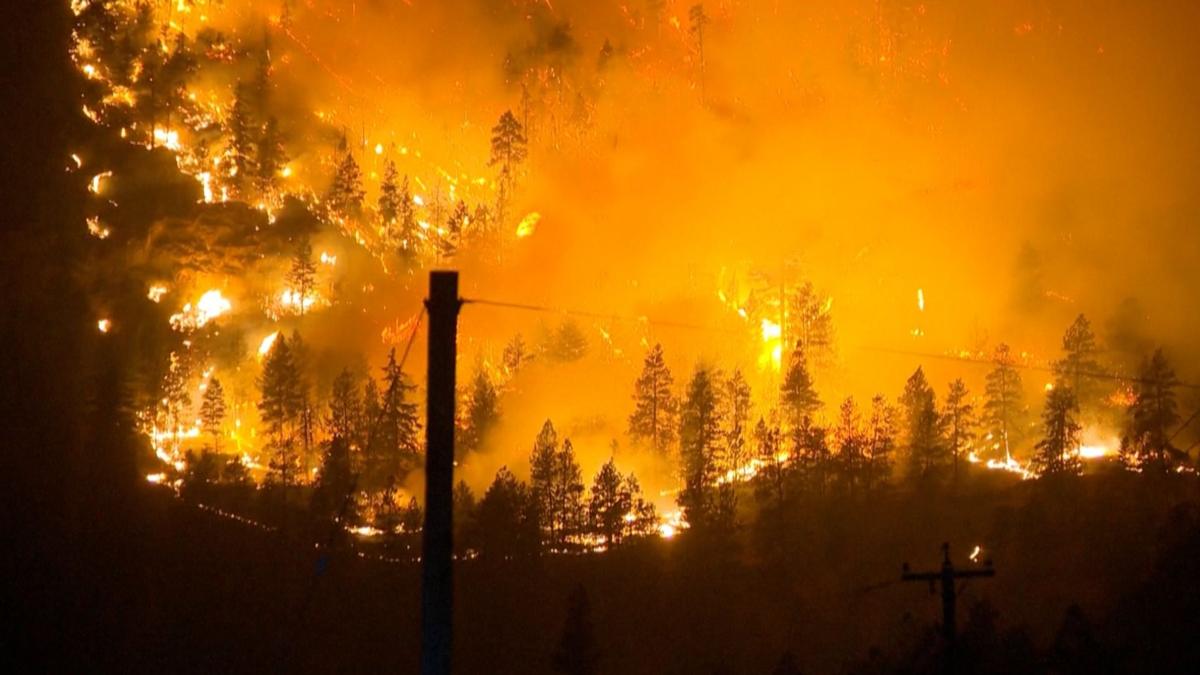
- Three wildfires that ignited Saturday near Spokane destroyed more than 700 buildings by Monday afternoon, prompting the Red Cross to convert the Spokane Convention Center into an emergency shelter for hundreds of evacuees, many of them seniors and their caretakers.
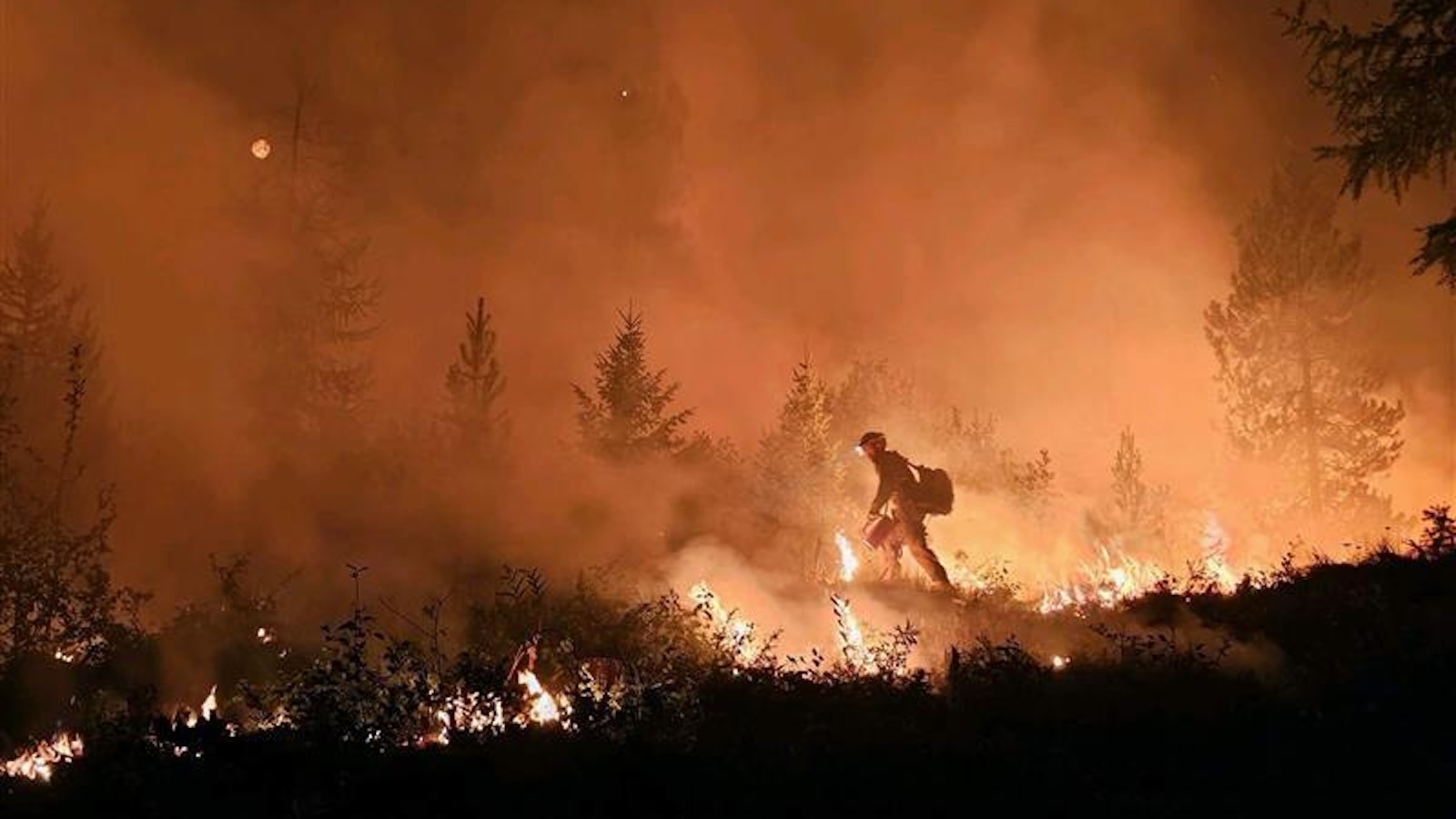
- Washington state is in its most destructive fire season on record, with more than 500,000 acres burned and at least 65,000 residents ordered to evacuate statewide as of this week.
- Oregon shattered its annual acreage record with nearly 2 million acres scorched, and dozens of large fires broke out across the Pacific Northwest in the past week alone, according to state data.
- Spokane received just half its typical snowfall this year, and the already-small snowpack melted early under hot spring temperatures, leaving the landscape parched, according to AccuWeather senior meteorologist Paul Pastelok.
- The 70,000-acre Little Giant fire in central Washington sent hot embers more than 3 miles across Lake Chelan via powerful winds, with Washington Department of Natural Resources' Ryan Rodruck calling the season "extremely tragic" for the thousands of wildland firefighters deployed.
- The wildland-urban interface — suburban neighborhoods bordering natural vegetation — is the fastest-growing type of land development in the United States; Spokane City Council member Kitty Klitzke said affected neighborhoods had only two roads in and out, stranding evacuees as homes burned around them.
- Climate scientists say a warmer atmosphere holds about 7% more water vapor for every 1°C of warming, drying out forests and grasslands; University of Washington's Bob Freitag said the Spokane fires "make no sense unless you connect the dots through a changing climate" and are "not a one-off."
Why it matters: This story documents three converging pressures stated in the source: record acreage burned (nearly 2 million in Oregon), accelerating wildland-urban-interface development, and a snowfall deficit that cut Spokane's typical accumulation in half. For the 65,000 Washington evacuees — many elderly — the crisis is housing and toxic smoke; for policymakers, Klitzke explicitly calls to "get really serious about addressing climate change" and adopt California-style defensible-space rules.
Ask SkimNews