Magnetic Bacteria Extend Worm Lifespan 43% — SkimNews
Get the Health newsletter
Daily health & science — research, biotech, public health, the studies worth knowing. Free.
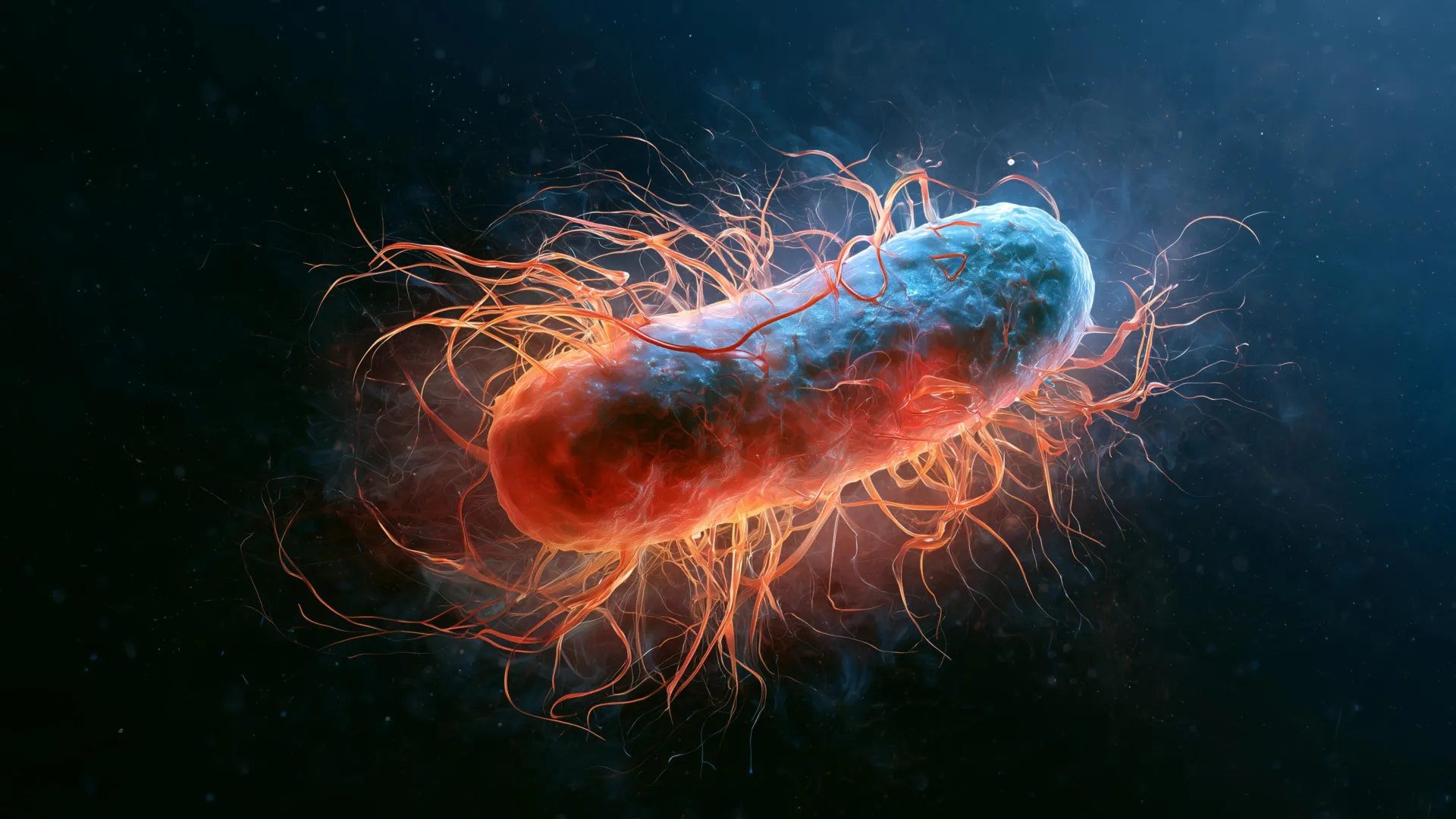
- An Xu and colleagues at the Hefei Institutes of Physical Science, Chinese Academy of Sciences, reported that Magnetospirillum magneticum AMB-1 extended the average lifespan of C. elegans worms by 43.39% and preserved their neurological function and intestinal integrity with age.
- The magnetosome-producing ability of the bacteria was central to the effect — wild-type AMB-1 outperformed reversibly non-magnetotactic RNM-AMB-1, while fully non-magnetotactic NM-AMB-1 produced no lifespan extension at all.
- AMB-1 reduced iron buildup and lipid peroxidation in the worms, suppressing ferroptosis — a form of cell death driven by iron accumulation and oxidative damage to cellular fats.
- Genetic analysis traced the longevity effect to specific ferroptosis-related genes — ftn-1, bli-3, and ads-1 — identified as regulators of AMB-1-mediated lifespan extension.
- The team published the findings in Free Radical Biology and Medicine, framing magnetotactic bacteria as a new microbial strategy for anti-aging intervention with potential applications in geriatric medicine.
Why it matters: For geriatric medicine, the finding opens a microbial anti-aging strategy with an identifiable mechanism — ferroptosis suppression via the ftn-1, bli-3, and ads-1 genes — and delivered preserved neurological and intestinal function alongside the 43.39% lifespan gain, not just longer life in worms.
Ask SkimNews