How new bird show hopes to help endangered flyers — SkimNews
Get the Energy newsletter
Daily energy & climate — solar, EVs, oil, the policy fights and tech bets shaping the transition. Free.
- The Lost Feather opens in July at Kynren in Bishop Auckland, County Durham, within a 2,500-seat open-air arena built to resemble a giant bird nest — wild swallows moved into the rafters within days of completion.
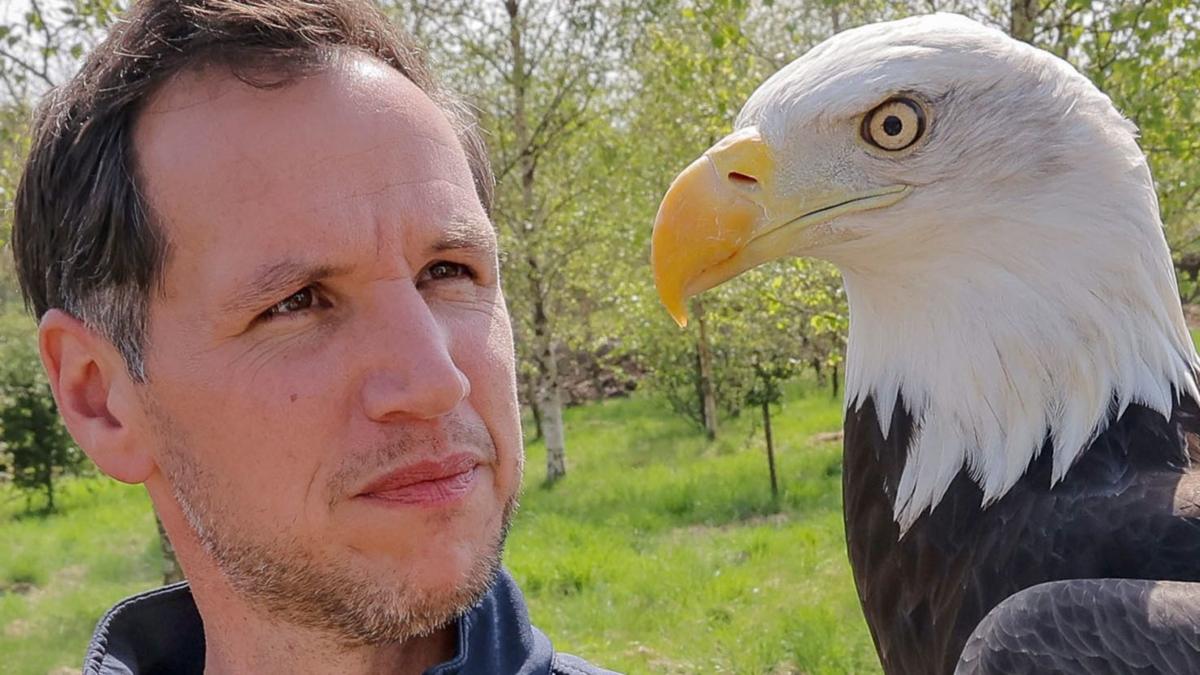
- Jimmy Robinson, Kynren's birds and conservation curator, leads a 16-strong team caring for 170 birds across 35 species housed year-round in aviaries and enclosed orchards, each fitted with a tracker (one peregrine falcon recently wandered to Spennymoor).
- Robinson's team is preparing breeding programmes for critically endangered African white-backed vultures and endangered African grey crowned cranes, with the captive population described as a potential "last lifeline" for the species.
- The Lost Feather is partnering with Hampshire-based Hawk Conservancy Trust to investigate why kestrels are declining in the North East and how to reverse the trend.
- From autumn, the project will install nest boxes for wild barn, tawny and little owls at sites from Northumberland to North Yorkshire, monitored by a volunteer team trained for spring and autumn field surveys.
- Some birds arrived by unusual routes — including pink-breasted cockatoos from a Heathrow seizure of an illegal Australian shipment that needed rehoming.
Why it matters: The Lost Feather converts a commercial theme park into a working conservation hub with direct breeding pipelines for critically endangered species that could lose wild populations without captive backup. With 170 birds, kestrel decline research, and a volunteer survey network spanning Northumberland to North Yorkshire, the project gives the region a new infrastructure for monitoring and reversing native bird losses.
Ask SkimNews