College Football 2026 Uniform Changes: Deals and Throwbacks — SkimNews
Get the Sports newsletter
Daily sports — scores, transfers, the storylines from the leagues you actually follow. Free.
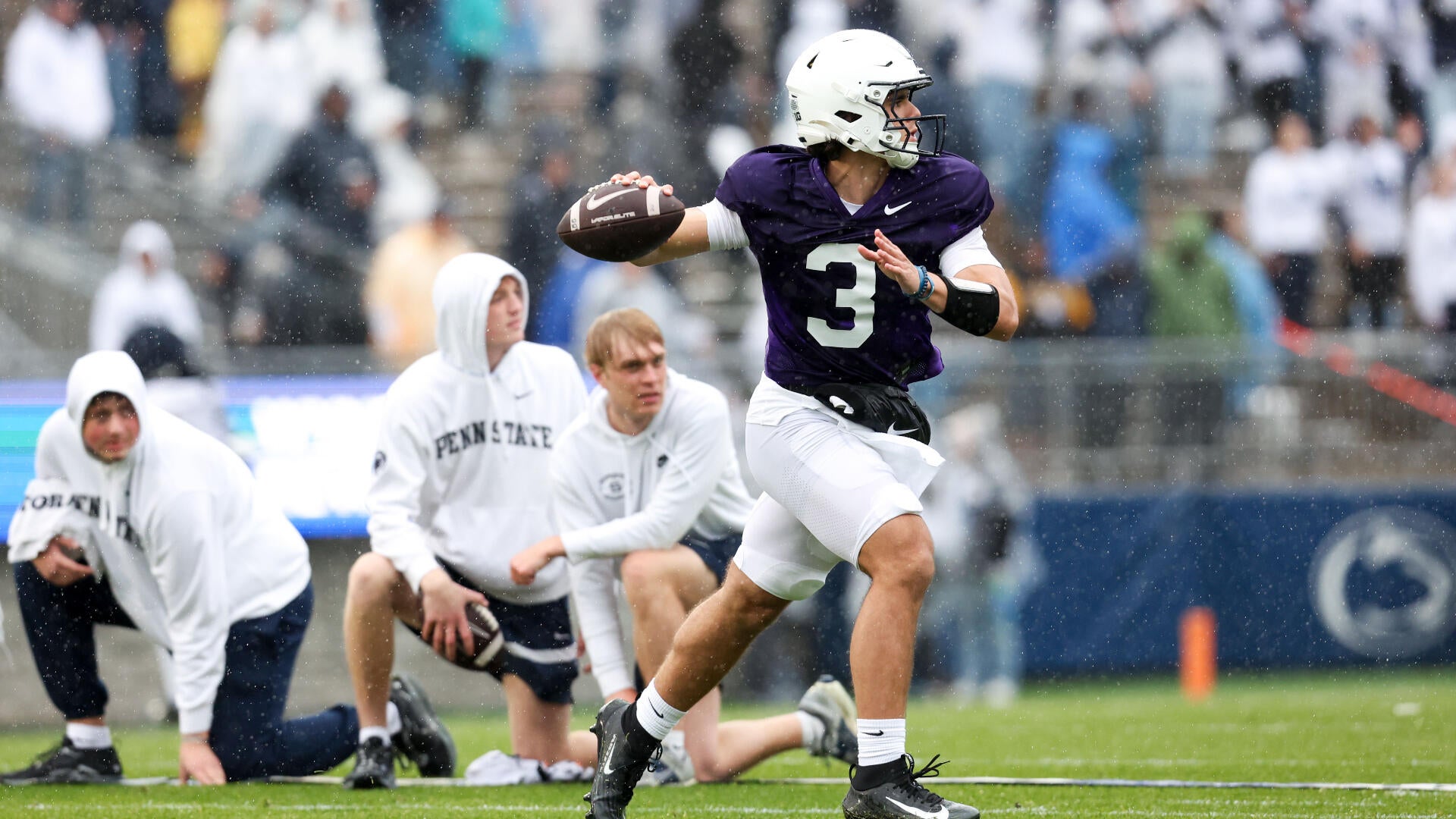
- Penn State signed a reported $300 million, 10-year deal with Adidas after leaving Nike, but the new uniforms made only minimal changes — players modeled the look to calm fan fears of receiving what the article calls the "Nebraska treatment."
- Georgia Tech switched from Adidas to Under Armour on July 1, unveiling 12 uniform combinations incorporating white, gold, navy, and dark anthracite, with shoulder striping inspired by the campus's Kessler Campanile.
- Nebraska's updated Adidas throwback moved traditional shoulder stripes to a stylized template and replaced the block numeral font used since 1968, with the new font inspired by the "sharp edge of steel anvil and the agricultural crop rows of Nebraska"; the move drew fan backlash this summer.
- Tennessee returned to Adidas after 11 years with Nike, completing a full-circle reunion from the Vols' prior 1995–2014 Adidas stint, and staged a week-long athletic-department rollout in July.
- South Carolina jumped from Under Armour to Nike after a decade, with the Swoosh signing QB LaNorris Sellers and edge rusher Dylan Stewart to Blue Ribbon Elite NIL deals as part of the new partnership.
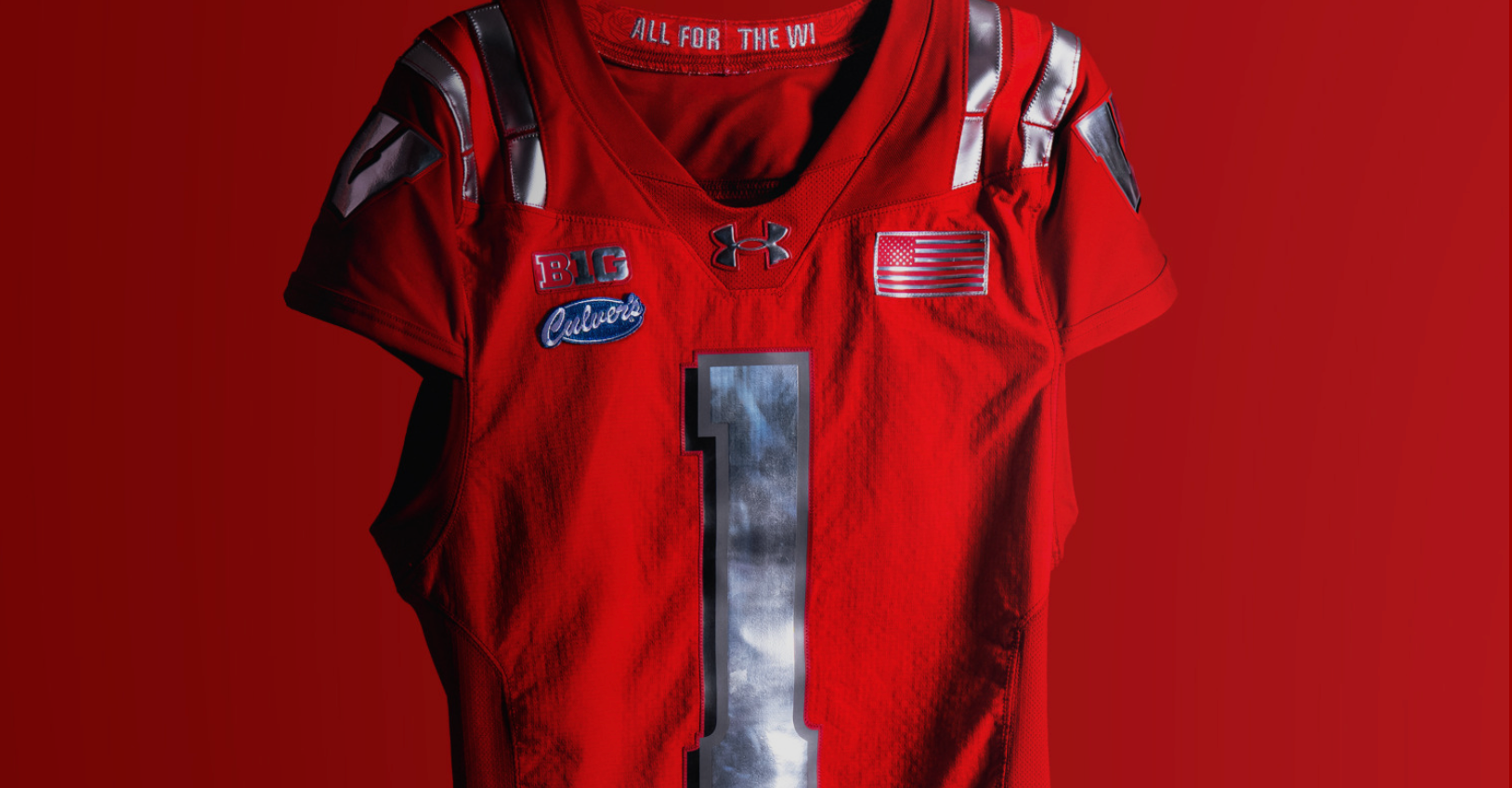
- Notre Dame will wear an all-navy uniform with 11 shamrocks along the neckline — representing its 11 consensus national championships — in its Shamrock Series opener against Wisconsin at Lambeau Field, with block numerals inspired by former Heisman winner and Packers icon Paul Hornung.
- TCU unveiled an all-black alternate for its Dublin season opener that reimagines the 2010 Pro Combat look, bringing back "Frog Skin" numbers and adding red horn details referencing the Horned Frog's defense mechanism.
Why it matters: The 2026 cycle is unusually deal-heavy: Penn State's reported $300 million Adidas pact, South Carolina's Nike switch, and Georgia Tech's Under Armour move represent eight-figure annual apparel commitments that reshape recruiting budgets, while Nebraska's fan backlash illustrates the reputational risk of redesigning heritage looks that alumni and casual fans still emotionally own.
Ask SkimNews