Modi maps India’s growth push as he reaches out to students
Get the Geopolitics newsletter
Daily geopolitics — wars, elections, sanctions, the diplomatic moves that move markets. Free.
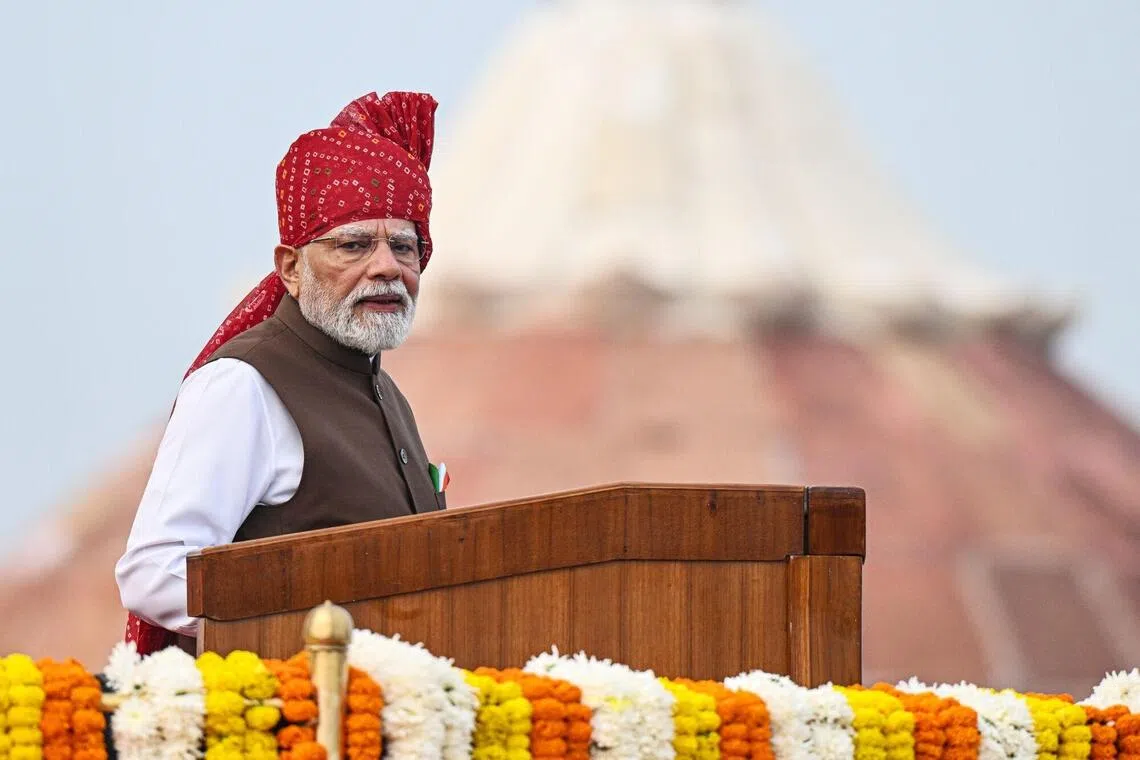
- Narendra Modi pledged from Delhi's Red Fort on Aug 15 that India would reach developed-economy status by 2047, the centenary of independence from British rule, in a speech lasting more than an hour.
- Modi announced targets including up to eight more semiconductor plants in seven to eight years and five nuclear reactors; India allowed private firms to develop atomic projects in 2025 as it pursues an elevenfold expansion of nuclear capacity to 100 GW by 2047.
- India weathered the Iran-US war oil shock better than officials initially feared — the rupee plunged to record lows, but an inflation spike and economic downturn failed to materialize five months later, officials said.
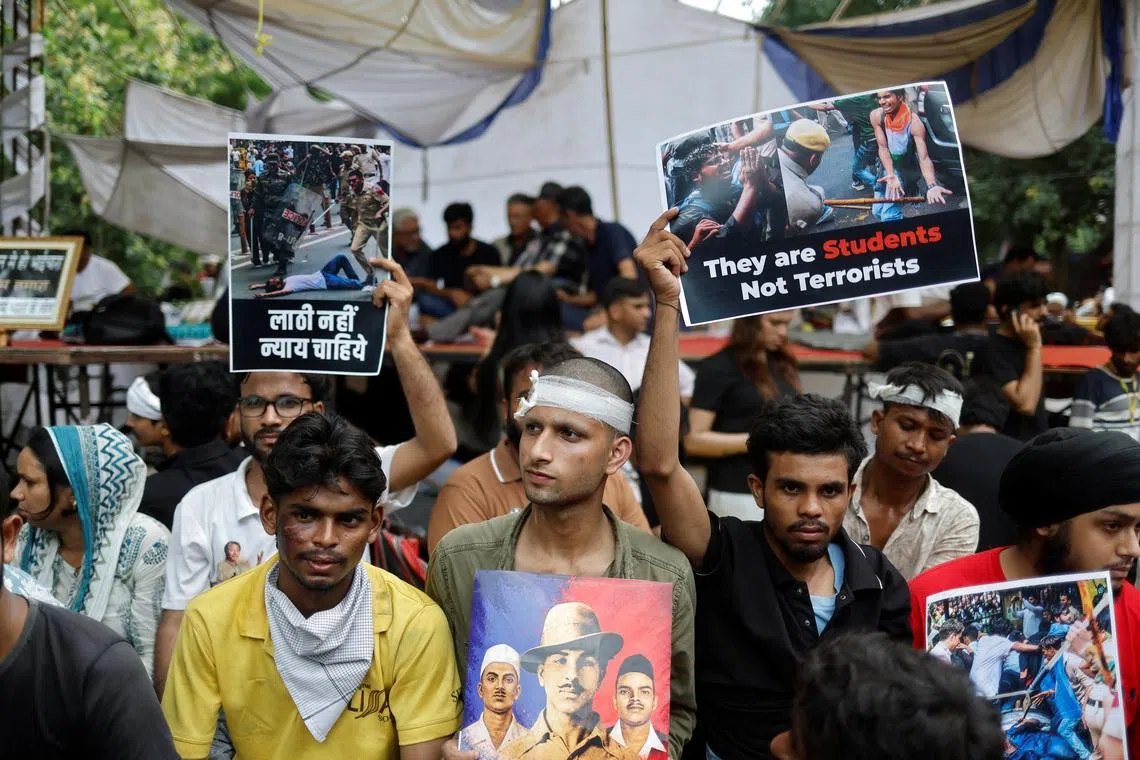
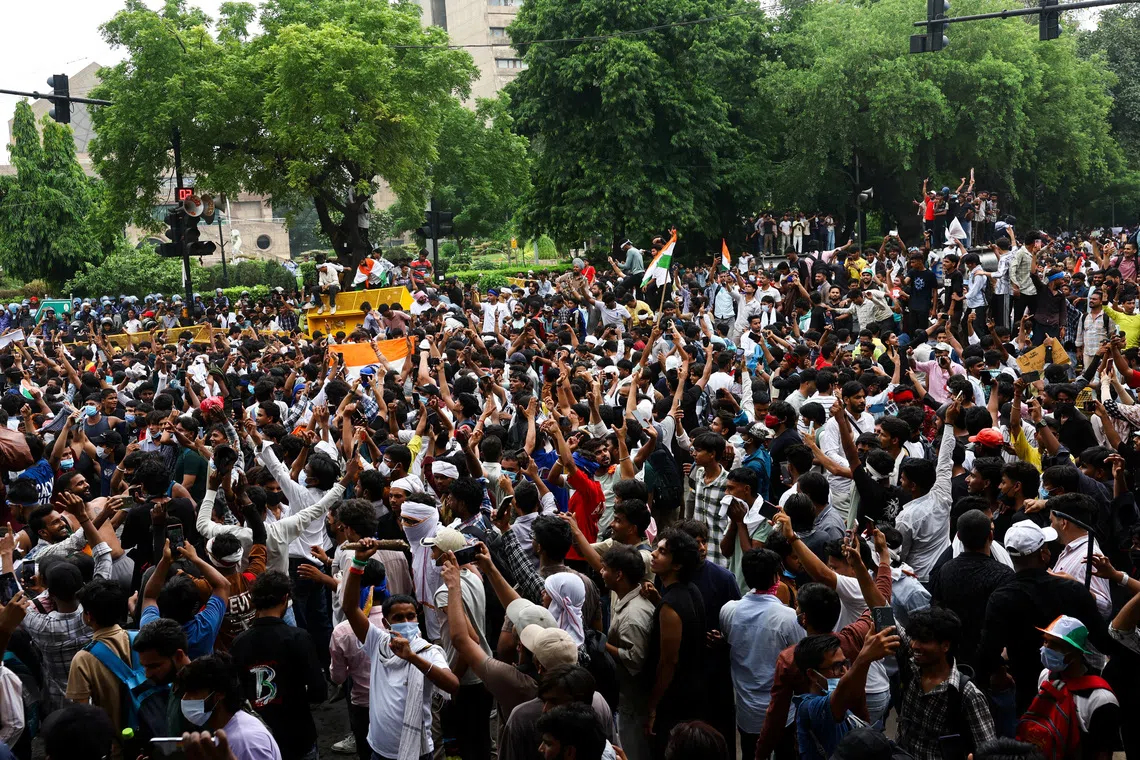
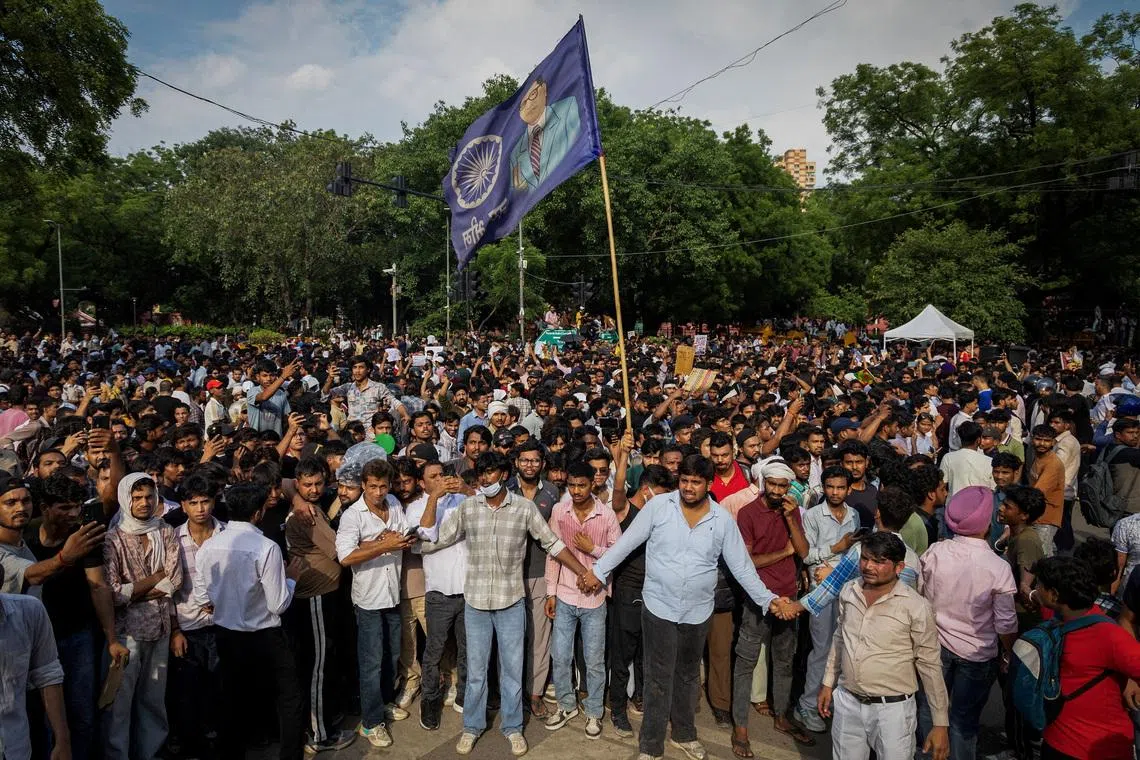
- Dharmendra Pradhan resigned as Education Minister in July after student protests over exam leaks led by the satirical Cockroach Janta Party, becoming the first Cabinet minister to step down under public pressure during Modi's 12 years in power.
- Modi announced free online coaching for competitive-exam students, tougher penalties for paper leaks, a high-powered task force to overhaul exam administration, and a plan to train 10 million young people in AI skills within a year.
- India's youth unemployment averaged about 20% for 15- to 24-year-olds versus 16% in middle-income peers, with over a third of graduates and postgraduates jobless, according to Bloomberg Economics.
Why it matters: Pradhan's resignation marked the first Cabinet-level casualty of public pressure in Modi's 12-year tenure, making the speech's student-focused concessions — free coaching, AI training, exam overhaul — a political response, not routine policy. With graduate unemployment above 33% and chip and nuclear targets still aspirational, Modi's 2047 deadline now rests on whether the rhetoric translates into jobs for the cohort he is courting.
Ask SkimNews