LLMs Cut Debugging Time, Undermine Engineer Expertise — SkimNews

Get the Tech newsletter
Daily tech — startups, AI labs, chips, the launches that shape the next decade. Free.
- The author has ten years of software engineering experience, moving from frontend to backend and gaining deep finance and payment processing expertise.
- The finance-focused company provided ChatGPT and Claude Enterprise accounts and encouraged AI use while requiring code review.
- The author's manager pushed the author to rely more on AI for design docs after noting slow delivery.
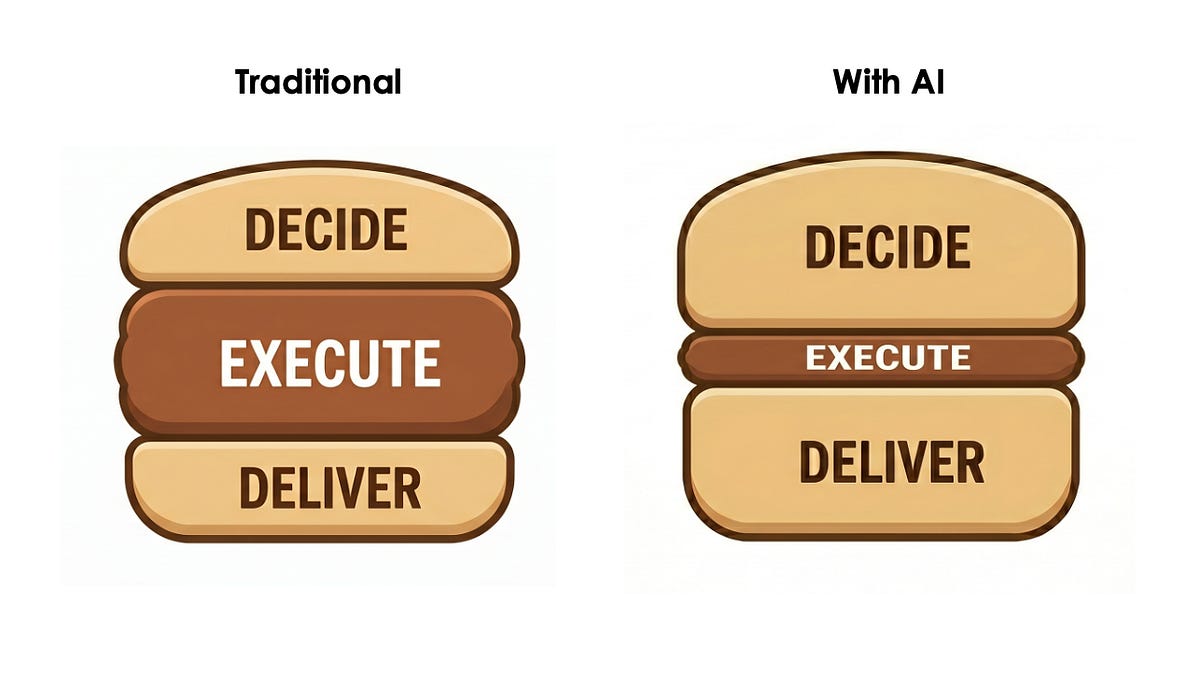
- LLMs such as Claude 4.5, Claude 4.6, GPT 5.5, and Opus 4.8 solved 60‑90% of bugs from stack traces and Sentry links, often one‑shotting issues that previously took days.
- The author says his domain knowledge and debugging intuition are now “promptable,” reducing his unique value.
- Code quality and architecture remain a differentiator, but LLM‑generated code often violates SOLID principles and is accepted at lower grades (C/D) because it is written for machines.
- The company recently laid off engineers and now hires generic “Software Engineer” roles without domain tags, indicating domain expertise is no longer a hiring advantage.
Why it matters: Engineers lose market value as LLMs automate high‑skill tasks, while firms gain cost efficiency by replacing specialized talent with AI‑assisted generalists; the shift also pressures salaries and reduces demand for deep domain expertise. The trend also leads to layoffs and a hiring focus on generic software engineers, reshaping career pathways and widening the gap between AI‑centric development and human‑centric expertise.
Ask SkimNews