Colorado River Flow Slows, Lake Mead Near Record Low — SkimNews
SkimNews Take
The American West's water crisis, exacerbated by agricultural demands and outdated agreements, now threatens critical infrastructure like hydropower, signaling a shift from resource scarcity to potential systemic failure.
Get the Energy newsletter
Daily energy & climate — solar, EVs, oil, the policy fights and tech bets shaping the transition. Free.
- Brad Udall said March temperatures were unprecedented and caused snowpack to deteriorate from "crummy" to "god‑awful" in three weeks, attributing it to human‑caused climate change.
- Colorado River flow slowed to a trickle in some sections last week after early snowmelt, threatening water supply for 40 million people across seven states.
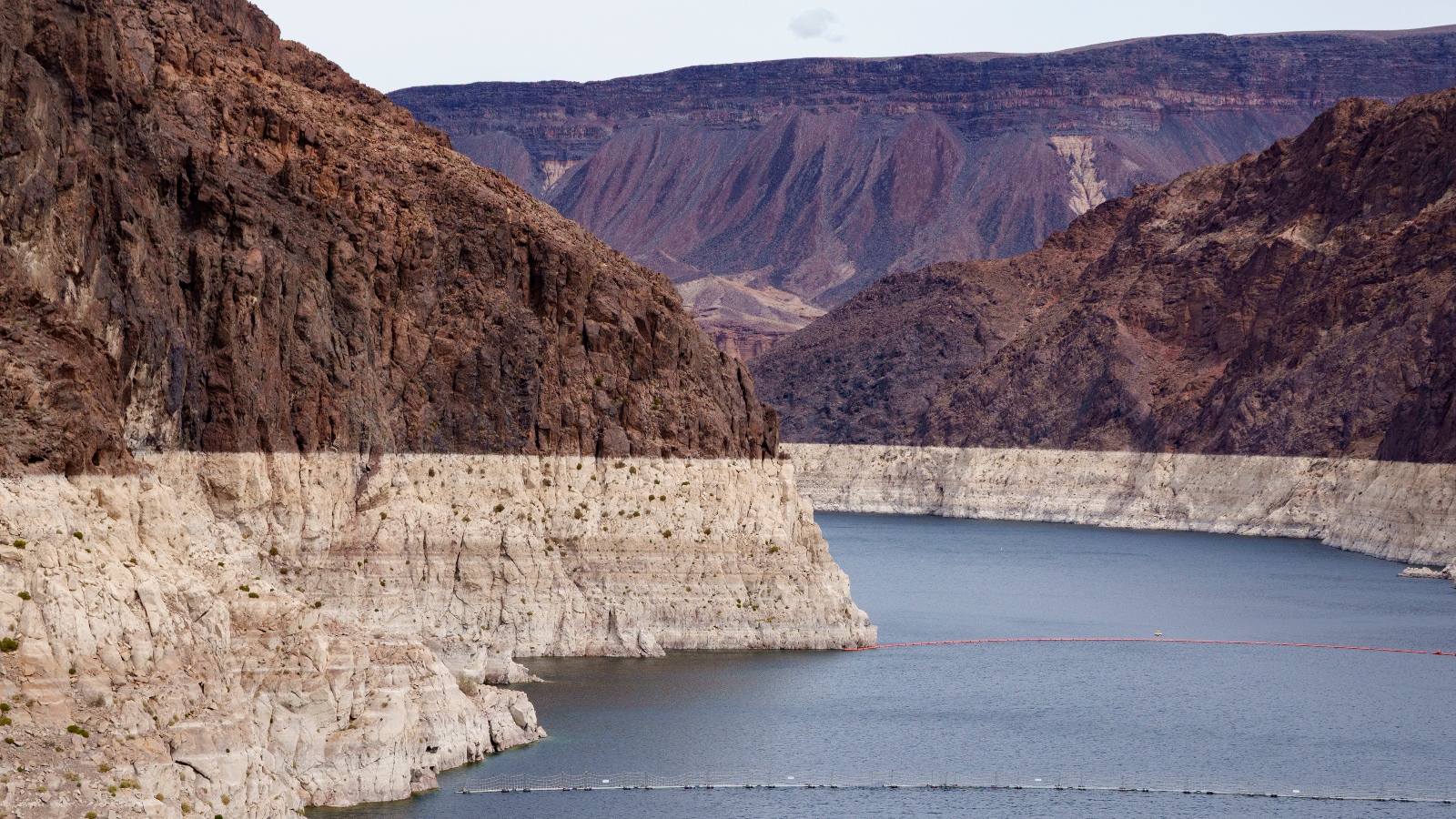
- Lake Mead is only 17 feet above its July 2022 record‑low level, jeopardizing hydropower generation for over 25 million people.
- U.S. Interior Department announced emergency actions to keep hydropower at Lake Powell operational, acknowledging potential reductions in Lake Mead generation and downstream water availability.
- Alfalfa production for cattle feed consumes more Colorado River water than all cities on the river combined, intensifying the political dispute over the 1922 Colorado River Compact.
Why it matters: Western states and 40 million residents face water cuts, while alfalfa farms drain more water than all river cities combined and low reservoir levels threaten electricity for 25 million customers, prompting the Interior Department to act.
Ask SkimNews


