US Snowpack Hits Low, Wildfire Risk Rises as Cyclone Forms — SkimNews

Get the Energy newsletter
Daily energy & climate — solar, EVs, oil, the policy fights and tech bets shaping the transition. Free.
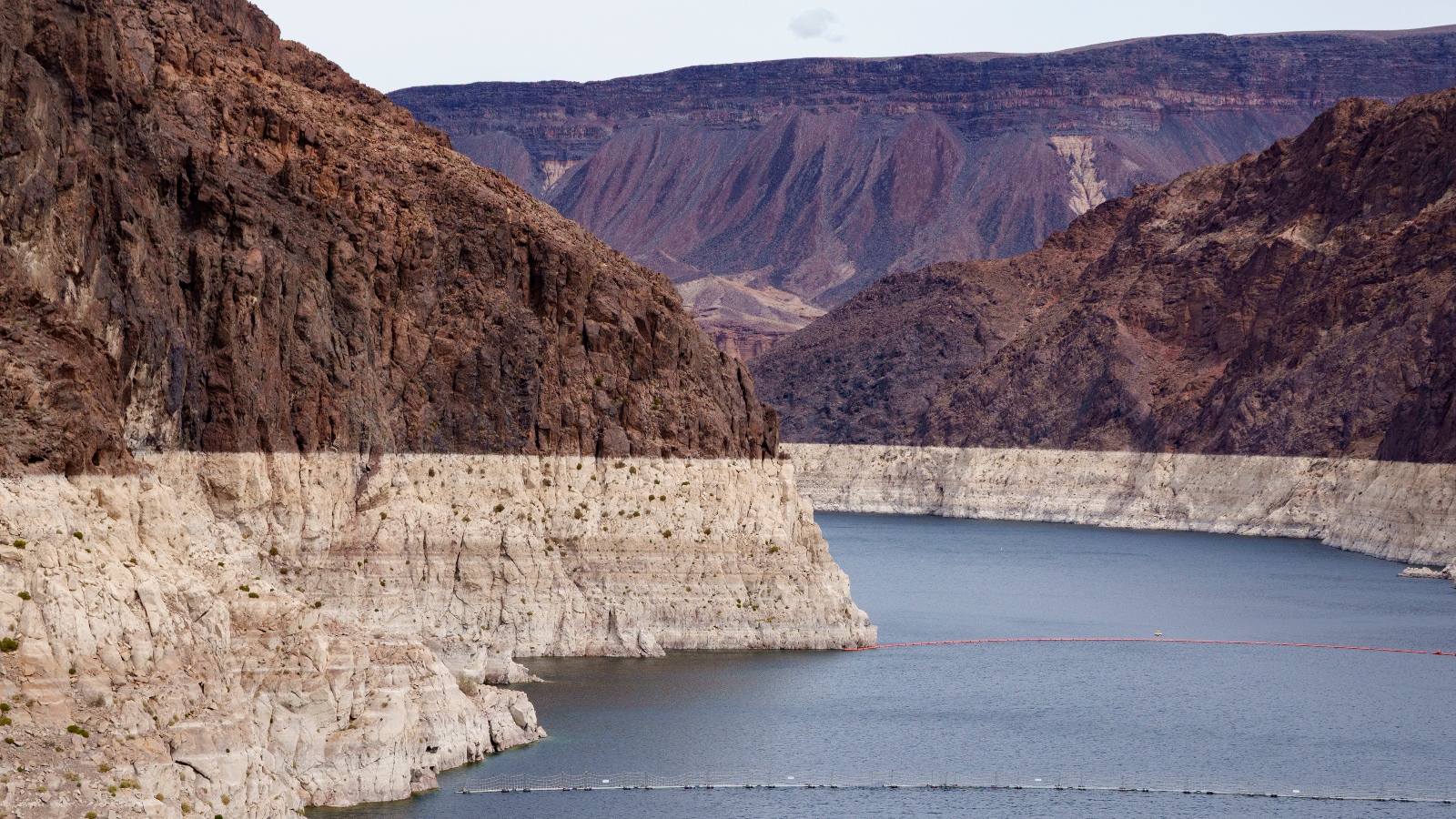
- U.S. western states experienced a historically warm winter and March, leaving mountain snowpack at critically low levels, which threatens water supply and increases wildfire risk for millions
- Tropical Cyclone Maila formed in the Solomon Sea, a rare location due to its proximity to the equator, and is forecast to become the strongest storm to impact or make landfall in Papua New Guinea
- Port Moresby Tropical Cyclone Warning Centre named Maila, marking the first named storm for Papua New Guinea since Cyclone Guba in 2007, highlighting the system's historical rarity
- Northern Vietnam and southern China are expected to see temperatures of 35–39°C, about 10°C above normal for this time of year, with extreme heat and humidity posing risks to public health
- Cambodia, southern Thailand, Laos, and southern Vietnam may approach 40°C amid very high humidity, creating dangerous heat stress conditions for millions of people
Why it matters: Critically low snowpack in the U.S. West increases the urgency for fire preparedness as dry, warm conditions persist, while the rare formation of Cyclone Maila near the equator raises risks for unprepared regions in Papua New Guinea and potentially Queensland, where infrastructure may not be built for such extreme events.
Ask SkimNews