Vietnam and Philippines Share South China Sea Strategy Flaw — SkimNews
Get the Geopolitics newsletter
Daily geopolitics — wars, elections, sanctions, the diplomatic moves that move markets. Free.
- Vietnam and the Philippines both combined diplomatic and legal measures with hard-power approaches in 2025–2026 — including outpost upgrades, expanded security cooperation with the US, Japan, Australia, and India — showing more convergence than their public postures suggest.
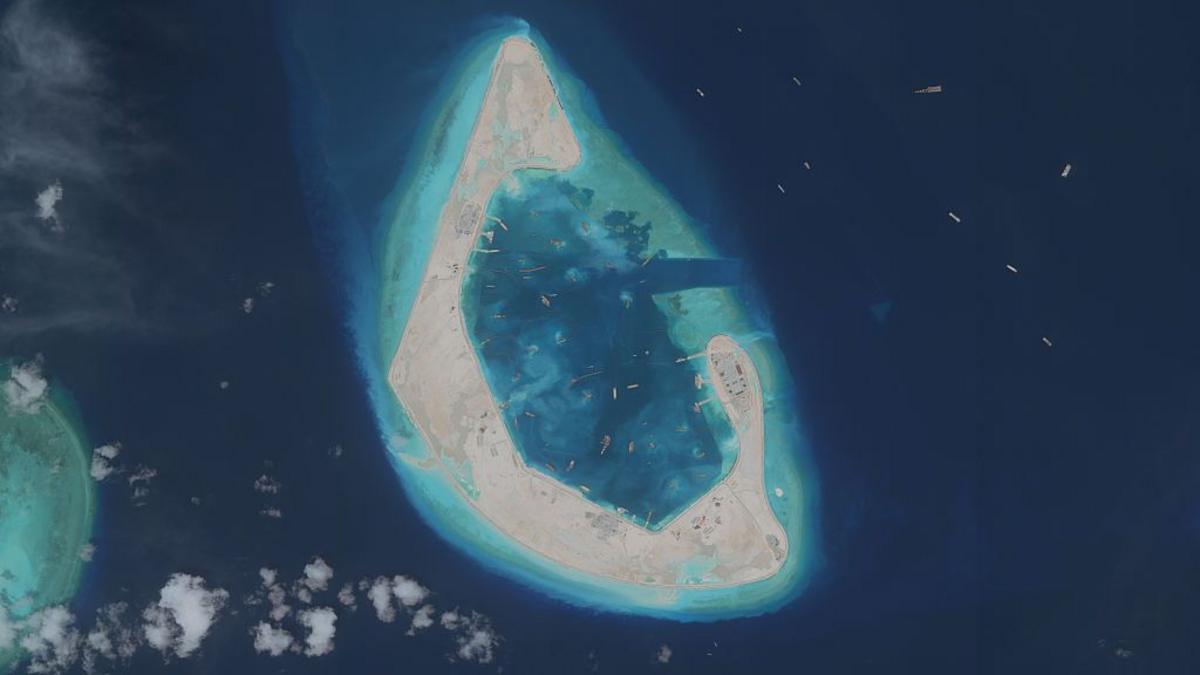
- Vietnam issued a March 2026 statement protesting China's land reclamation at Antelope Reef in the Paracel Islands while avoiding any direct reference to China, and reaffirmed UNCLOS as the sole legal basis for defining maritime entitlements.
- The Philippines filed 39 diplomatic protests against China through September 2026, co-issued a 14-country joint statement declaring the 2016 arbitral award 'final, legally binding and definitive,' and protested a Second Thomas Shoal confrontation by summoning China's ambassador.
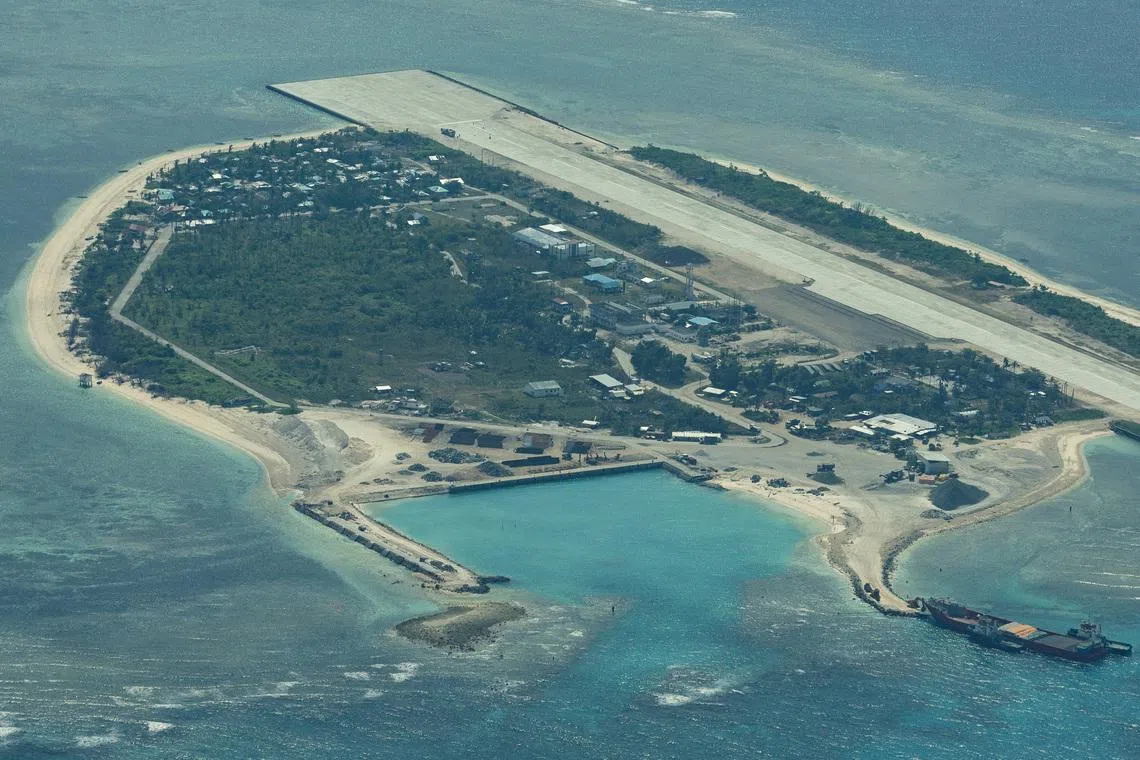
- The Philippines extended the runway on Thitu Island, expanded the port on Nanshan/Lawak Island, added four new sites under the US Enhanced Defence Cooperation Agreement, and introduced NMESIS anti-ship missiles and Typhon mid-range capability launchers in exercises.
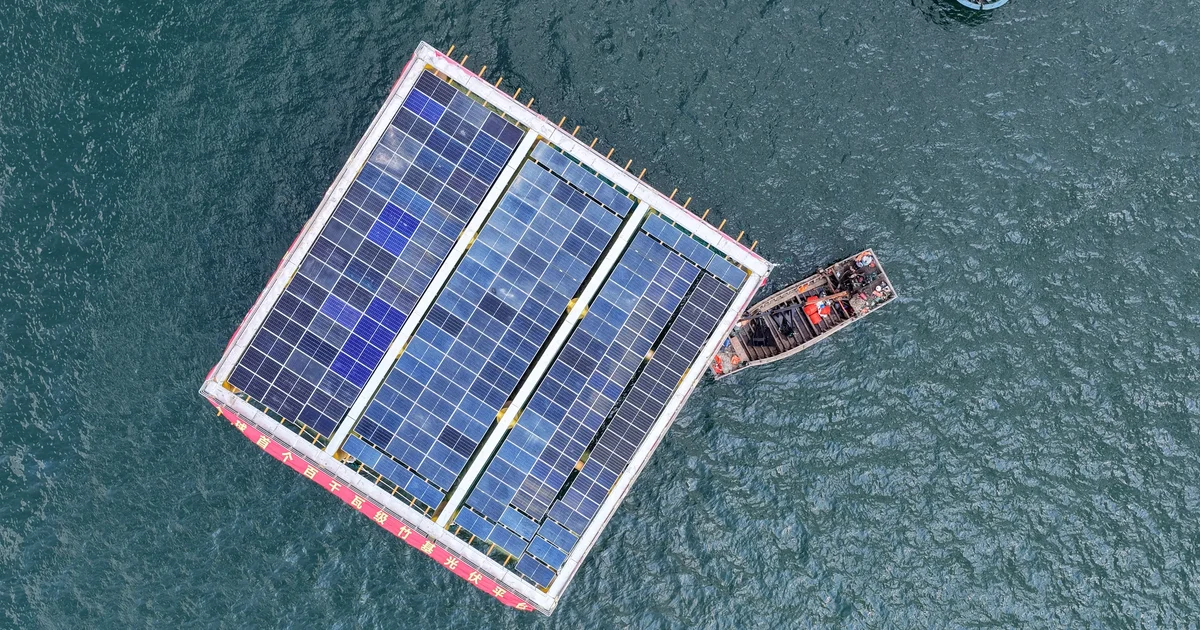
- China has become a critical supplier to both countries' energy transitions: the Philippines is now China's second-largest solar panel market, while Chinese firms hold a dominating position in Vietnam's renewable energy supply chains for wind turbines and EV vehicles.
- Both countries could preserve some strategic autonomy by developing industrial strategies that include local content requirements, facilitate technology transfer, and encourage upstream integration in clean energy supply chains.
Why it matters: Both Vietnam and the Philippines are accelerating energy transitions that lock them into Chinese-dominated renewable supply chains, creating domestic constituencies with vested interests in ties to Beijing. This dependency could gradually pull Hanoi and Manila away from more confrontational South China Sea postures, regardless of who holds power in either capital — making energy policy itself a quiet constraint on maritime strategy.
Ask SkimNews