Israel Strikes Beirut as U.S.-Iran Deal Nears — SkimNews

Get the Geopolitics newsletter
Daily geopolitics — wars, elections, sanctions, the diplomatic moves that move markets. Free.
- Israel struck Beirut's southern suburbs on Sunday, targeting Hezbollah infrastructure, with smoke rising over the Lebanese capital in the Dahiyeh neighborhood.
- Benjamin Netanyahu's office said the strikes were retaliation for three projectiles Hezbollah launched into northern Israel earlier in the day; Israeli military footage showed a column of smoke and a audible boom.
- The bombing marked the second strike on Beirut suburbs in a week — the first since a tenuous ceasefire took hold April 7 — which had previously triggered Iran to strike Israel, followed by an Israeli counterstrike on Iran.
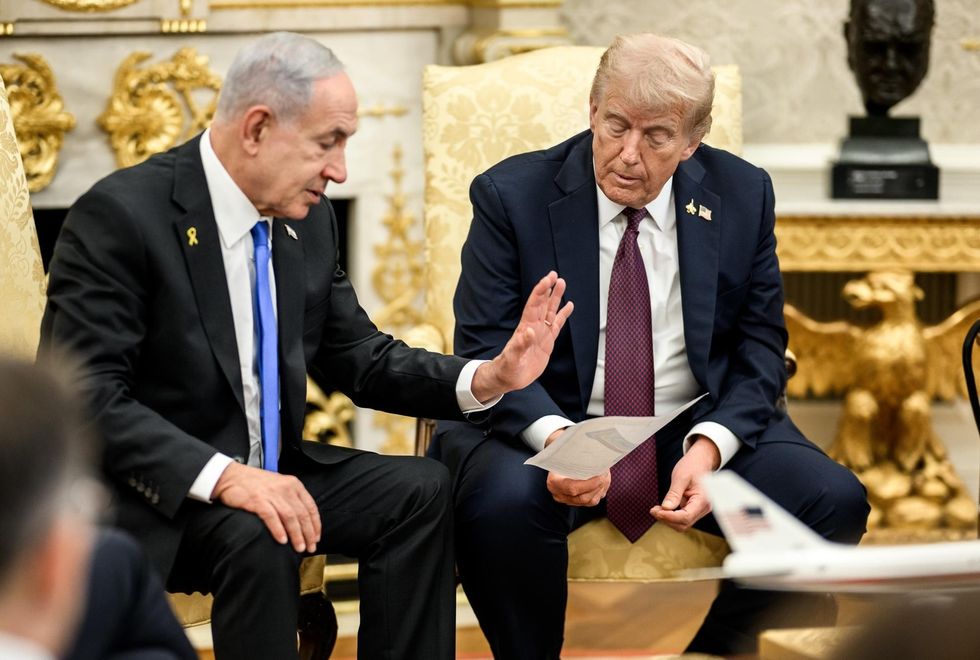
- The U.S. and Iran are nearing a deal brokered by Pakistan, with Qatari mediators travelling to Tehran on Sunday; Trump said the Strait of Hormuz would reopen immediately after a Sunday signing.
- The emerging deal is a "deep disappointment" to Israel, which has been sidelined in negotiations led by Pakistan and others, and does not achieve the original U.S.-Israeli goal of destroying Iran's missile and nuclear programs.
- The framework offers only a 60-day period for technical discussions on Iran's nuclear program and frozen assets, leaving Iran's 440.9 kilograms of uranium enriched to 60% purity — a short technical step from weapons-grade — unresolved.
- Republican critics of Trump argue the deal does not improve on the 2015 Iran nuclear agreement he withdrew from during his first term, calling it a politically unpopular concession ahead of midterm elections.
Why it matters: Israel is bombing a capital city while its closest ally negotiates the very conflict Israel is waging — and the resulting deal openly describes Israel as 'disappointed' and 'sidelined.' The 60-day framework defers rather than resolves Iran's 440.9 kg of 60%-enriched uranium, meaning the nuclear question survives intact. A signed deal would reopen the Strait of Hormuz, reversing a closure the source says has thrown world markets into disarray.
Ask SkimNews