Japan Fires Missile in US‑Philippines Drill
SkimNews Take
Japan's Type 88 missile live-fire, a system designed to deter amphibious invasion, signals a shift towards projecting defensive capabilities beyond its immediate borders in a region facing maritime disputes.
Get the Geopolitics newsletter
Daily geopolitics — wars, elections, sanctions, the diplomatic moves that move markets. Free.
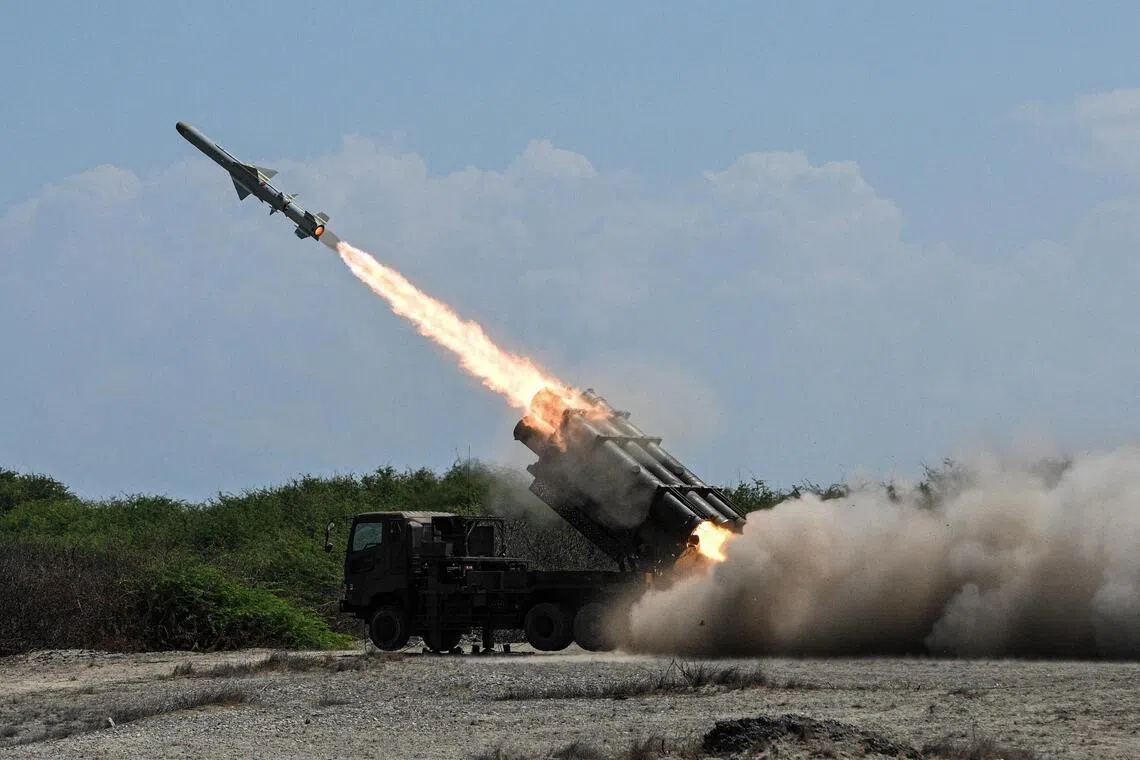
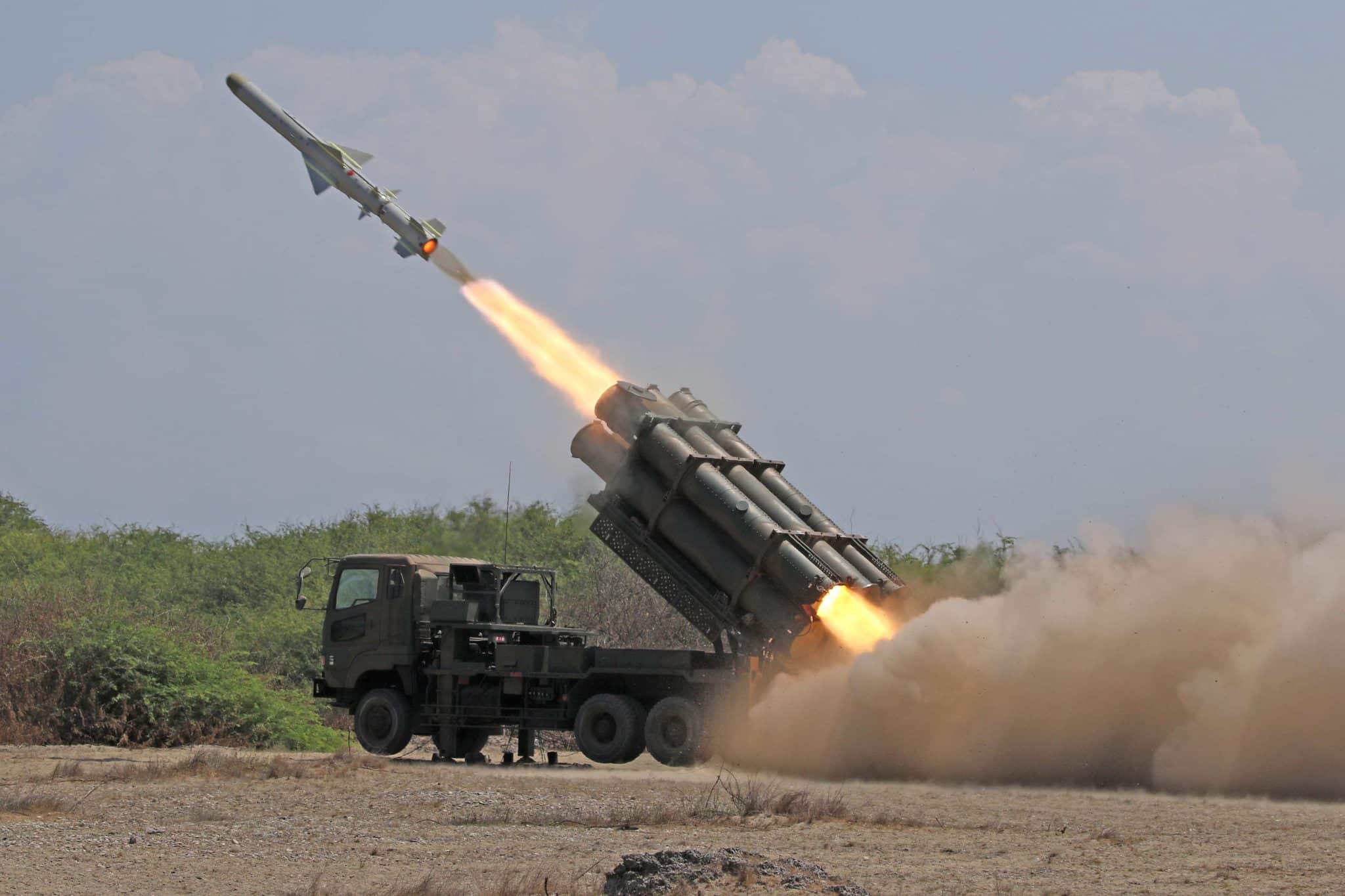
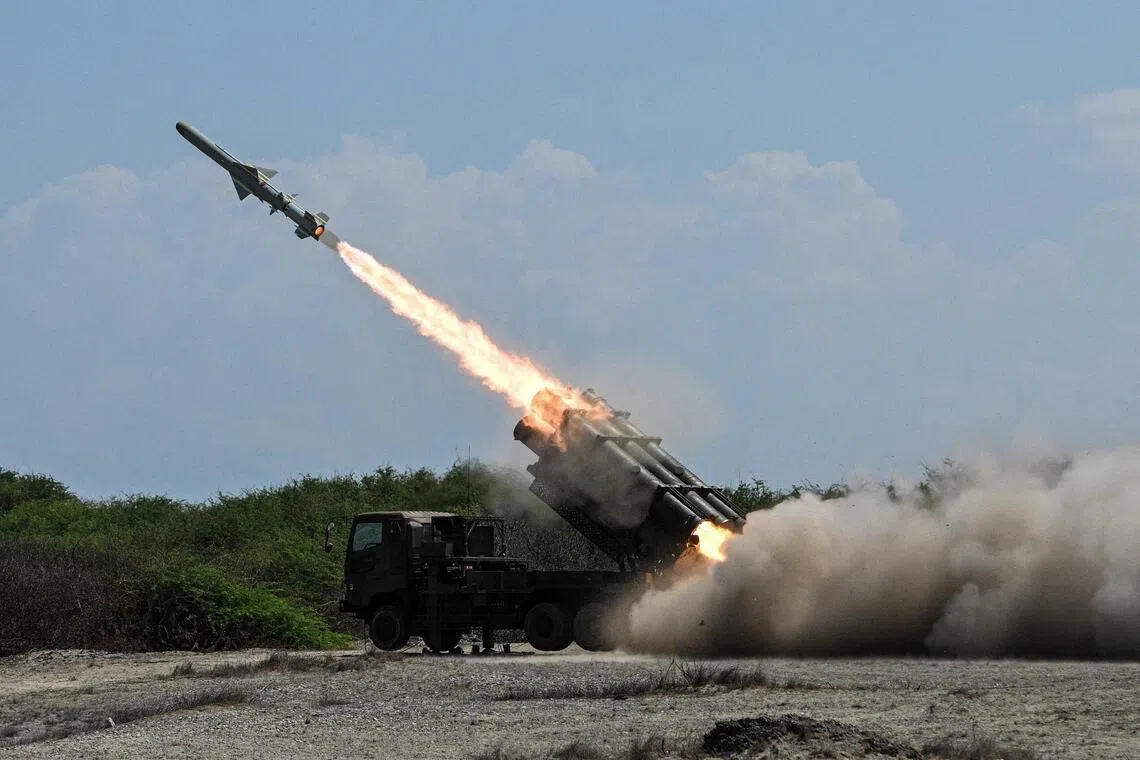
- Japan fired a Type 88 anti‑ship missile at a decommissioned Philippine ship during a joint drill on May 6, 75 km off Paoay in the northern Philippines, targeting the South China Sea.
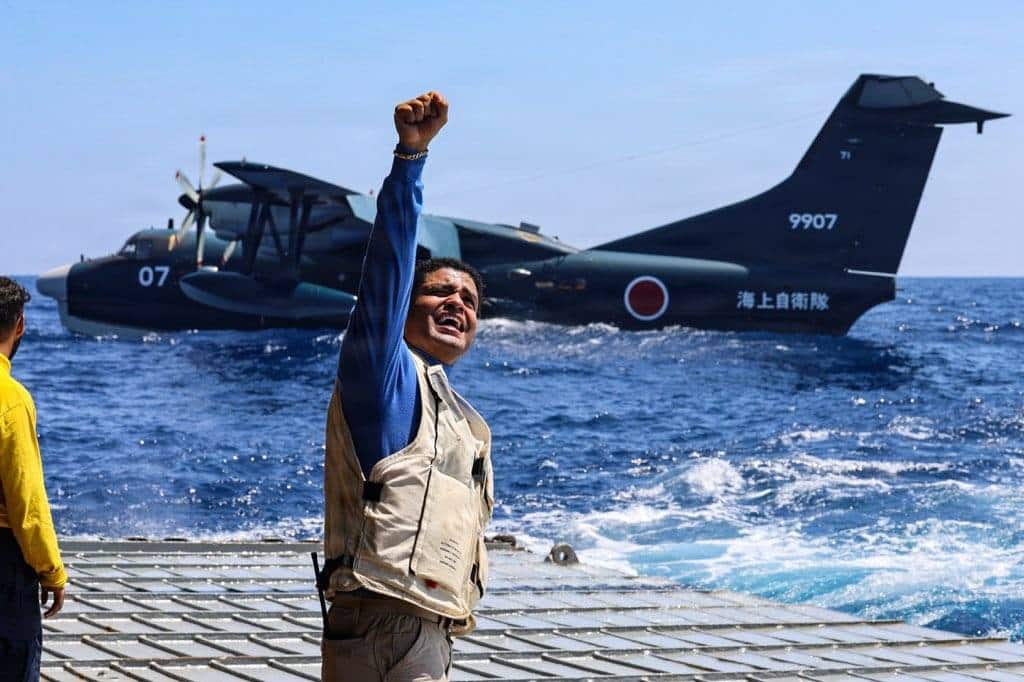
- United States contributed about 10,000 troops to the Balikatan exercises, while Japan added roughly 1,400 personnel, marking the first time Japan joined as an active participant alongside Canada, Australia, France, and New Zealand.
- Philippines Defence Secretary Gilberto Teodoro and Japan’s Defence Minister Shinjiro Koizumi witnessed the live firing, and President Ferdinand Marcos Jr watched via video feed, underscoring high‑level political support.
- China’ Ministry of Foreign Affairs condemned the drill, accusing Japan of sending forces overseas to launch offensive missiles under the guise of security cooperation.
- Japan is negotiating the early transfer of Abukuma‑class destroyers and TC‑90 aircraft to the Philippines, following its recent policy shift to lift restrictions on military exports.
Why it matters: The Philippines gains a tangible boost in maritime firepower as Japan’s 1,400‑person contingent and US forces test the Type 88 missile, while China’s diplomatic push is undercut, likely spurring a surge in regional arms procurement and tighter US‑Japan‑Philippines security ties.
Ask SkimNews