Logevall: Trump Repeating LBJ's Vietnam Escalation Trap — SkimNews
Get the Geopolitics newsletter
Daily geopolitics — wars, elections, sanctions, the diplomatic moves that move markets. Free.
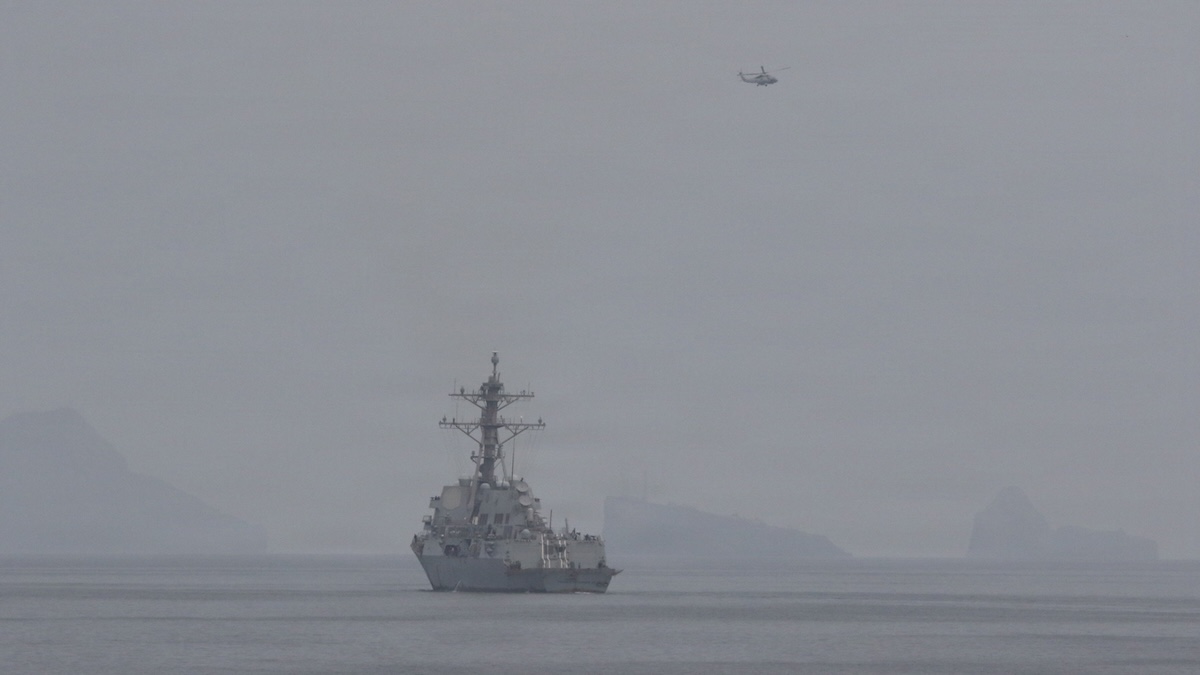
- President Trump threatened to destroy Iranian civilization on April 7, then offered a ceasefire that produced a single day of peace talks in Pakistan, but is now ordering a U.S. Navy blockade of the Strait of Hormuz and reportedly weighing the resumption of limited air strikes.
- Fredrik Logevall, a Harvard historian and Pulitzer Prize-winning author of "Embers of War," told Responsible Statecraft that Trump's Iran policy exhibits the same self-reinforcing escalation pattern that consumed LBJ in Vietnam, as each side misreads tactical successes and feels compelled to escalate further.
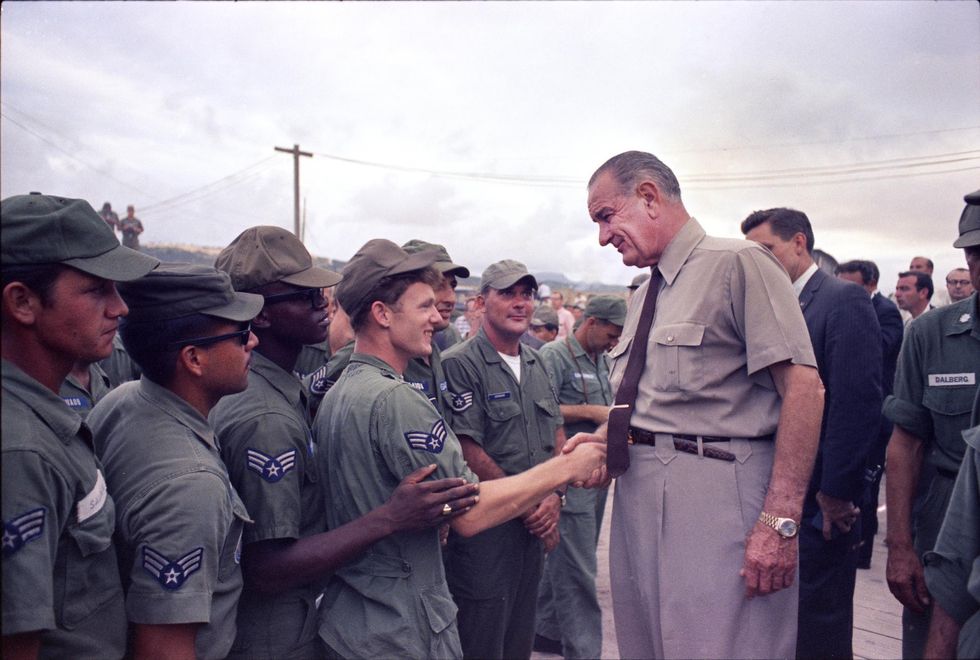
- President Johnson confided to National Security Adviser McGeorge Bundy in May 1964 — nearly a year before Marines landed at Da Nang — that he "don't think it's worth fighting for and I don't think we can get out," revealing deep private doubts about a war he was simultaneously expanding.
- Vice President Hubert Humphrey submitted a mid-February 1965 memorandum pleading with Johnson not to escalate, warning that doing so would divide the American people and worsen Johnson's chances for re-election in 1968 — a prediction that proved prescient.
- The Joint Chiefs of Staff estimated that Vietnam escalation would require 500,000 troops over five years, a figure that proved roughly accurate and underscores Logevall's warning that even a small initial deployment of U.S. forces near Iran would create pressure to send more troops to defend them.
- Logevall argues Trump occupies a more politically tenuous position than Johnson did, noting that most Americans do not back a war with Iran — unlike Vietnam, where majorities rallied behind the conflict once Johnson Americanized it, a "rally around the flag" effect that may not repeat itself today.
Why it matters: Trump is weighing a Hormuz blockade and potential troop deployment without the public backing that eventually sustained Johnson in Vietnam, and Logevall's historical reading suggests even a modest initial force commitment creates a self-reinforcing escalatory spiral — each deployment requiring more troops to defend it. The Joint Chiefs' 1965 estimate of 500,000 troops over five years proved accurate, illustrating how incremental escalation in Vietnam outran every political objective Johnson set.
Ask SkimNews