Iran’s Hormuz Blockade Doubles Oil Prices

Get the Geopolitics newsletter
Daily geopolitics — wars, elections, sanctions, the diplomatic moves that move markets. Free.
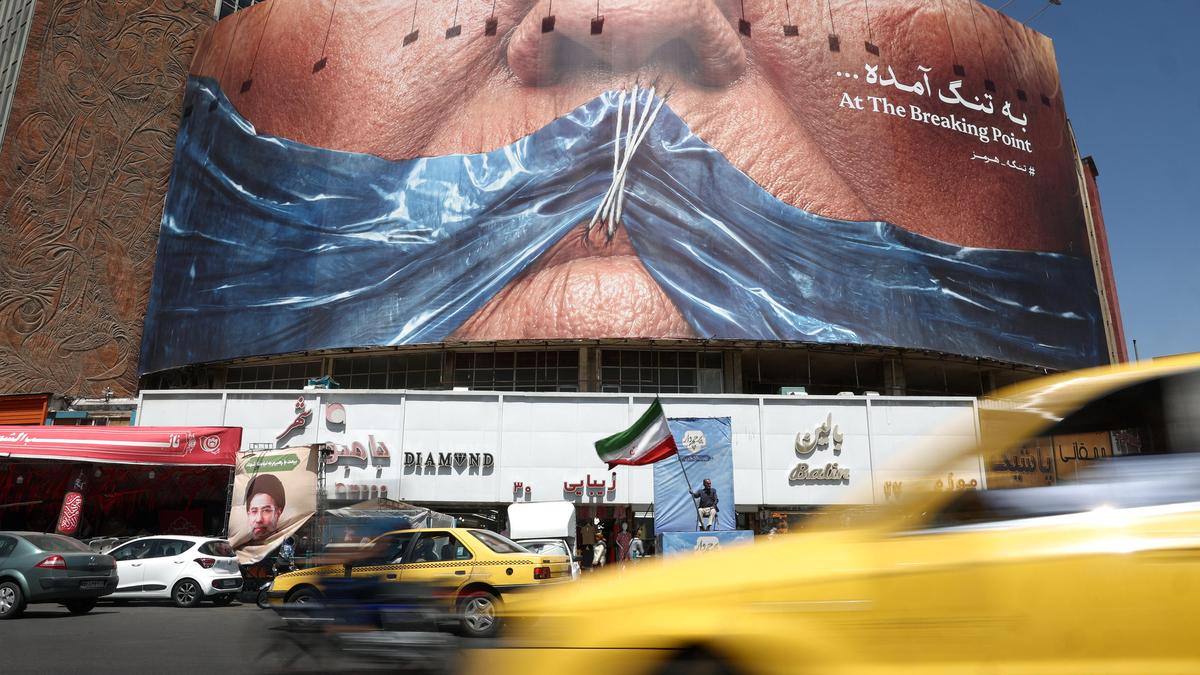
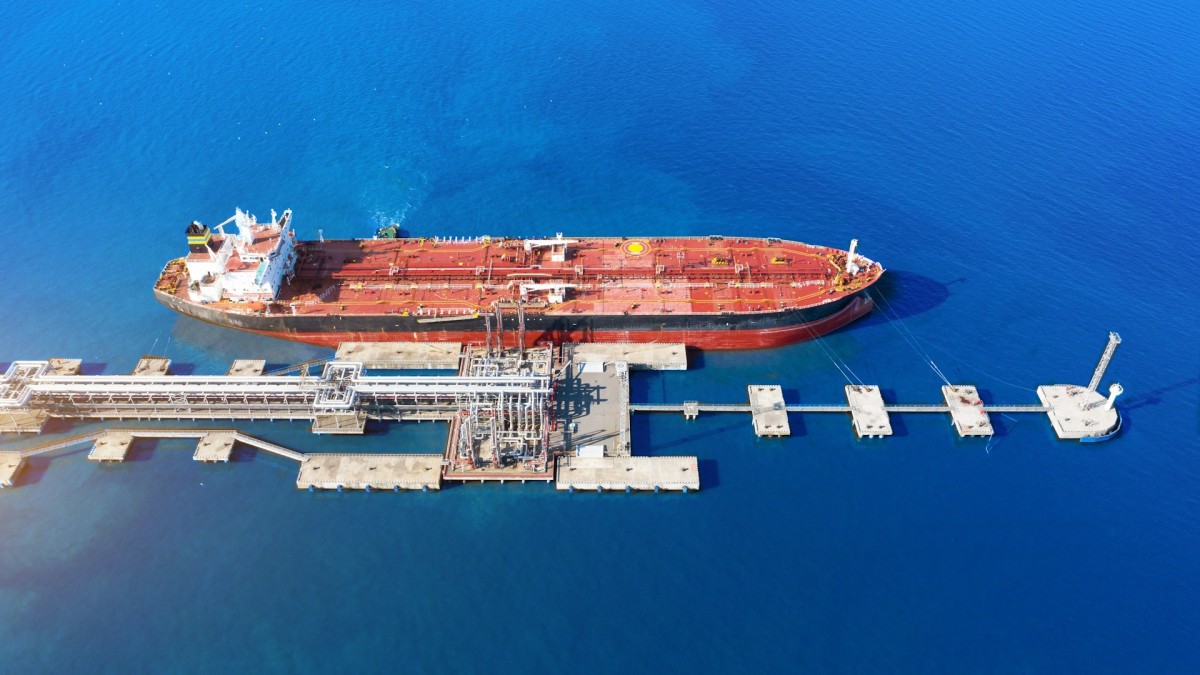
- Iran blocked the Strait of Hormuz, which carries around 20% of the world’s oil and LNG, doubling the price of a barrel of crude oil.
- United States faces higher fuel costs for American motorists if the Strait remains blocked, and continuing the conflict would cost billions in military spending.
- Rubinstein bargaining theory explains Iran’s leverage, noting that a side’s strength depends on how badly off it would be without a resolution and its impatience.
- China could create its own version of the Strait by leveraging its global manufacturing dominance, making other countries dependent on its products.
- European Union relies on its single market as a source of strength, but its negotiating position may weaken as growth shifts to China, India, and Indonesia.
- United Kingdom is expected to return to the European single market, which would affect its international negotiating power.
- United States and Russia have jointly campaigned for Viktor Orban’s re‑election in Hungary, illustrating the erosion of traditional alliances.
Why it matters: Iran gains leverage by threatening a waterway that fuels 20% of world energy, while the United States and its allies confront higher fuel costs and political pressure ahead of the November midterm elections, making the blockade a decisive lever in diplomatic negotiations.
Ask SkimNews