England onshore wind applications hit decade high post-ban — SkimNews

Get the Energy newsletter
Daily energy & climate — solar, EVs, oil, the policy fights and tech bets shaping the transition. Free.
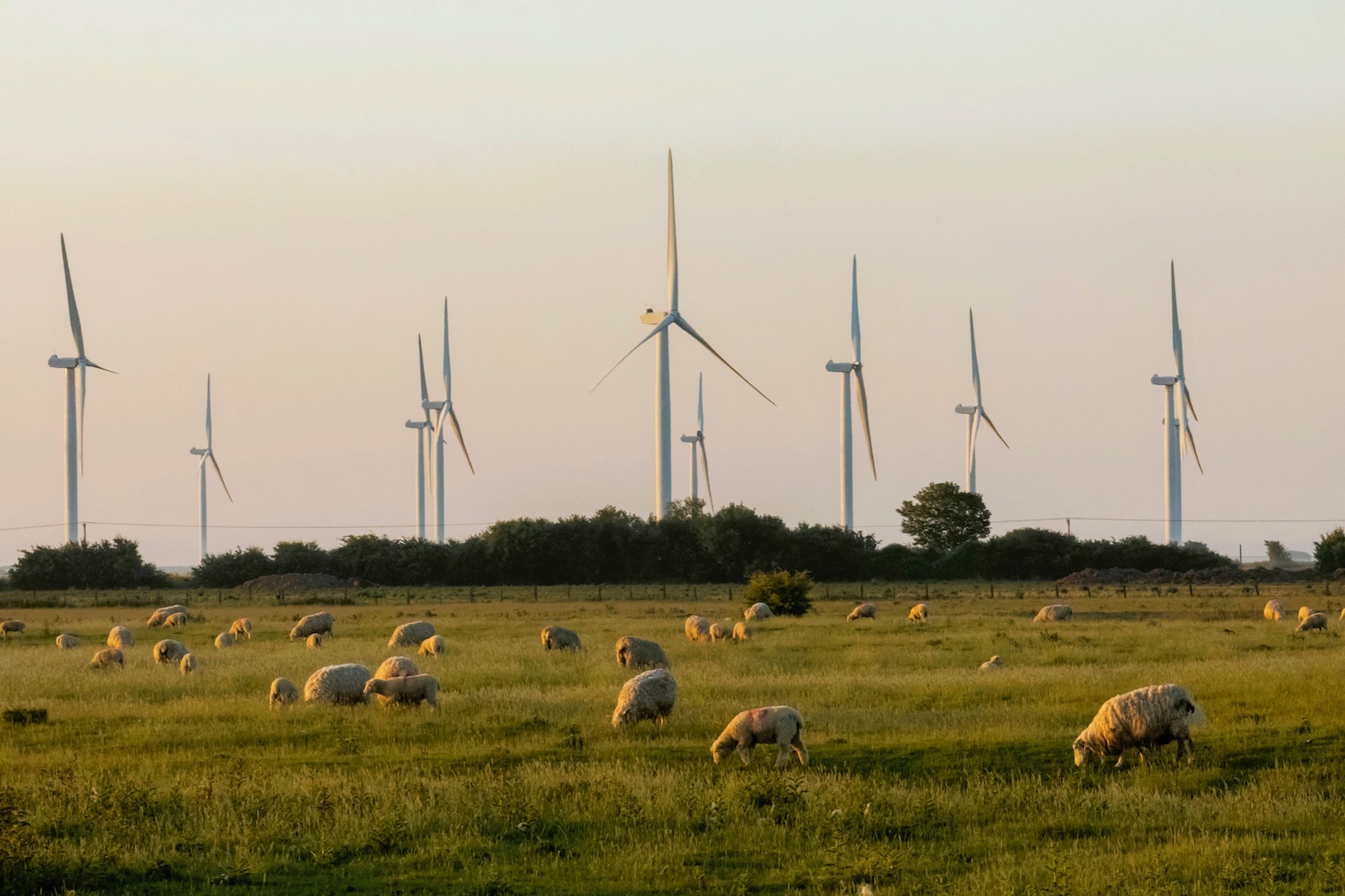
- England saw about 45 onshore windfarm applications submitted in the year to March — the highest annual level in a decade — after Labour overturned the Conservatives' de facto ban within days of taking power.
- Monthly onshore wind capacity entering England's planning system has more than tripled, from about 9MW before Labour's election win to roughly 36MW by early this year, up from a pre-loosening nadir of just 1MW a month.
- English windfarm proposals since the ban was lifted average just two turbines and 8MW of capacity, compared with Scottish proposals averaging nine turbines and 59MW, with only one English project above 100MW versus 18 in Scotland.
- Imerys' 20MW project near St Austell, Cornwall became the largest English onshore windfarm to secure a government subsidy since the ban was lifted earlier this year.
- RenewableUK CEO Tara Singh said onshore wind generates electricity at around half the cost of new gas-fired generation, and that community benefit funds of £5,000 per installed megawatt per year are flowing to local areas.
- The UK onshore wind supply chain could add up to £56bn to the economy by 2050, per RenewableUK data, with about 70% of developers' life-cycle spending occurring domestically.
Why it matters: The policy reversal is now translating into concrete planning submissions: 45 applications in a year to March, with monthly capacity tripled from about 9MW to 36MW. But England remains a minnow — its 438MW of proposed capacity since the ban was lifted is less than a tenth of Scotland's 5,280MW.
Ask SkimNews