Bangladesh FM Khalilur Rahman Splits UNGA, National Roles at BRICS — SkimNews

Get the Geopolitics newsletter
Daily geopolitics — wars, elections, sanctions, the diplomatic moves that move markets. Free.
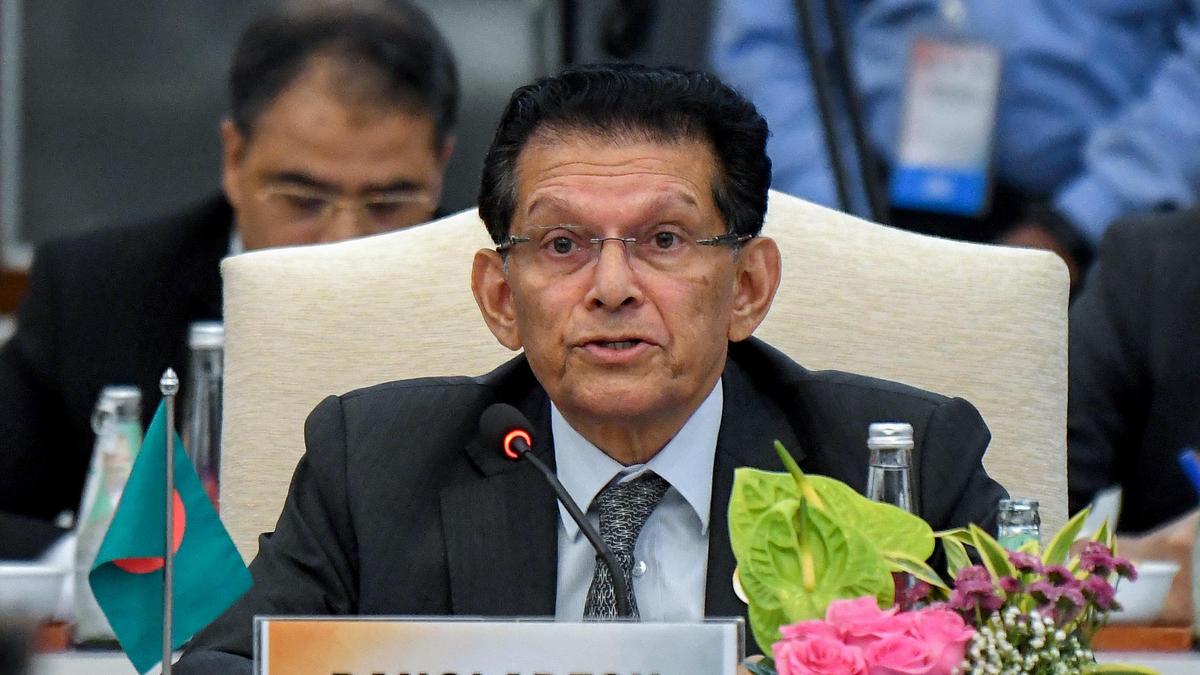
- Khalilur Rahman, sworn in September 8, 2026 as President of the UN General Assembly's 81st session, told reporters to direct questions about bilateral issues to him in his capacity as Bangladesh's Foreign Minister, not as UNGA President.
- India has invited Prime Minister Tarique Rahman to the BRICS Summit's outreach session in New Delhi on September 12-13 in his role as current BIMSTEC chair, but Bangladesh's MEA confirmed no update from Dhaka on the PM's participation.
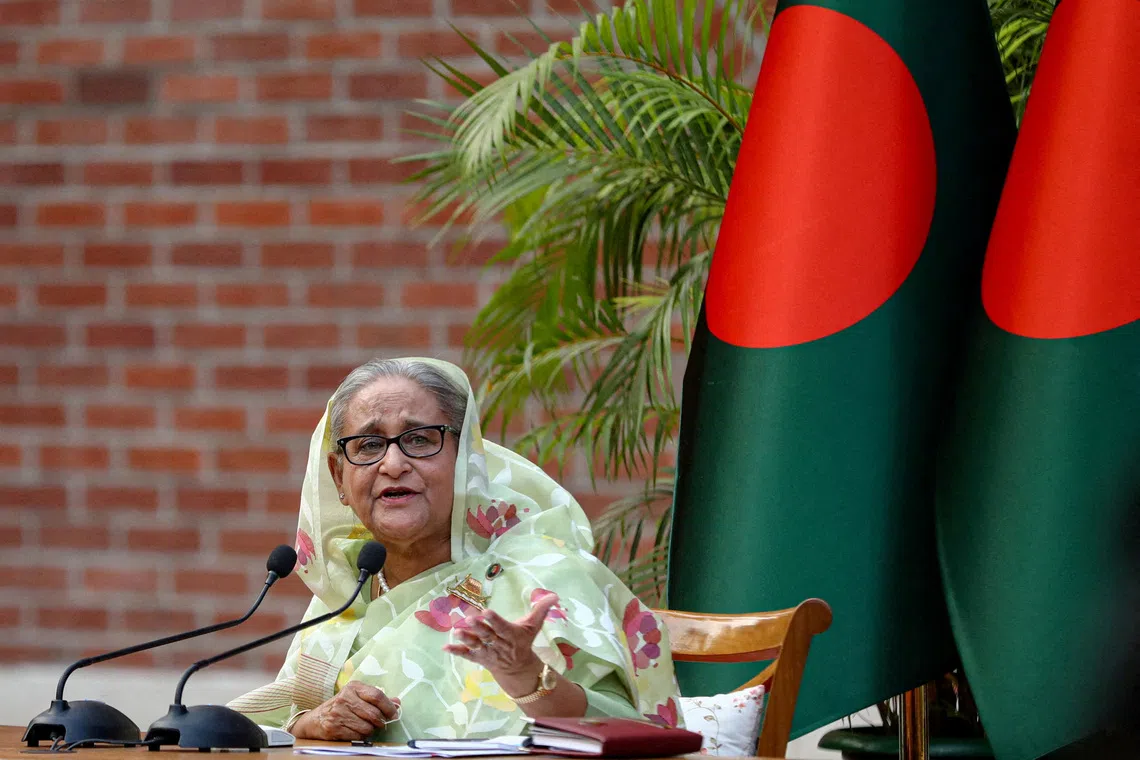
- Bangladesh's potential attendance is shadowed by strained India-Bangladesh ties following New Delhi's decision to grant political asylum to former Prime Minister Sheikh Hasina, who fled after a youth-led uprising ousted her in August 2024.
- The BRICS Summit agenda is expected to cover the economic fallout from the West Asia crisis; the grouping now includes 11 economies — the original five plus Egypt, Ethiopia, Iran, UAE (2024) and Indonesia (2025) — representing roughly 49.5% of the world's population and 40% of global GDP.
- BIMSTEC, the Bay of Bengal Initiative grouping Bangladesh, India, Sri Lanka, Thailand, Myanmar, Nepal, and Bhutan, is the institutional vehicle through which India issued the summit invitation to Dhaka.
- Rahman's careful role-splitting signals Dhaka's diplomatic balancing act between its BRICS outreach obligations and its testy bilateral relationship with the summit host.
- India is hosting the summit as BRICS's current chair, making the Bangladesh participation question a politically loaded bilateral signal rather than a routine attendance matter.
Why it matters: Rahman's deliberate separation of UNGA and FM hats signals that Dhaka won't be rushed into a public answer on bilateral friction with the BRICS host. With India-Bangladesh ties already strained over the Hasina asylum decision, a no-show or a low-level delegation would be read as a diplomatic rebuke, while attendance would be seen as a thaw — making the participation call a tightly watched barometer of South Asian diplomatic temperature.
Ask SkimNews