Modi Urges Austerity as LPG Prices Surge 48%
SkimNews Take
Modi's call for voluntary austerity, while framed as a national effort, effectively shifts the burden of managing global energy price shocks onto individual citizens.
Get the Geopolitics newsletter
Daily geopolitics — wars, elections, sanctions, the diplomatic moves that move markets. Free.
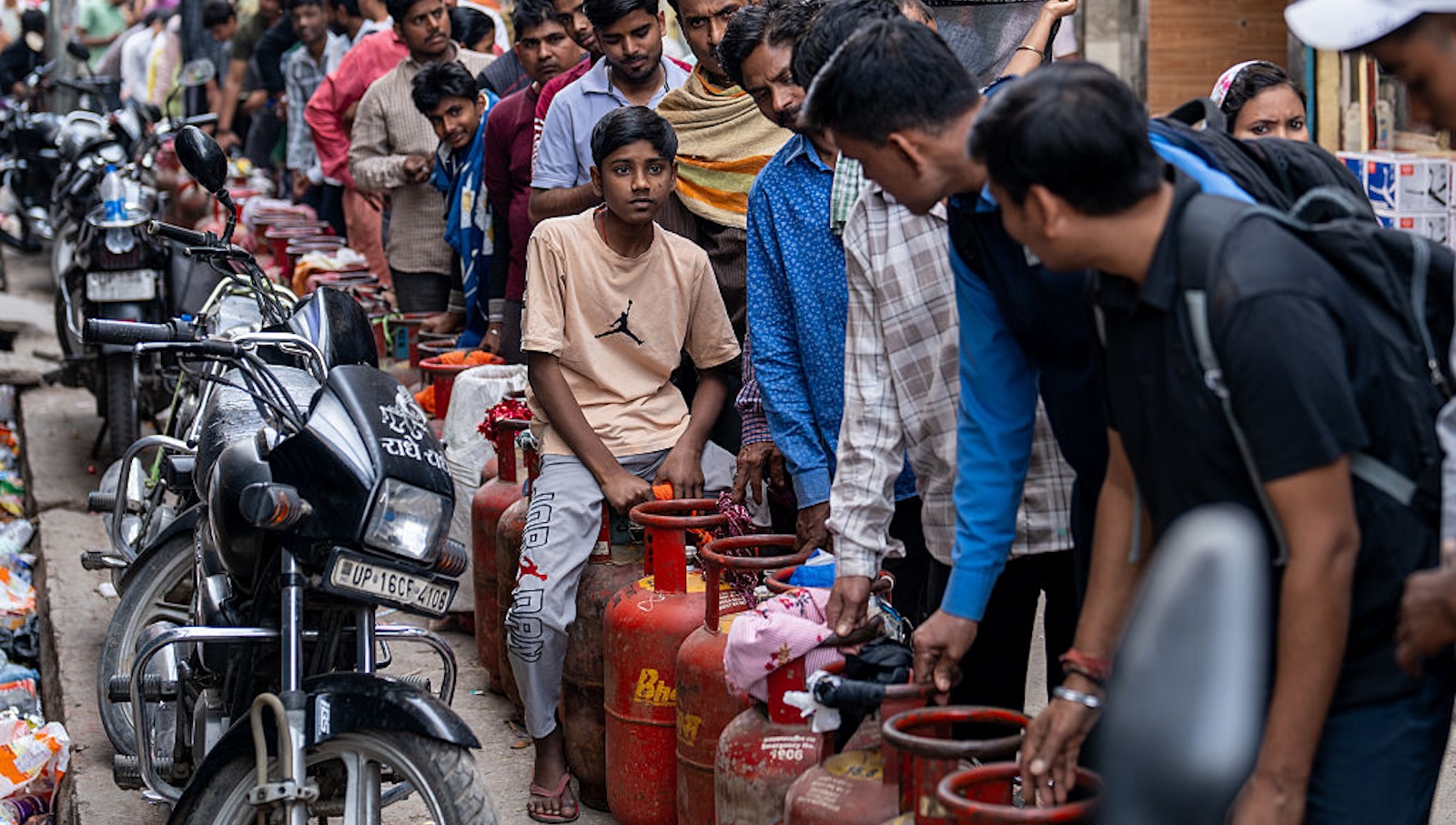
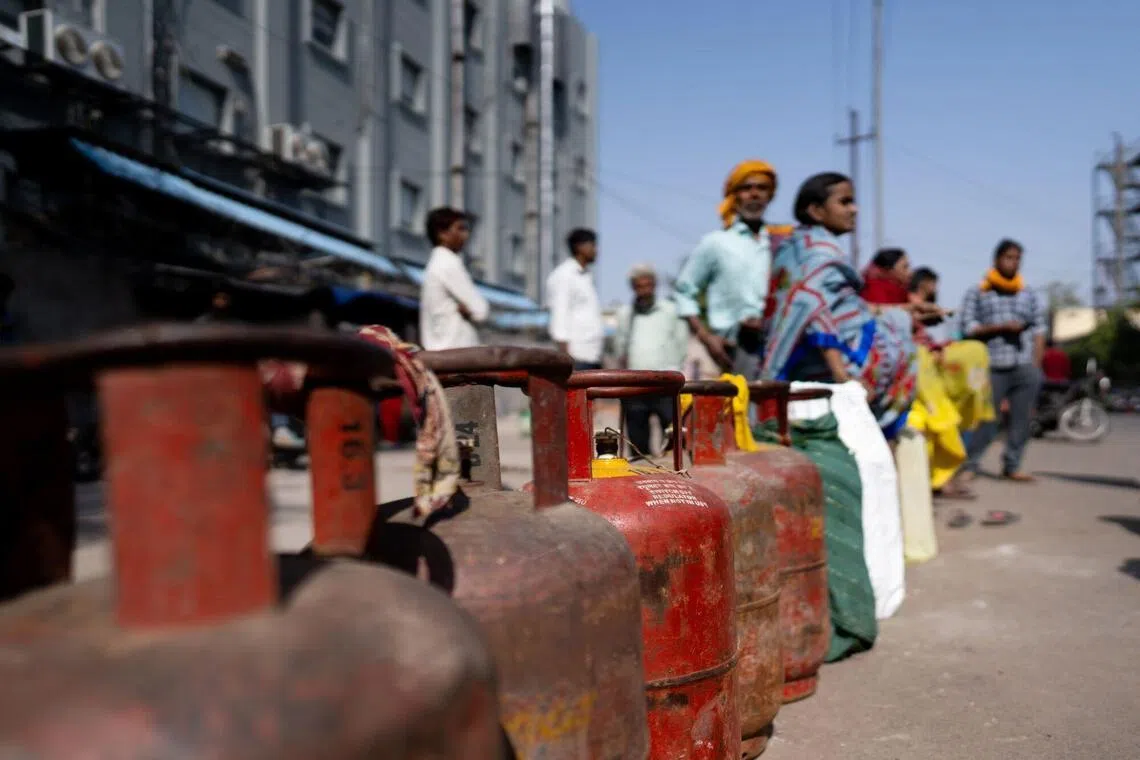
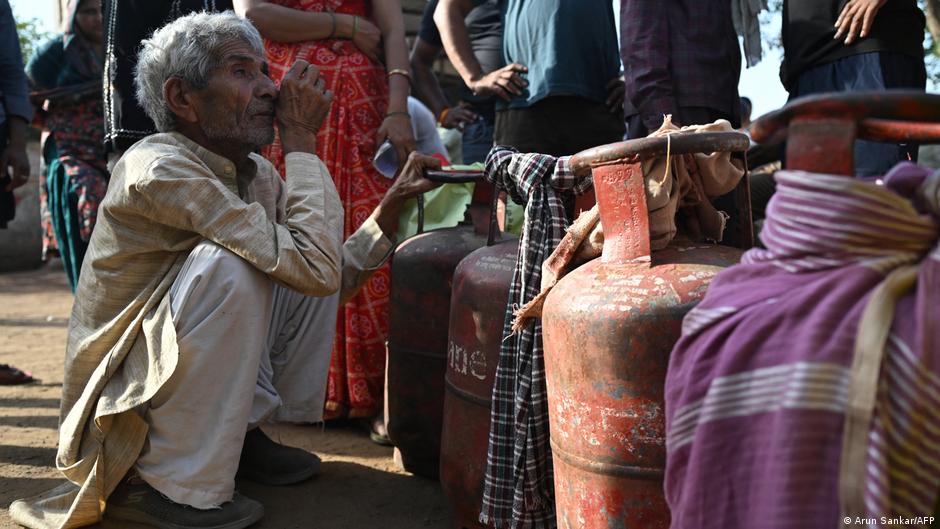
- LPG cylinder price rose about 48% from roughly 2,078 rupees to 3,071 rupees in three months, eroding margins for small eateries.
- Prime Minister Narendra Modi urged voluntary austerity at a Secunderabad rally, asking citizens to cut fuel use, work from home, postpone travel, avoid imports, and delay gold purchases.
- State‑run oil distributors are losing roughly $105 million (€97 million) each day as they absorb rising costs from the Strait of Hormuz disruption.
- India's foreign exchange reserves fell by nearly $38 billion in two months as the import bill widened sharply due to higher crude prices.
- Economist Lekha Chakraborty warned that rising commercial LPG costs will transmit to retail prices, compress household consumption, and hit lower‑income groups hardest.
- Rahul Gandhi accused the government of shifting the burden onto citizens and called the austerity appeal an admission of failure; Samajwadi Party president Akhilesh Yadav echoed the criticism, while the BJP framed the measures as collective responsibility.
Why it matters: The appeal places the cost of soaring energy on ordinary citizens and small merchants, while state‑run oil firms lose $105 million daily and the rupee’s reserves shrink $38 billion, highlighting how external oil shocks translate into household strain and fiscal pressure for the government.
Ask SkimNews