Iran war sparks India LPG crisis, 600% price surge — SkimNews
Get the Energy newsletter
Daily energy & climate — solar, EVs, oil, the policy fights and tech bets shaping the transition. Free.
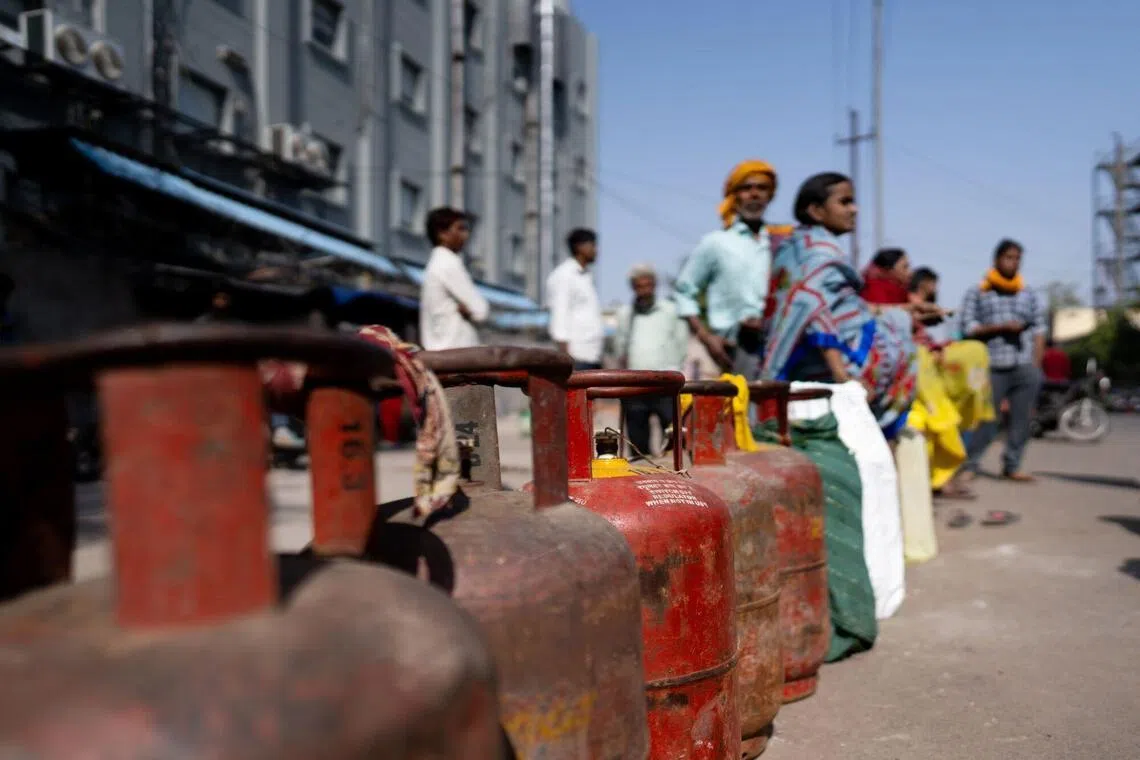
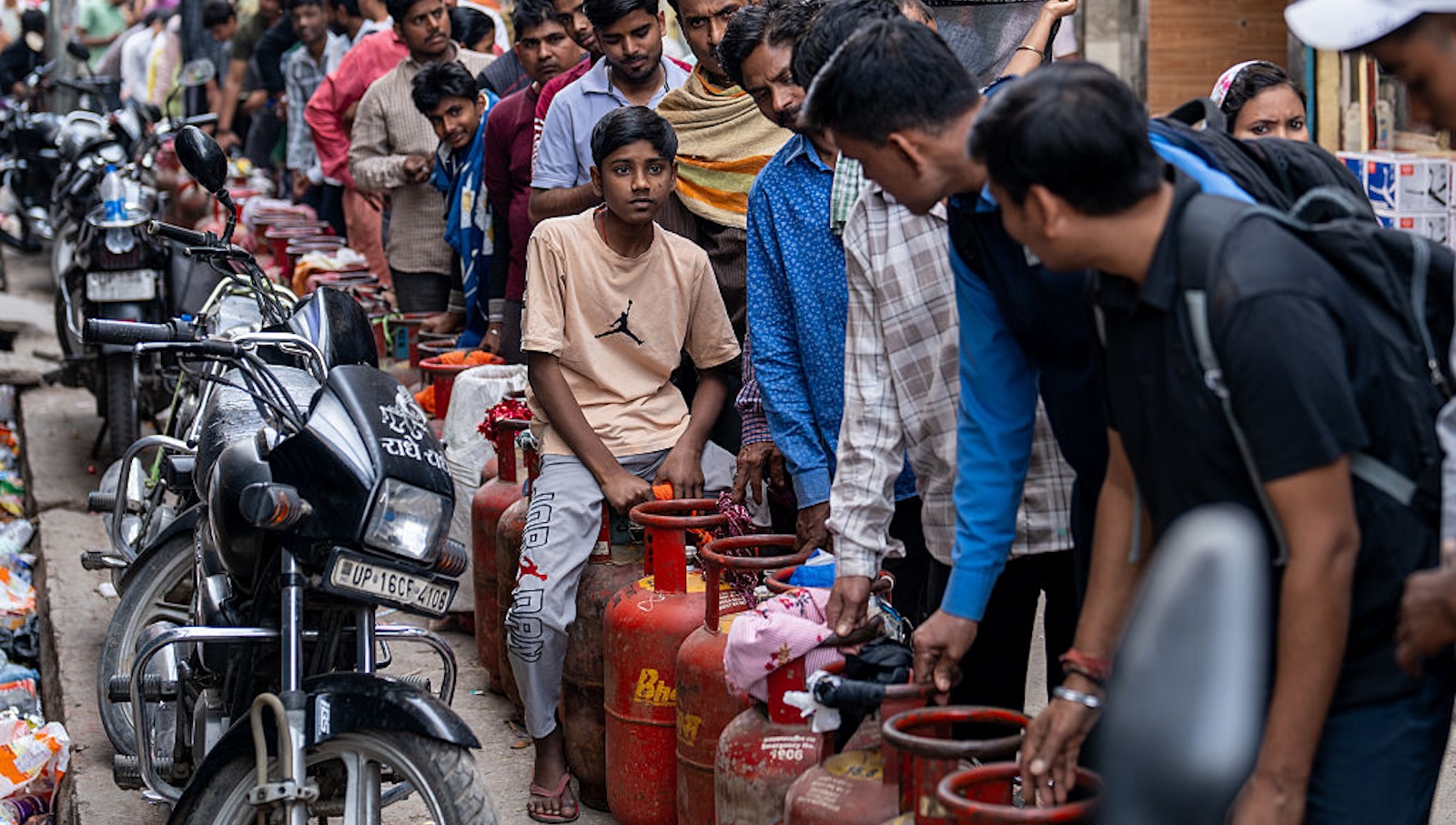
- Subhash Kapoor, a driver in Noida, was forced to buy an LPG cylinder for Rs. 3,600 (about $39) on the black market — more than triple his usual Rs. 900 price — after the Strait of Hormuz shutdown cut cooking gas supplies in early March.
- India imports roughly 60% of its LPG, with 90% of those imports coming from the Middle East, making it the world's second-largest LPG importer; Delhi-area black-market cylinder prices spiked 600% and gas agencies sent false 'allotment picked up' texts to households.
- Restaurants, hospital kitchens, school cafeterias, and Mumbai street food vendors have closed or stripped gas-heavy dishes like butter chicken and dosa from menus, with street vendors hiding black-market cylinders in gunny sacks for fear of seizure.
- Lower-income rural households are reverting to burning wood, coal, charcoal, and food scraps, exposing women and children to indoor air pollution linked to heart and respiratory disease, according to Chelsea Marcho of the Food Security Leadership Council.
- Global food commodity prices rose in March for a second consecutive month due to energy inflation from the war, and the FAO warns pronounced effects on food supply and costs could persist through 2027 if the conflict stretches beyond 40 days.
- Cornell economist Chris Barrett warns Thailand, Sri Lanka, Pakistan, the Philippines, and Indonesia will see similar LPG shortages, while food-insecure African nations including Senegal, Zimbabwe, and Malawi face severe compounding risks; he argues the crisis could ultimately accelerate the clean energy transition in vulnerable regions.
- President Trump said in a televised address that talks with Iran are ongoing but declined to specify when the war will end, declaring 'We are going to hit them extremely hard over the next two to three weeks.'
Why it matters: The 600% black-market price surge in Delhi hits India's working-class LPG-dependent families hardest, while rural households — predominantly women and children — face the greatest health cost from reverting to solid-fuel cooking, reversing a decade of India's clean-cooking progress and threatening food security in multiple African and Asian nations if the Hormuz closure persists past 40 days.
Ask SkimNews