US EV Fast Charging Enters 'Charging 2.0' as Port Growth Slows
Get the Energy newsletter
Daily energy & climate — solar, EVs, oil, the policy fights and tech bets shaping the transition. Free.
- US public DC fast-charging added 4,382 new ports in Q2 2026, a 10% decline from 4,865 in the same quarter of 2025, while first-half 2026 deployments (7,903) trailed first-half 2025 (8,532) by 7.4%.
- Tesla led the quarter with 1,185 new ports—27% of all US fast-charging installations—and continues building differently, averaging 12.1 ports per new station versus 4.4 at non-Tesla sites, which averaged 3.6 a year ago.
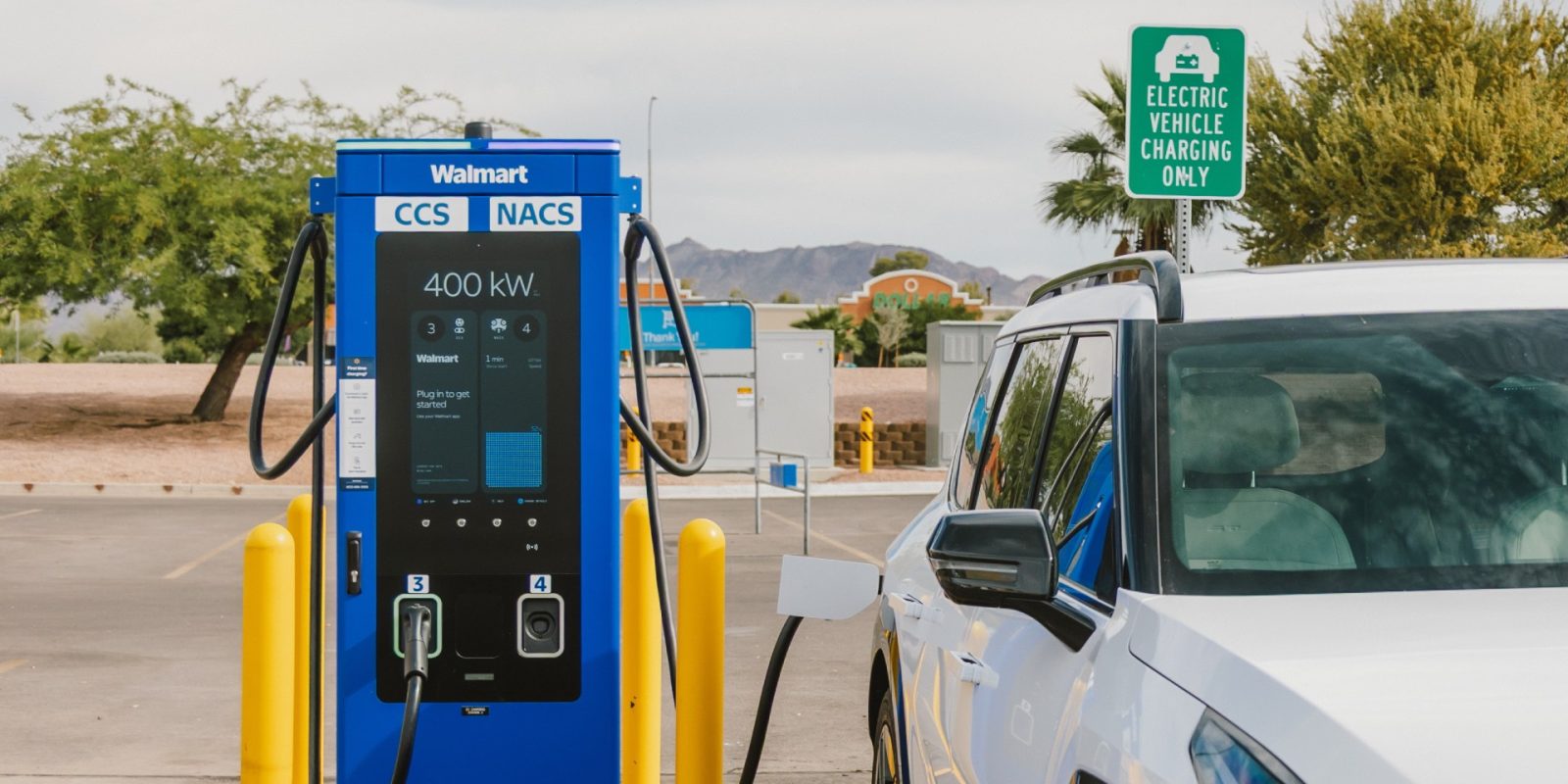
- Walmart, ChargePoint, and Red E followed with 368, 333, and 315 new ports respectively, while newer networks—Ionna, Mercedes-Benz High-Power Charging, and Pilot Flying J—are rapidly building nationwide footprints as legacy operators like Electrify America and EVgo concentrate in existing markets.
- Charging demand surged with sessions up 3.5 million year-over-year (a 29% jump), but sessions per port and overall utilization stayed flat, meaning new capacity is keeping pace with the growing EV fleet rather than outstripping it.
- Speeds and reliability both improved: 72% of new Q2 ports deliver at least 250 kW, the average reliability score rose from 93.6 to 93.8, and the average fast-charging price held steady at $0.538/kWh (ranging from $0.428 in Nebraska to $0.856 in Hawaii).
- The NACS transition is accelerating, with newer providers installing roughly equal CCS and NACS connectors—creating a competitive disadvantage for operators slow to add NACS, especially as nearly every new EV now ships with a native NACS port.
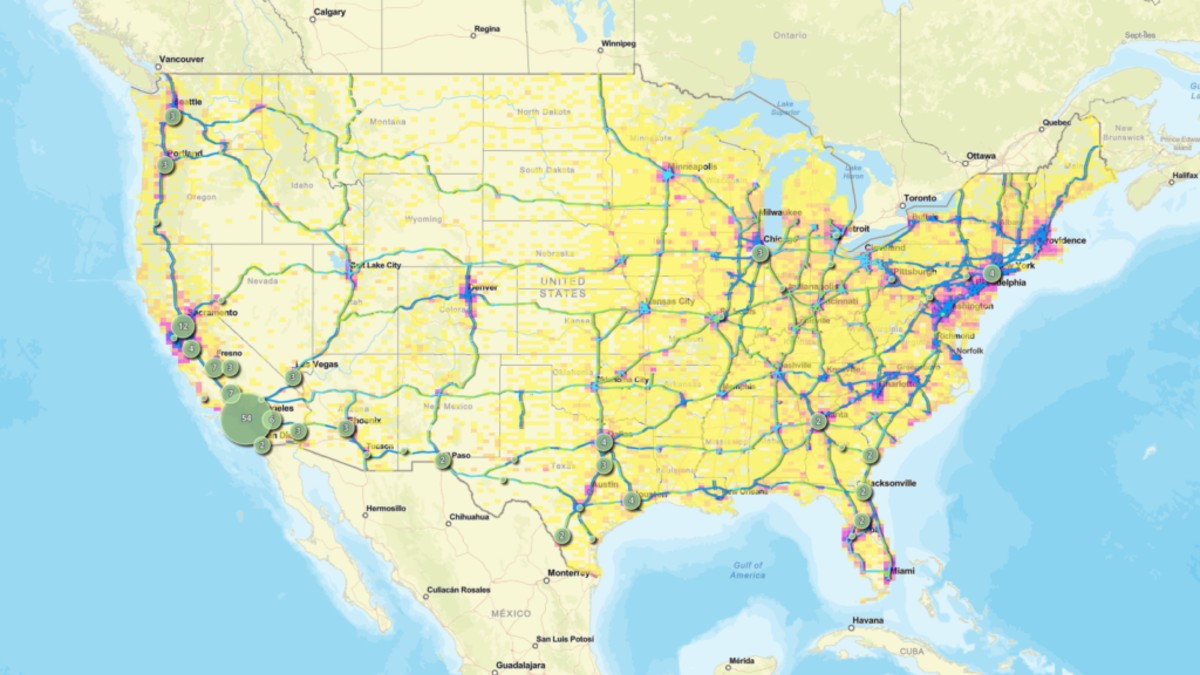
- Geographic concentration remains pronounced: about 4 in 5 of the 806 new stations opened in Q2 are in cities and suburbs, with California, Texas, Florida, Illinois, and New York accounting for 40% of all new stations and California alone representing 1 in 7.
Why it matters: The 10% decline in new port installations alongside a 29% jump in charging sessions signals a turning point: investors and operators are now prioritizing operational efficiency and profitability over raw buildout, and networks that combine NACS connectors, reliable uptime, and urban density will capture the next phase of demand. Operators clinging to CCS-heavy legacy infrastructure risk losing customers as the connector standard flips.