Iran, U.S. Trade Threats After Houthi Strikes on Riyadh — SkimNews

Get the Geopolitics newsletter
Daily geopolitics — wars, elections, sanctions, the diplomatic moves that move markets. Free.
- Trump told Fox News Iran's leaders should 'make a deal, rot economically or be wiped out,' while separately saying he'd be open to meeting Iranian President Masoud Pezeshkian at the UN General Assembly in New York this week.
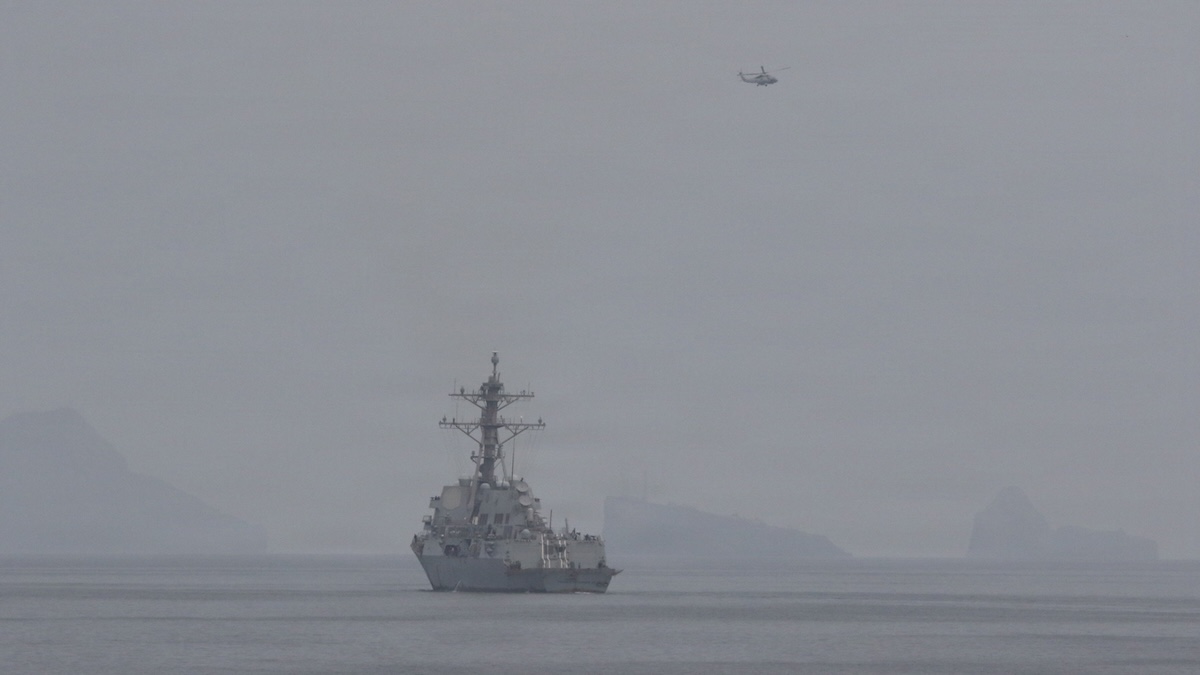
- Iran's military central command warned any new attack would trigger sustained retaliation against U.S. bases and interests, with Washington's regional allies to be considered parties to the conflict, and claimed it had intelligence an attack was being prepared.
- Houthis launched missile and drone strikes at Saudi Arabia's capital Riyadh on Saturday, with Reuters video showing a black smoke plume near the city's main international airport; the U.S. State Department issued a security alert warning of unforeseen escalation.
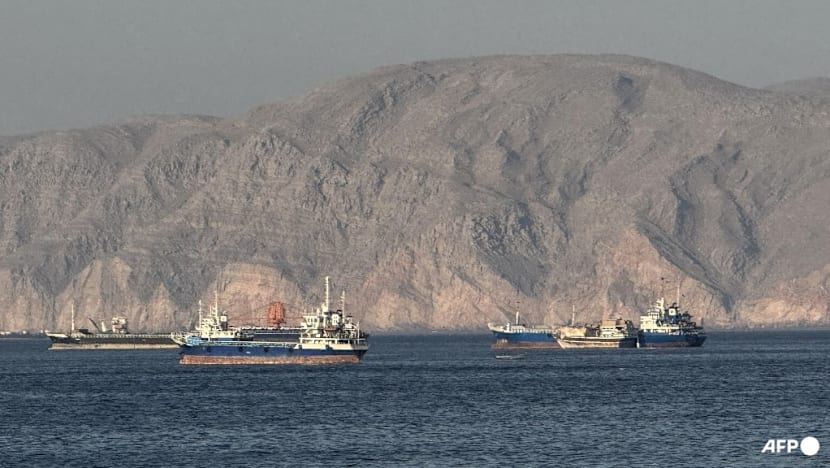
- Houthi coastal gains in Yemen place their forces on the Bab el-Mandeb Strait, adding a potential second blockade on top of Iran's Strait of Hormuz closure and cutting Gulf oil exports from global markets, adding pressure on oil prices.
- A U.S. blockade of Iranian ports is preventing Iran from selling its own oil, contributing to major problems in Iran's economy; an interim June ceasefire fell apart in July and Iran reiterated Sunday it will not reopen Hormuz until those terms are met.
- Iranian Parliament Speaker Mohammad Baqer Qalibaf said Iran must keep fighting as well as negotiating in order to push back its enemies and consolidate any gains through diplomacy.
Why it matters: Gulf energy exports are now almost entirely cut off from global markets—via Iran's Hormuz blockade, a U.S. port blockade on Iranian oil, and fresh Houthi positioning on Bab el-Mandeb—pushing upward pressure on oil prices while cratering Iran's economy and leaving U.S. Gulf allies exposed to Iranian fire despite no warning before the Feb. 28 war began.
Ask SkimNews