Trump's Russian Diesel Deal Fails to Move U.S. Prices — SkimNews
Get the Geopolitics newsletter
Daily geopolitics — wars, elections, sanctions, the diplomatic moves that move markets. Free.
- U.S. Energy Information Administration data put diesel at $6.35 a gallon on Monday, just below the September record of $6.53, as Russia's seaborne crude exports reached their highest weekly value since the full-scale invasion.
- Zelenskyy said Trump's claim that Ukrainian refinery strikes caused U.S. price rises is "completely untrue," pointing to federal data showing diesel jumped nearly 25% in a week to $4.86 after U.S. and Israeli strikes on Iran began Feb. 28, and that Russia's 2.2% share of global diesel supply is negligible.
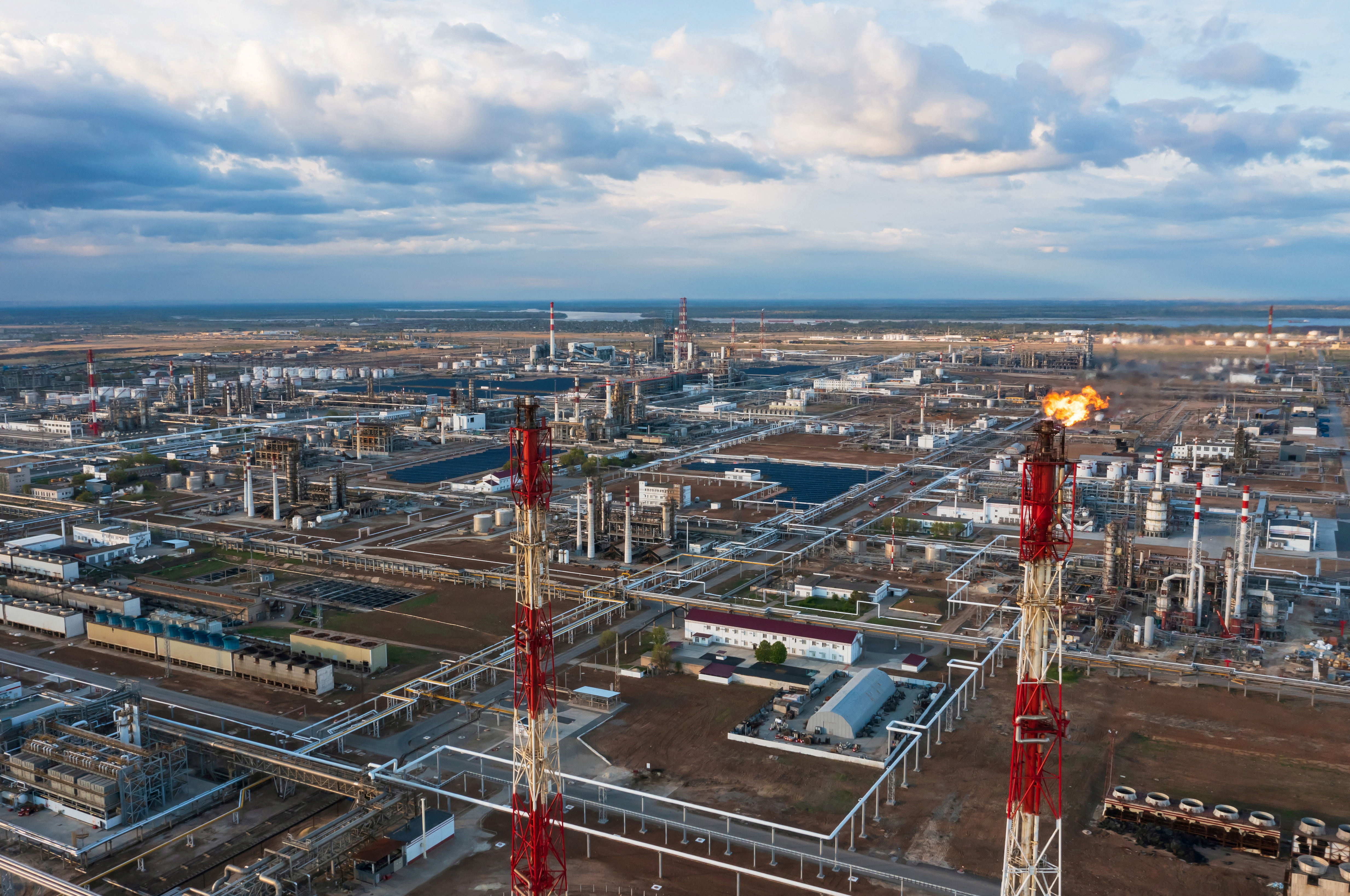
- International Energy Agency said on Oct. 14 that easing Russia's diesel export ban is unlikely to materially change global supplies because Russia lacks working refinery capacity, and its Sept. 17 analysis found Russian diesel production down nearly 30% as refinery attacks intensified; Russian Deputy Foreign Minister Georgy Borisenko said full market stabilization requires normalizing the Persian Gulf.
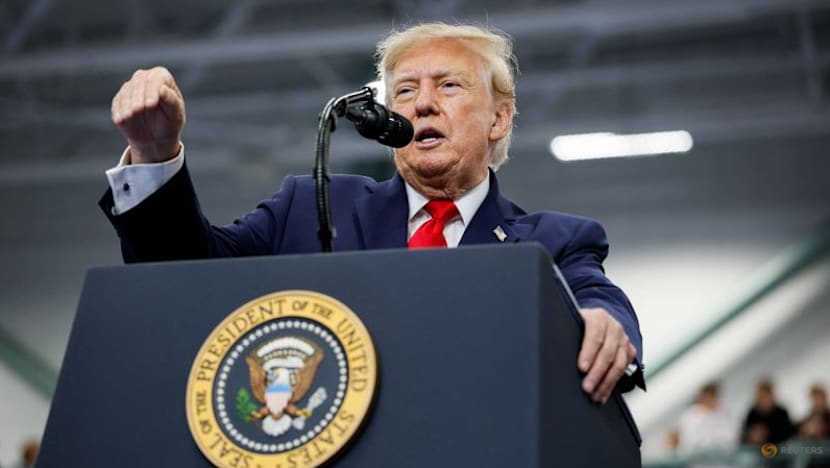
- Trump eased sanctions on Russian diesel after an Oct. 9 call with Vladimir Putin, writing on Truth Social that Russia would supply "hundreds of thousands of tons" immediately and that prices would come down "IN RECORD NUMBERS, AND FAST!"; the same day, Steve Witkoff and Jared Kushner told Ukrainian negotiators in Miami that the White House hoped the deal would soften Moscow's stance on peace talks, and Carnegie and ISW analysts say the agreement hands Putin economic cooperation with Washington before any Ukraine settlement.
- Ukraine paused refinery strikes at Trump's request but resumed them after Russia kept hitting its energy grid — "We're done," Zelenskyy told the Financial Times on Oct. 15 — and accused Washington of withholding missile warnings and throttling Starlink, which Trump denied and which were restored by Saturday, before Russia fired 16 ballistic missiles and more than 280 drones overnight; the U.N. Independent International Commission of Inquiry on Ukraine concluded Russian authorities committed war crimes and crimes against humanity through attacks on Ukraine's energy infrastructure.
- McConnell and Cornyn were among 12 senators from both parties who wrote Trump on Oct. 13 that the deal will have a "negligible impact on fuel prices" and is "a gift to our adversary and a betrayal of our Allies," two days after four Republicans and three Democrats urged the administration to "immediately reverse course" ahead of Nov. 3 midterms, with 54% of registered voters calling energy policy "very important."
- Goldman Sachs estimated the first two months of Russian deliveries would cut U.S. Gulf Coast wholesale diesel prices by just $1 to $2 a barrel — roughly 2 to 5 cents a gallon — while CNBC reported the first shipment equals about 2% of U.S. diesel demand over a month; separately, Russia's seaborne crude shipments hit a wartime-high $2.76 billion, up roughly $430 million from the week before, and Gulf diesel exports fell to 390,000 barrels a day in August, just over a quarter of prewar levels.
Why it matters: Russia's seaborne crude shipments hit a wartime-high $2.76 billion this week, up $430 million, while the first diesel shipment equals 2% of U.S. demand over a month and Goldman Sachs puts Gulf Coast relief at 2 to 5 cents a gallon. Moscow books cash and leverage; U.S. consumers see little, and Kyiv's refinery-strike leverage is the real casualty.
Ask SkimNews