Young Gut Exosomes Reverse Age-Related Metabolic Damage — SkimNews
SkimNews Take
The gut microbiome's influence on aging extends beyond direct microbial activity to the signaling molecules they produce, suggesting a complex intercellular communication network mediates systemic health.
Get the Health newsletter
Daily health & science — research, biotech, public health, the studies worth knowing. Free.
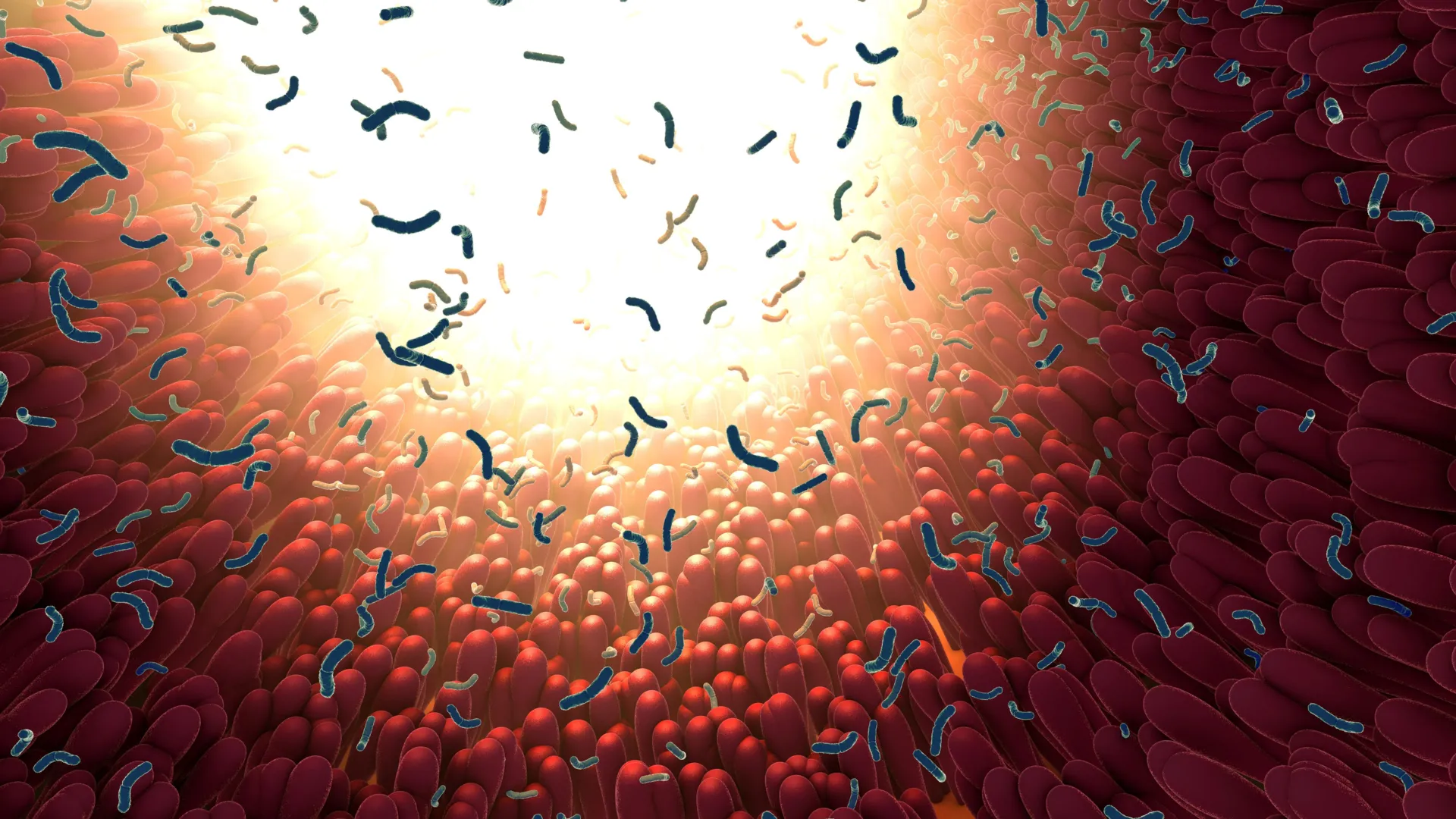
- Marshall University researchers discovered that gut luminal exosomes from older animals contain molecular signals linked to insulin resistance, inflammation, and gut‑barrier damage.
- Exosomes from older animals transferred into young mice induced metabolic and inflammatory changes similar to those seen in aged animals.
- Exosomes from young animals administered to older mice reduced several age‑related metabolic problems, including insulin resistance and gut‑barrier leakage.
- Abdelnaby Khalyfa said the findings clarify how physiological stressors tied to aging accelerate disease processes and highlight new therapeutic targets.
- Study suggests that a compromised gut barrier allows inflammatory substances to leak into the bloodstream, raising the risk of heart disease and metabolic disorders.
Why it matters: Patients with age‑related metabolic and inflammatory diseases could benefit from therapies targeting gut exosomes, while biotech firms may gain a novel drug target, potentially lowering healthcare costs linked to chronic aging disorders.
Ask SkimNews