Malaysia Invites Myanmar Junta Leader for Rohingya Repatriation — SkimNews

Get the Geopolitics newsletter
Daily geopolitics — wars, elections, sanctions, the diplomatic moves that move markets. Free.
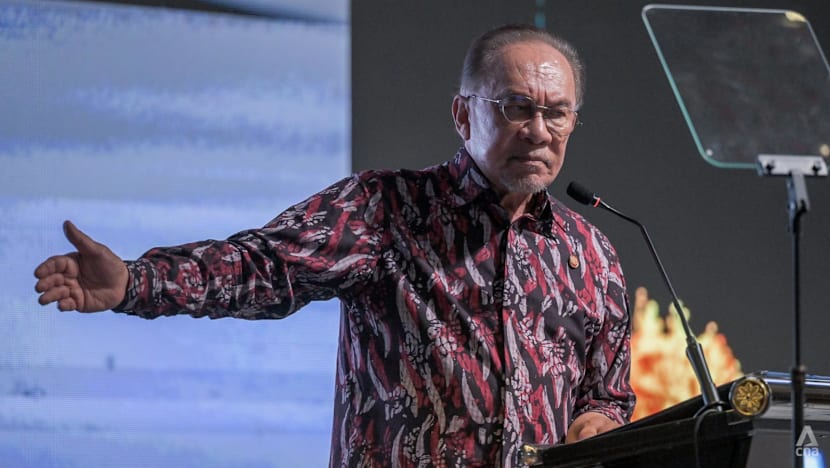
- Anwar Ibrahim invited Myanmar's Min Aung Hlaing for an official visit to Malaysia, conditioned on Myanmar agreeing to take back Rohingya citizens currently in the country, saying 'Myanmar must accept them back.'
- If the trip occurs, Malaysia would become the fifth ASEAN state to host Min Aung Hlaing since April — and the first from maritime Southeast Asia, a bloc that has generally been more critical of Myanmar's junta than mainland ASEAN members.
- Anwar said Malaysia's government is ultimately planning to return 200,000 people to Myanmar, potentially in stages if Myanmar cannot absorb them all at once.
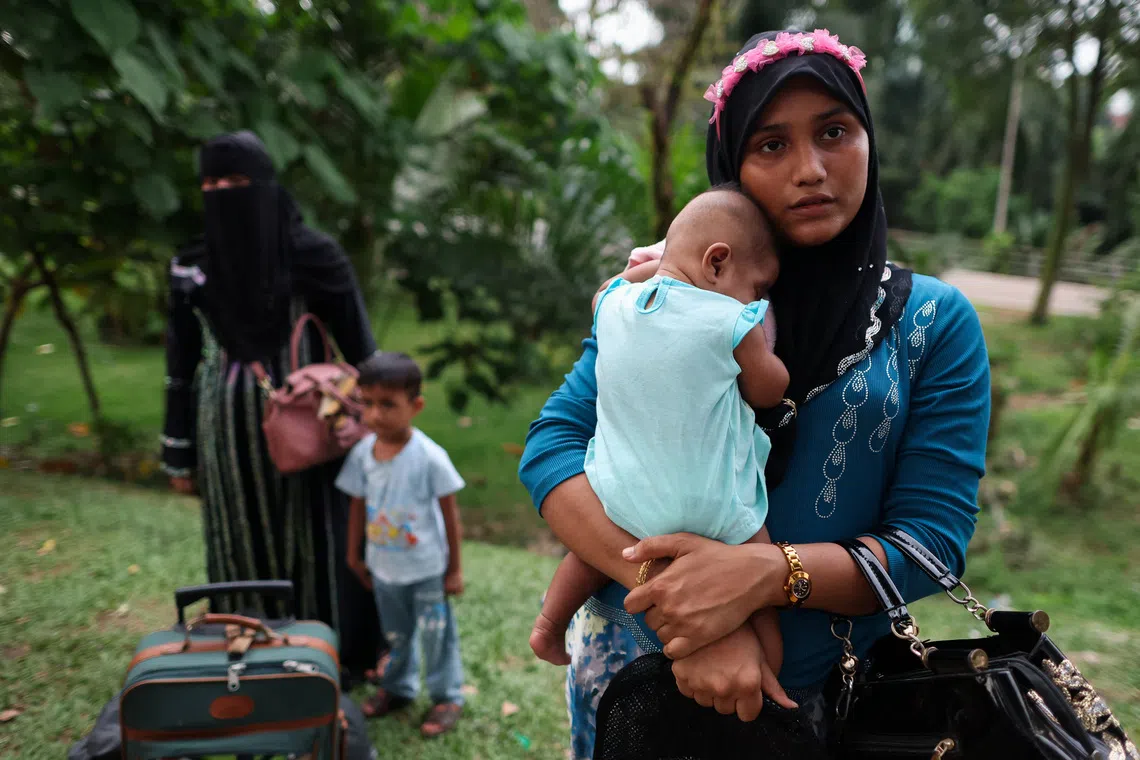
- The first 1,476 Rohingya refugees are scheduled for repatriation on September 29 aboard two Myanmar Navy warships and a hospital ship, as part of a deal covering 5,000 of approximately 10,388 Myanmar nationals held in Malaysian immigration detention depots.
- UNHCR has raised concerns about whether returns can be considered 'voluntary,' stating that ongoing conflict and repression make it difficult to guarantee refugees' safe return.
- Most of Rakhine State, including the northern townships of Maungdaw and Buthidaung where Rohingya formerly lived, is now controlled by the Arakan Army — not Myanmar's central government — undermining Naypyidaw's authority to negotiate where the refugees would actually be resettled.
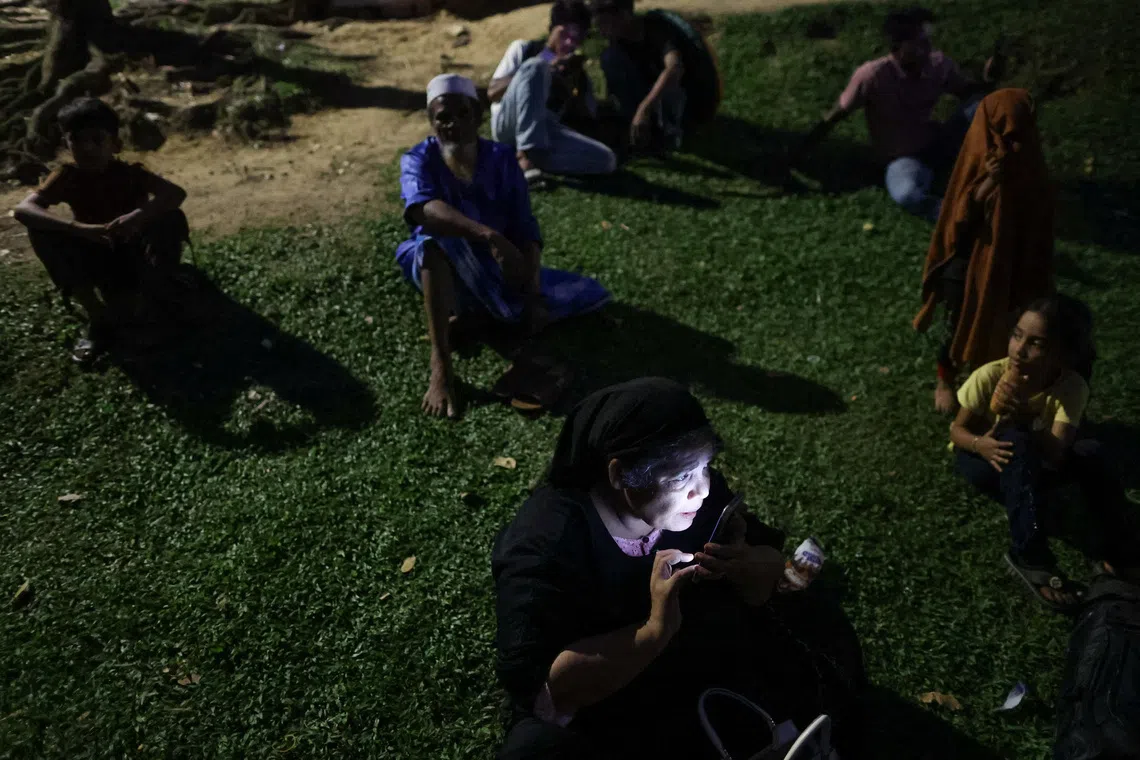
- Approximately 126,000 Rohingya asylum seekers are registered with UNHCR in Kuala Lumpur, roughly half the agency's global total, though Malaysia does not recognize them as refugees.
Why it matters: The repatriation deal rests on a factual gap the article exposes but most coverage glosses: most of Rakhine State, including the Rohingya homeland, is controlled by the Arakan Army, not Min Aung Hlaing. Even if Anwar's diplomatic gambit succeeds and Naypyidaw signs on, the September 29 return of 1,476 people — and the broader 200,000-person plan — face the unresolved question of who actually governs the territory they're being sent back to.
Ask SkimNews