AEP secures 13 GW of gas turbines as generation ‘central’ to growth plans — SkimNews
Get the Energy newsletter
Daily energy & climate — solar, EVs, oil, the policy fights and tech bets shaping the transition. Free.
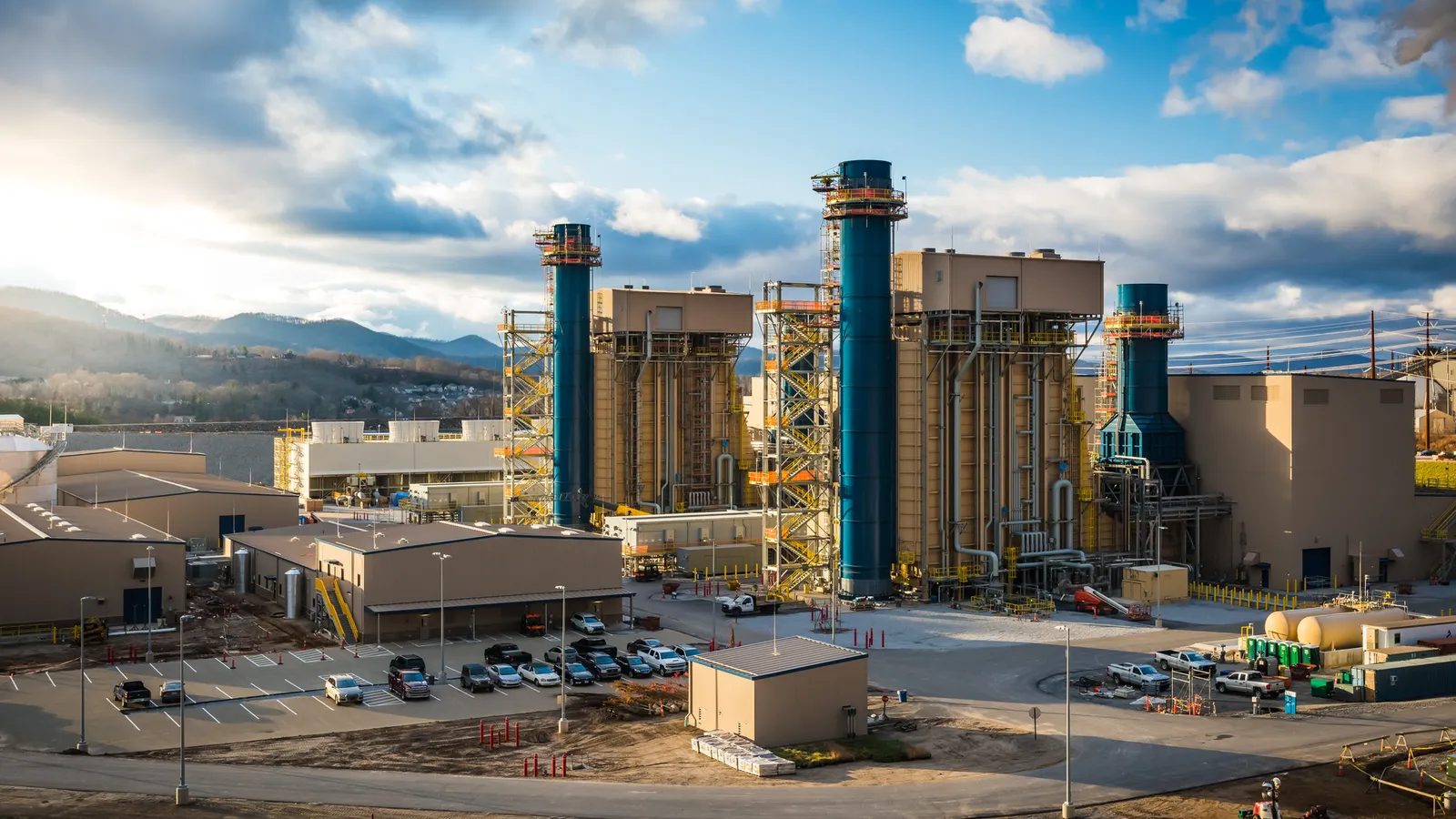
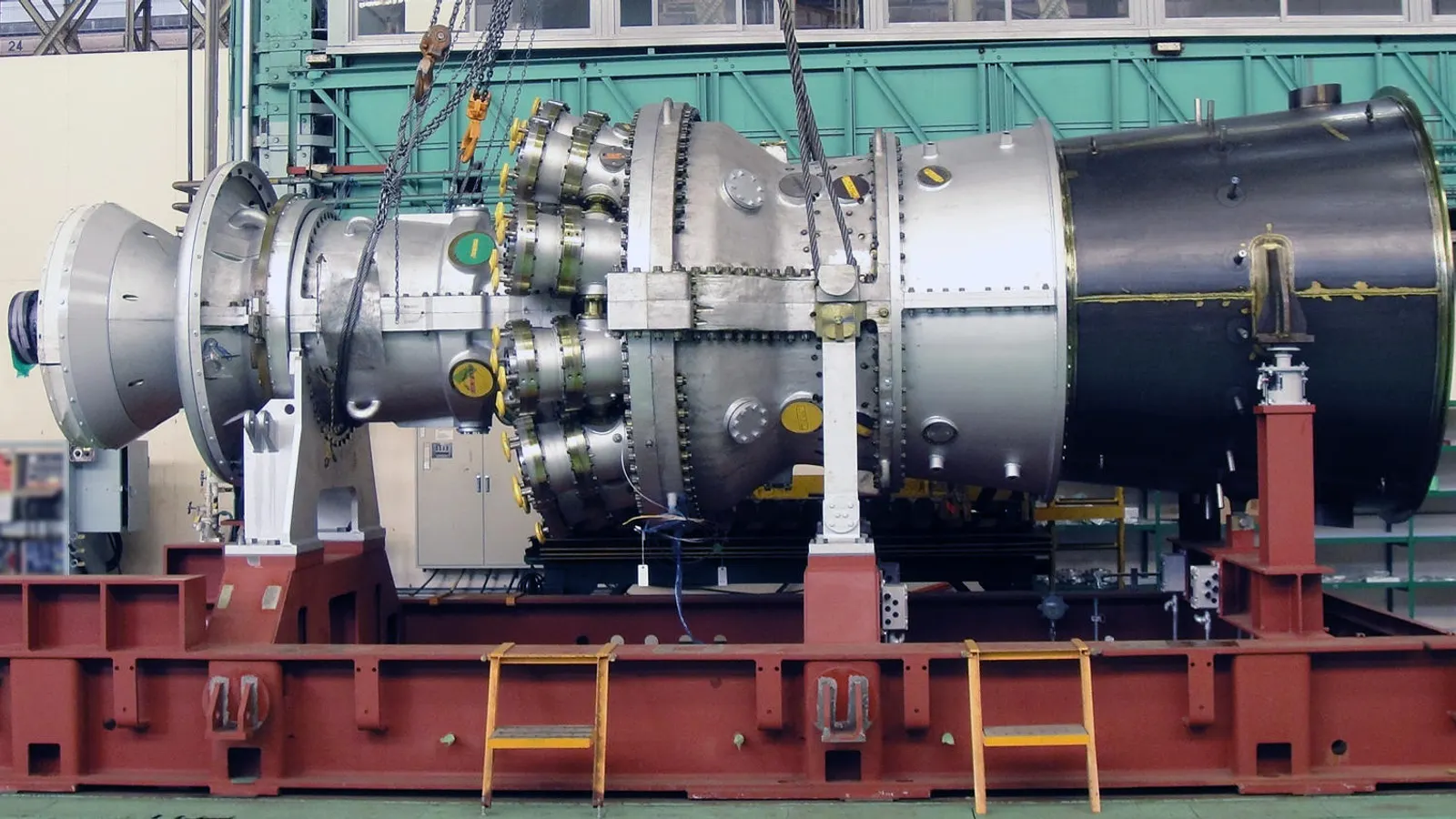
- AEP secured 3 GW of gas turbine capacity in Q2, bringing total deployable turbine supply by 2031 to approximately 13 GW, with deals sourced through GE Vernova and Mitsubishi.
- AEP also secured options for an additional 10 GW of turbines by 2035, a timeline CFO Trevor Mihalik said dovetails with replacing aging coal plants and retiring gas plants in AEP's vertically integrated utilities.
- AEP Ohio reached a deal to buy the 710-MW coal-fired Longview power plant near Maidsville, West Virginia, and bought a permit to build a 1.2-GW gas-fired power plant at the same site, converting a coal footprint into a gas replacement.
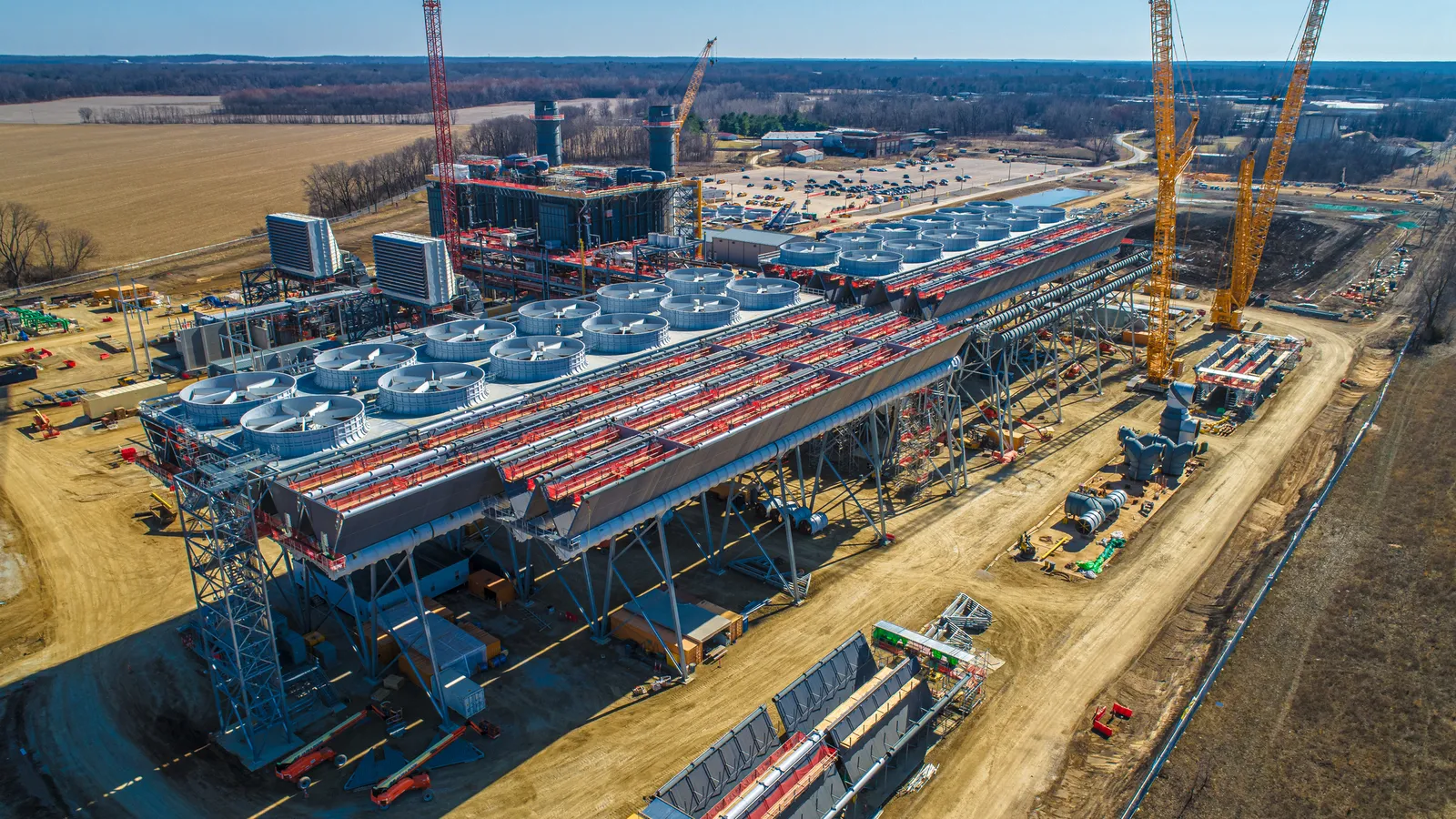
- AEP's utilities plan to add 27.2 GW by 2035 — 15.3 GW gas, 6.4 GW solar, 5.1 GW wind, and 500 MW of storage — under a $78 billion, five-year capital plan covering 2026 through 2030.
- AEP's contracted large load pipeline grew to 69 GW from 63 GW in Q1, including 45 GW in Texas and 12 GW in Ohio, driven primarily by data center demand.
- AEP walked back threats to leave the PJM Interconnection, with CEO Bill Fehrman citing 'significantly increased' engagement with PJM, FERC, and other stakeholders after a July 23 FERC technical conference on PJM governance.
Why it matters: AEP's 13 GW of secured turbines and 10 GW of options by 2035 bet that surging data center demand — its large-load pipeline jumped from 63 GW to 69 GW in one quarter — justifies a gas-heavy buildout under its $78 billion capital plan. The Longview deal shows the strategy in microcosm: a 710-MW coal plant purchase plus a 1.2-GW gas plant permit at the same West Virginia site.
Ask SkimNews