U.S., South Korea, Japan Back North Korea Disarmament — SkimNews

Get the Geopolitics newsletter
Daily geopolitics — wars, elections, sanctions, the diplomatic moves that move markets. Free.
- U.S., South Korea and Japan reaffirmed at G20 talks on October 30 in Atlanta their commitment to North Korea’s “complete denuclearisation” and to fully implementing UN Security Council resolutions, including a ban on revenue supporting its nuclear and ballistic-missile programs.
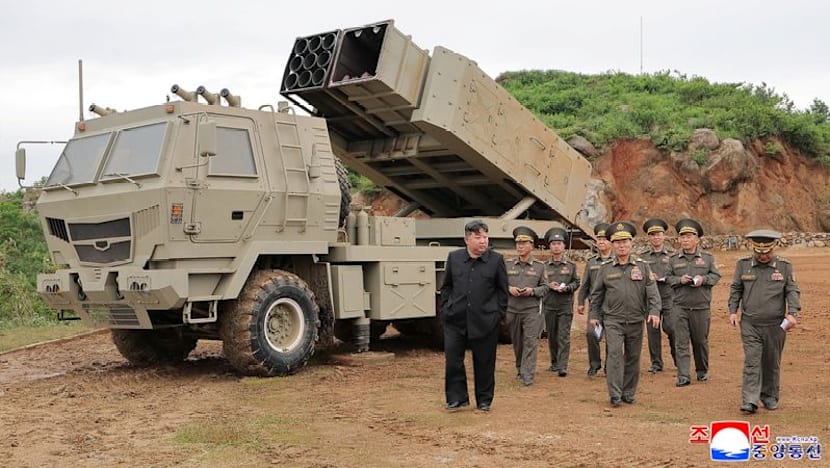
- North Korea has enshrined its nuclear-armed status in law, repeatedly declares its arsenal permanent and irreversible, and on October 31 denounced a sanctions-monitoring group’s joint statement as ineffective.
- Trump has repeatedly offered nuclear talks, scaled back joint drills with South Korea, said he was “100%” open to meeting Kim Jong Un and conceded last year that North Korea was already “sort of a nuclear power.”
- Lee Jae Myung proposed in September that Washington seek a freeze, rather than immediate elimination, of North Korea’s nuclear program in exchange for sanctions relief; critics said that approach risks tacit acceptance of the nuclear-armed status.
- Kim Jong Un may have conveyed North Korea’s position on possible talks with Trump to Beijing during a recent visit to Dandong, according to analysts and South Korea’s spy agency.
- China may be moving toward tacit acceptance of North Korea’s nuclear status, analysts said, citing the omission of denuclearization from statements after Kim Jong Un met Xi Jinping in June.
Why it matters: The October 30 pledge puts Lee Jae Myung’s September freeze-for-sanctions-relief proposal in direct tension with Washington’s and Japan’s demands for complete denuclearization. At a possible Trump-Kim meeting at November’s APEC summit, the disagreement leaves sanctions relief as the concrete measure separating Seoul’s preferred freeze from the allies’ call for elimination.
Ask SkimNews