Xi Tells Trump: Avoid 'Thucydides Trap' — SkimNews

Get the Geopolitics newsletter
Daily geopolitics — wars, elections, sanctions, the diplomatic moves that move markets. Free.
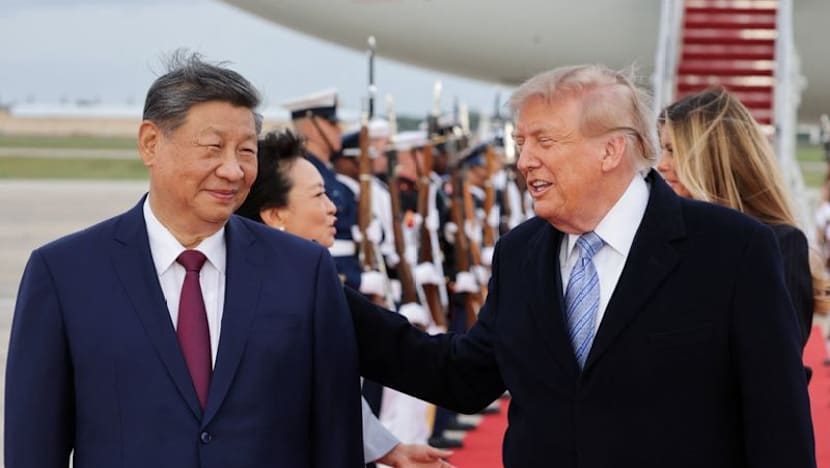
- Xi Jinping arrived at the White House on September 24, 2026 for his second state visit, greeted by Trump and First Lady Melania at the South Portico after stepping out of a Hongqi N701 — China's equivalent of the U.S. presidential limousine.
- Trump called the relationship a 'truly great friendship' built since his 2016 election, invoking WWII-era cooperation and pledging to 'forge a better future for both of our nations' in his opening remarks.
- Xi invoked the 'Thucydides Trap,' saying China and the U.S. 'must hold the line of no conflict and no confrontation' and framing their rivalry as 'a race of catching up with one another, not a wrestle in which either wins, or loses.'
- On AI, Xi said both nations have 'the capability and responsibility' to ensure artificial intelligence 'is always under human control and serves the well-being of the people.'
- Xi announced two pandas will arrive at Zoo Atlanta 'in a few days,' unveiled plans to invite 100,000 young Americans to China over the next 5 years, and called for more direct flights between the two countries.
- No major U.S. TV network aired live footage of the White House meeting or ceremonies — a detail that aligns with wider reporting on Trump-era media access restrictions, even as the visit featured full state-visit pomp including a grand evening banquet.
Why it matters: Xi's second state visit and his explicit Thucydides Trap framing mark Beijing's diplomatic preference for managed competition over confrontation as the two powers discuss AI governance, youth exchanges, and military communication. The absence of live coverage by major U.S. networks — despite the summit's historic pomp — means Americans encountered the historic moment through curated press access rather than unfiltered broadcast.
Ask SkimNews