Tesla Semi Clears Grapevine Pass in Covenant Logistics Trial — SkimNews
Get the Energy newsletter
Daily energy & climate — solar, EVs, oil, the policy fights and tech bets shaping the transition. Free.
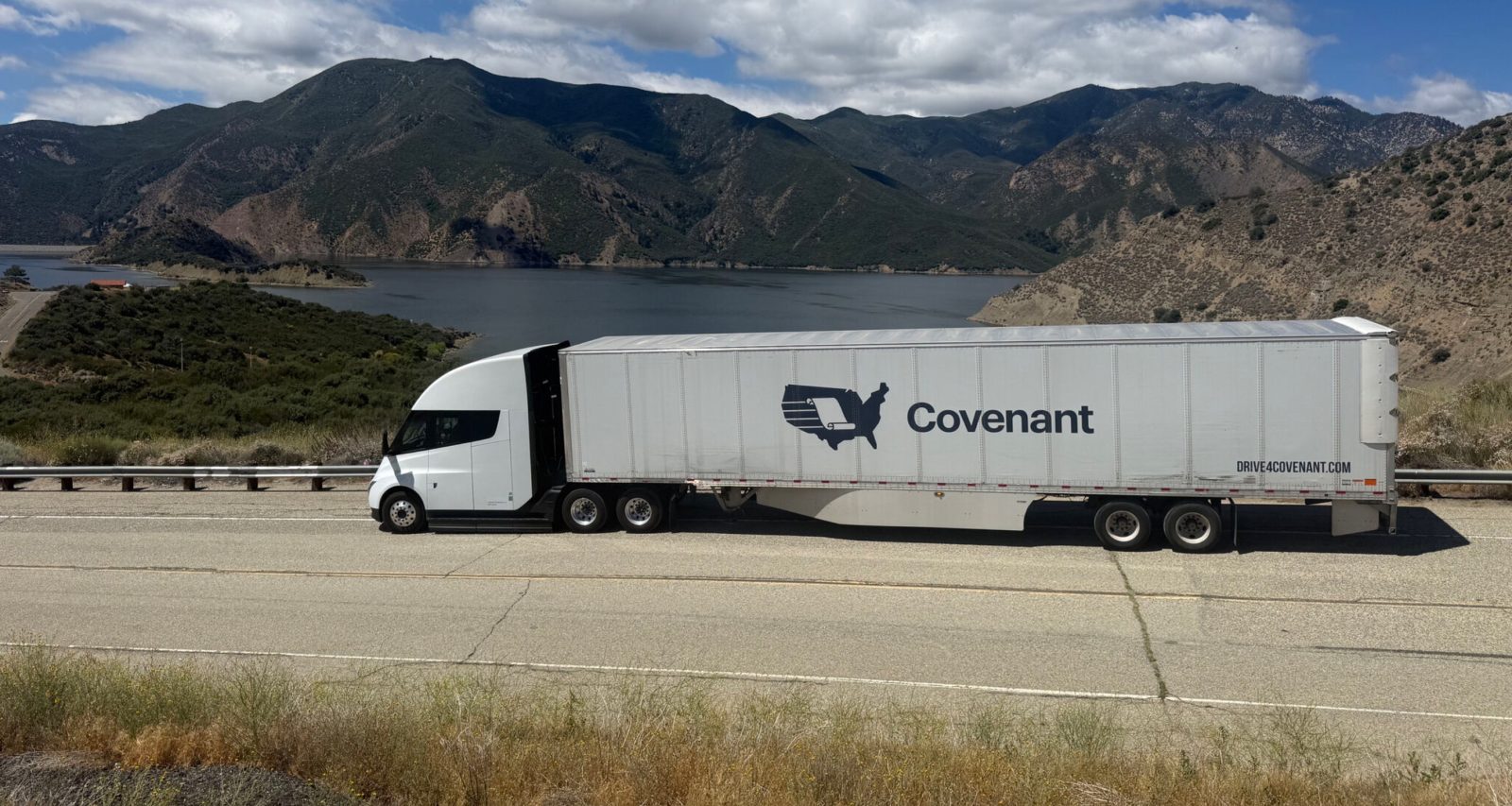
- Covenant Logistics completed a two-week evaluation of the 500-mile Tesla Semi in California, including a loaded run over the Grapevine on I-5 between Santa Clarita and the San Joaquin Valley, with a full summary promised "coming soon."
- Matt McLelland, Covenant's VP of Sustainability and Innovation, said the driver "was amazed at the performance" and felt confidence "hard to match in a diesel truck," and noted that regenerative braking eliminates brake fade risk on the steep southbound descent.
- The Grapevine is one of the most demanding freight corridors in the US, sitting at 4,160 feet elevation with a northbound descent dropping 2,613 feet over 11.6 miles, including a 6% grade section running 5 miles.
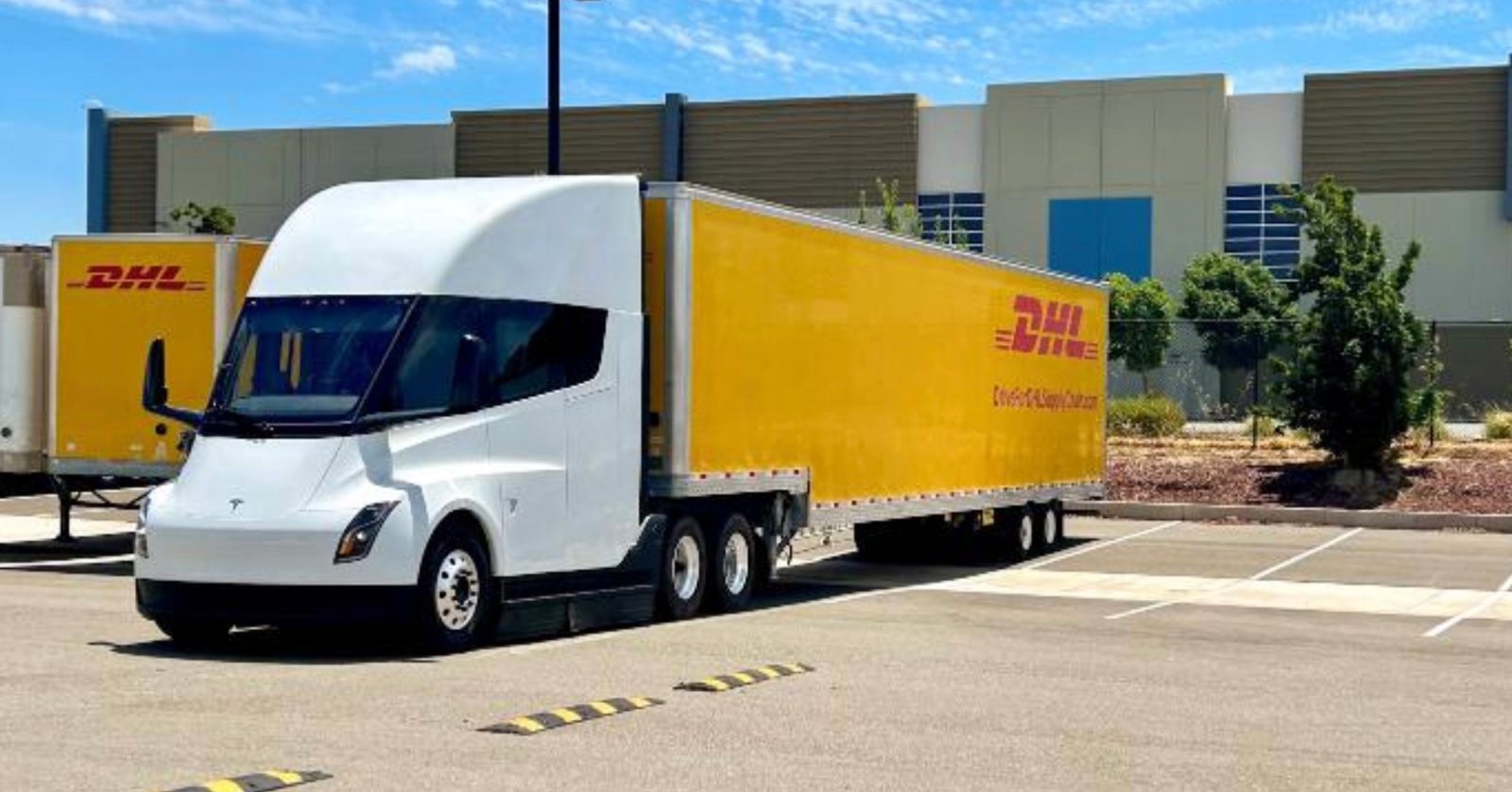
- The evaluation joins a growing pattern of positive fleet results: ArcBest logged 4,494 miles at 1.55 kWh/mile, DHL Supply Chain completed a 3,000-mile trial at 1.72 kWh/mile and has since taken delivery, and CEVA Logistics avoided 4.38 metric tons of CO₂ in a West Coast trial.
- Covenant Logistics Group reported $1.16 billion in 2025 revenue and operates over 2,600 tractors, making it one of the larger fleet assessments of the Tesla Semi to date.
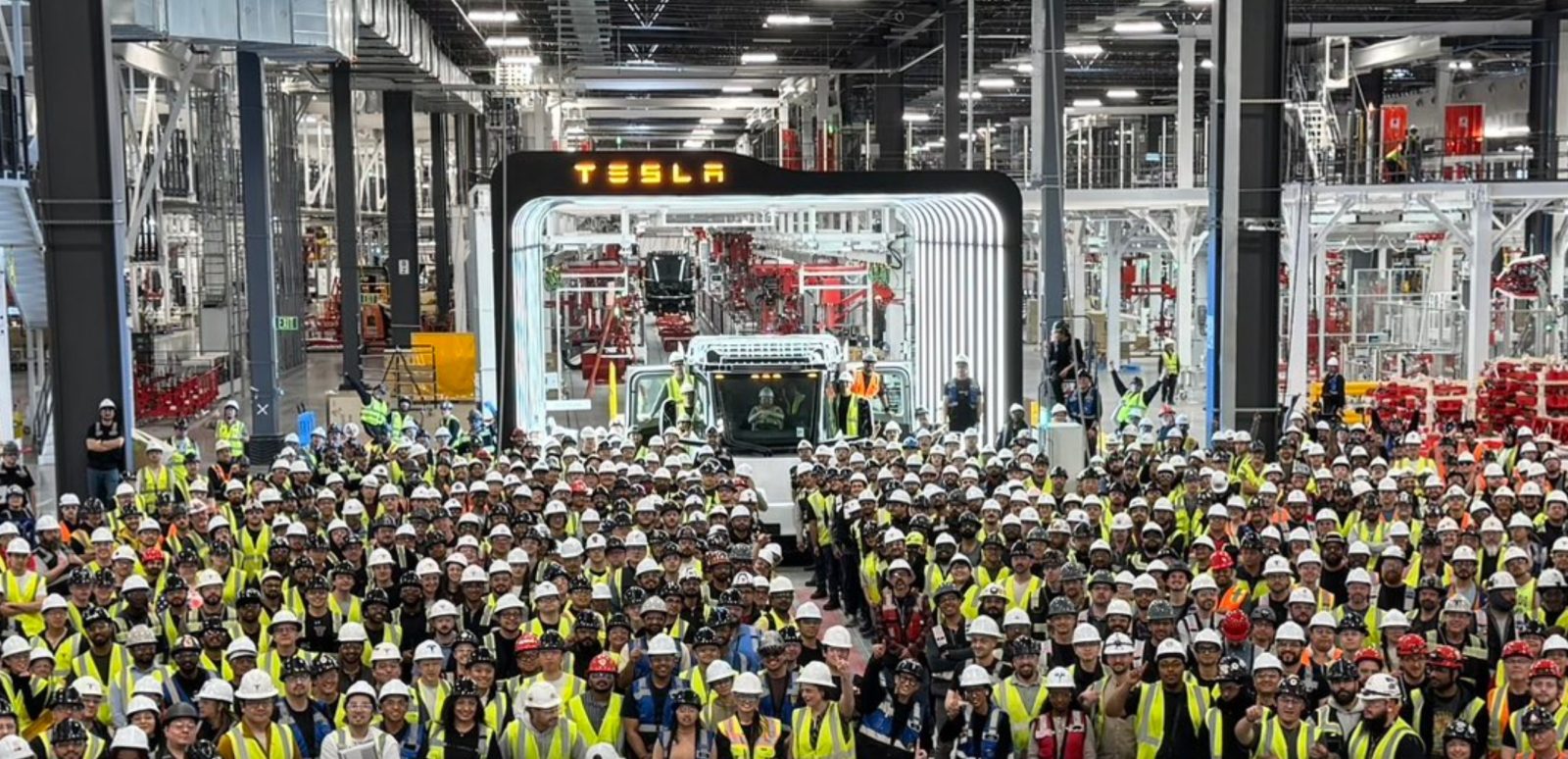
- Tesla began volume production of the Semi at its Nevada Gigafactory on April 29 and has already landed a 60-truck order from port drayage fleets, shifting the industry's open question from performance to production capacity.
Why it matters: Six major fleet operators — Covenant, ArcBest, DHL, CEVA, MDB, and AiLO — have now run structured Tesla Semi evaluations with positive results across long-haul, regional, and port drayage operations. With Covenant's $1.16B-revenue, 2,600-tractor fleet reporting a strong driver reaction on the punishing Grapevine route, the data point carries real procurement weight, and the bottleneck for Semi adoption is shifting from whether the truck works to whether Tesla can build them fast enough.
Ask SkimNews