Hijacking pirates exploit regional chaos to return to seas off Somalia — SkimNews

Get the Geopolitics newsletter
Daily geopolitics — wars, elections, sanctions, the diplomatic moves that move markets. Free.
- Somali pirates have conducted eight hijackings since late April—the highest level in a decade—including two in August that targeted an Iran-linked oil tanker and the Cameroon-flagged Lutuf, which was carrying military equipment for Turkey.
- The Lutuf was released after a joint Turkish-Somali operation destroyed four pirate vessels, but local officials including Puntland's Mohamed Mubarak say a $2.5m (£1.85m) ransom was also paid, a pattern analysts warn could incentivize further attacks.
- Houthi Red Sea attacks and Iran's naval operations in the Strait of Hormuz have diverted global anti-piracy resources, while roughly 70% of Red Sea traffic is now rerouting around the Cape of Good Hope, drawing ships closer to Somalia's coastline.
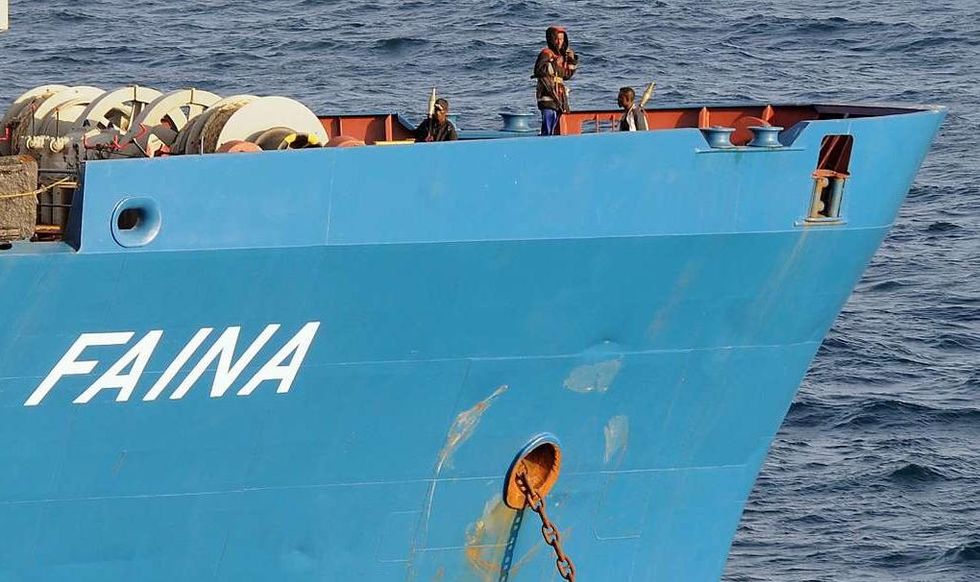
- Pirate groups are using SpaceX's Starlink satellite internet for target tracking and high-speed communications, and deployed the previously hijacked cement carrier MV Sward as a mothership to board the Lutuf three nautical miles off Maraya.
- Rising oil prices driven by the Iran conflict have made cargoes more valuable targets, while al-Shabaab's expanding territorial control and reported ties to the Houthis are deepening the regional instability pirates exploit.
- Turkish drone strikes killed nine armed pirates during the Lutuf operation, both at sea and on land, prefiguring a tougher counter-piracy approach given that no current alliance has the will or capacity to replicate the billion-dollar annual naval missions of 2011-2012.
Why it matters: With no alliance willing or able to replicate the billion-dollar annual counter-piracy missions of 2011-2012, the ~70% of Red Sea traffic now rerouting past Somalia faces a decade-high piracy resurgence that has already extracted a $2.5m ransom for the Lutuf and is drawing on Starlink coordination and mothership tactics that outpace current commercial security measures.
Ask SkimNews