Somali Piracy Returns as Iran War Diverts Global Navies — SkimNews

Get the Geopolitics newsletter
Daily geopolitics — wars, elections, sanctions, the diplomatic moves that move markets. Free.
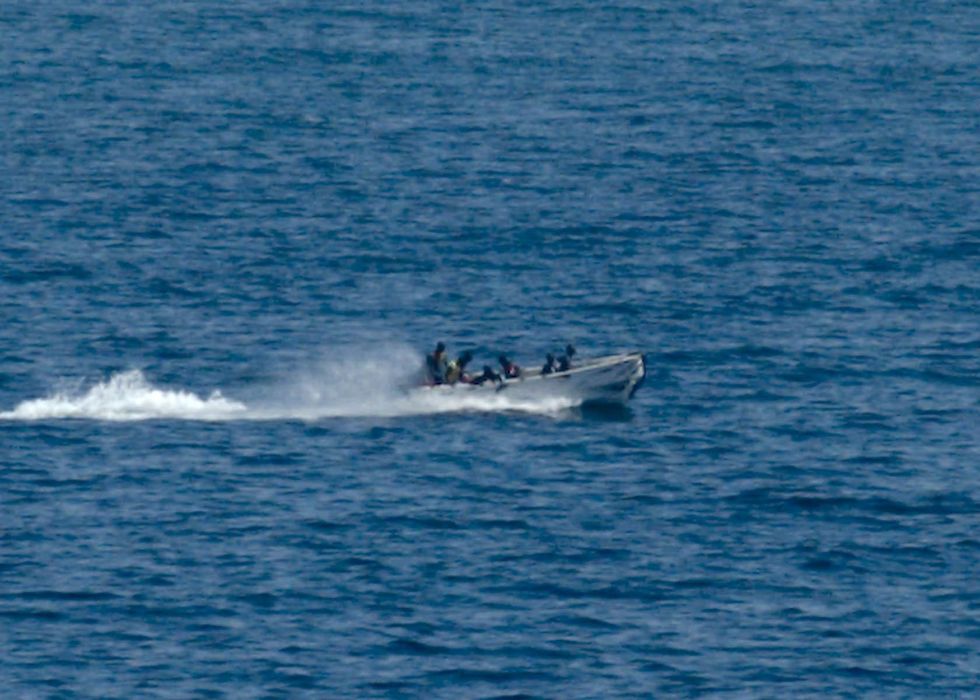
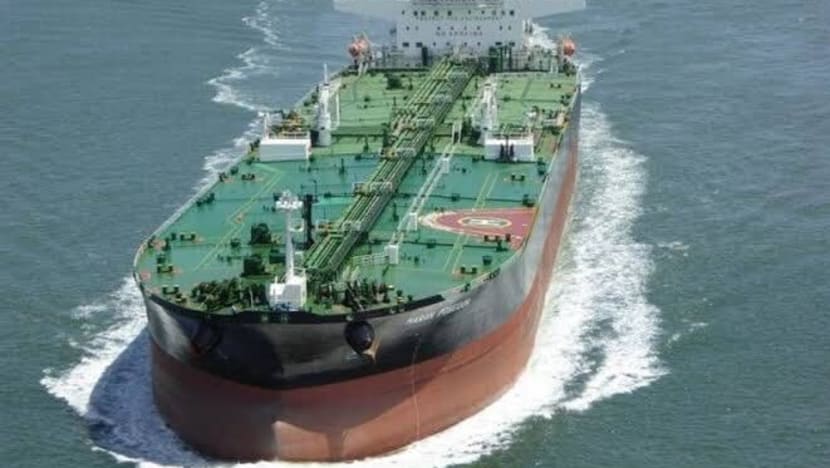
- Somali pirates have carried out eight hijackings since late April, including two within a fortnight in August — one targeting an Iran-linked oil tanker and another the Cameroon-flagged Lutuf carrying Turkish military equipment.
- The Lutuf was released two weeks after capture via a joint Turkish-Somali operation that destroyed four pirate vessels, though Puntland's Mohamed Mubarak confirmed a $2.5m ransom was also paid, a payment analysts warn could encourage further incidents.
- Matthew Reisener of the Center for Maritime Security warned that Iran's naval campaigns in the Strait of Hormuz and Houthi Red Sea attacks have diverted global anti-piracy navies and rerouted roughly 70% of Red Sea traffic around the Cape of Good Hope, creating openings for Somali pirates.
- Pirate groups have grown technologically sophisticated, using SpaceX's Starlink satellite internet for target tracking and communications, and repurposing a previously hijacked cement carrier, the MV Sward, as a mothership to board the Lutuf near the fishing town of Maraya.
- Ransom money flowing into Galkayo in the Mudug region has visibly boosted the local economy, with residents reporting increased khat consumption and more expensive SUVs on the roads — the same pattern that fueled social upheaval during the 2005-2012 piracy boom.
- Turkish drone strikes killed nine armed men during the Lutuf rescue, striking pirates both at sea and on land, foreshadowing a shift to harder counter-piracy measures as academics Anja Shortland and Federico Varese question whether any state or alliance has the capacity for a 2011-2012-scale naval mission.
- The International Institute for Strategic Studies concluded in May that the redeployment of anti-piracy fleets, the relaxation of commercial risk-management practices, and the distraction posed by Houthi Red Sea attacks have converged to create the current opening.
Why it matters: With ransoms reaching $2.5m per ship and roughly 70% of Red Sea traffic rerouted around the Cape of Good Hope, shipping costs for vulnerable cargoes will rise as carriers absorb hijacking risk. No state or alliance currently has the capacity for a 2011-2012-scale naval mission, leaving Somali pirates — now using Starlink and hijacked motherships — room to escalate.
Ask SkimNews