US-Saudi Nuclear Deal Reportedly Includes Enrichment Rights — SkimNews

Get the Geopolitics newsletter
Daily geopolitics — wars, elections, sanctions, the diplomatic moves that move markets. Free.
- The Trump administration signed a July 22 deal to provide Saudi Arabia with U.S. nuclear reactors and know-how, reportedly including the right to enrich uranium in a black-boxed facility the U.S. would construct.
- U.S. Energy Secretary Christopher Wright and Saudi Energy Minister Abdulaziz bin Salman signed the agreement, which focused exclusively on nuclear issues with no mention of Israel or normalization.
- Trump posted on Truth Social on July 23 adding the condition of Saudi Arabia joining the Abraham Accords, while falsely claiming "There will be no enrichment of material" — a statement the source says the agreement text did not actually contain.
- The deal falls short of the 2009 U.S.-UAE "123 Agreement," which excluded enrichment and reprocessing of uranium and included IAEA safeguards; Saudi Arabia has refused to accept the IAEA's additional protocol for intrusive inspections.
- The agreement undercuts decades of U.S. nonproliferation policy at a time when the U.S. is actively bombing Iran to stop its enrichment program — the same activity it just greenlit for Riyadh.
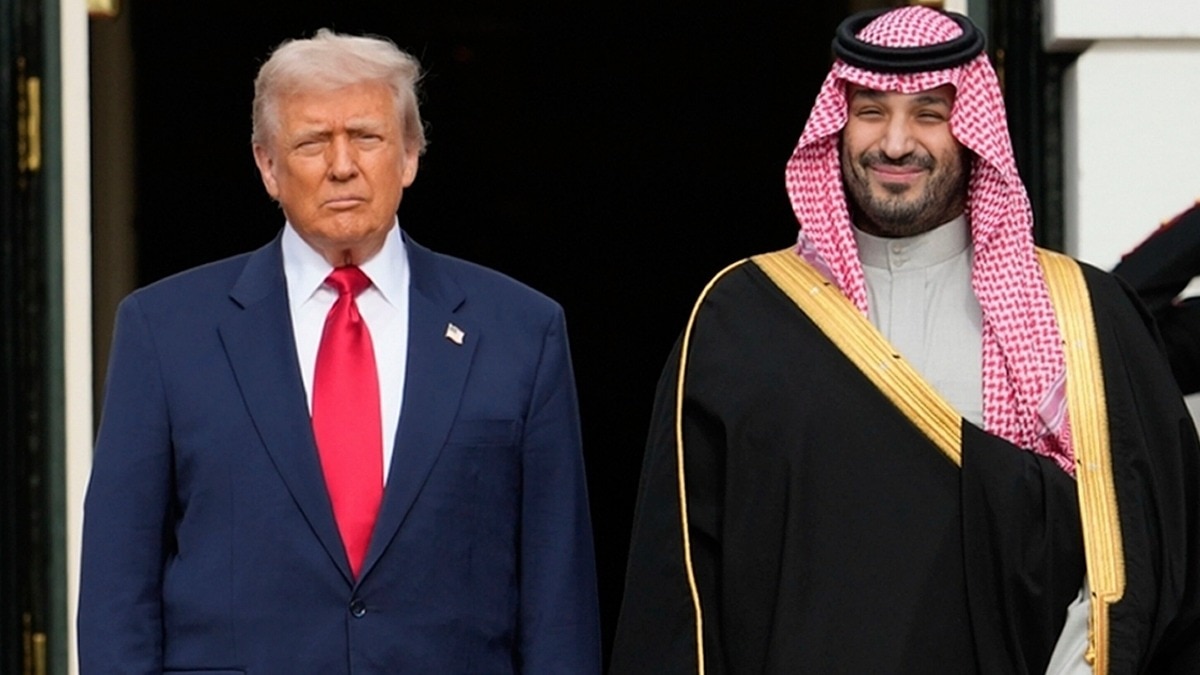
- Crown Prince Mohammed bin Salman is pursuing what the source calls a "360-degree foreign policy," maintaining close ties to Russia and China, with no guarantee of long-term reliability as a U.S. ally.
Why it matters: This deal undercuts decades of U.S. nonproliferation policy — particularly while the U.S. is bombing Iran for the same enrichment activities it just greenlit for Riyadh. Saudi Arabia refused the IAEA's additional protocol for intrusive inspections, and Crown Prince MBS's close ties to Russia and China raise long-term reliability questions for a U.S.-built enrichment facility on Saudi soil.
Ask SkimNews