Trump's Energy Emergency Can't Fix Iran War's Fuel Crisis — SkimNews
Get the Geopolitics newsletter
Daily geopolitics — wars, elections, sanctions, the diplomatic moves that move markets. Free.
- Trump's Jan. 20 executive order declaring a 'national energy emergency' has done nothing to mitigate a refined-fuel shortage caused by his own war in Iran, which closed the Strait of Hormuz and destroyed Middle Eastern refineries, according to Gbenga Ajilore of the Center on Budget and Policy Priorities.
- Energy Secretary Chris Wright issued multiple emergency orders blocking scheduled coal plant retirements, but keeping Michigan's J.H. Campbell plant open has cost Midwest ratepayers nearly $300 million, and an appellate court in September rejected the department's legal reasoning, calling the emergency claims 'unpersuasive.'
- BP's Kaskida deepwater project was unlocked after the 'God Squad' waived Endangered Species Act protections in a meeting lasting only minutes, but Kaskida is years from production and would supply only a small fraction of the oil that normally moves through the Strait of Hormuz each month.
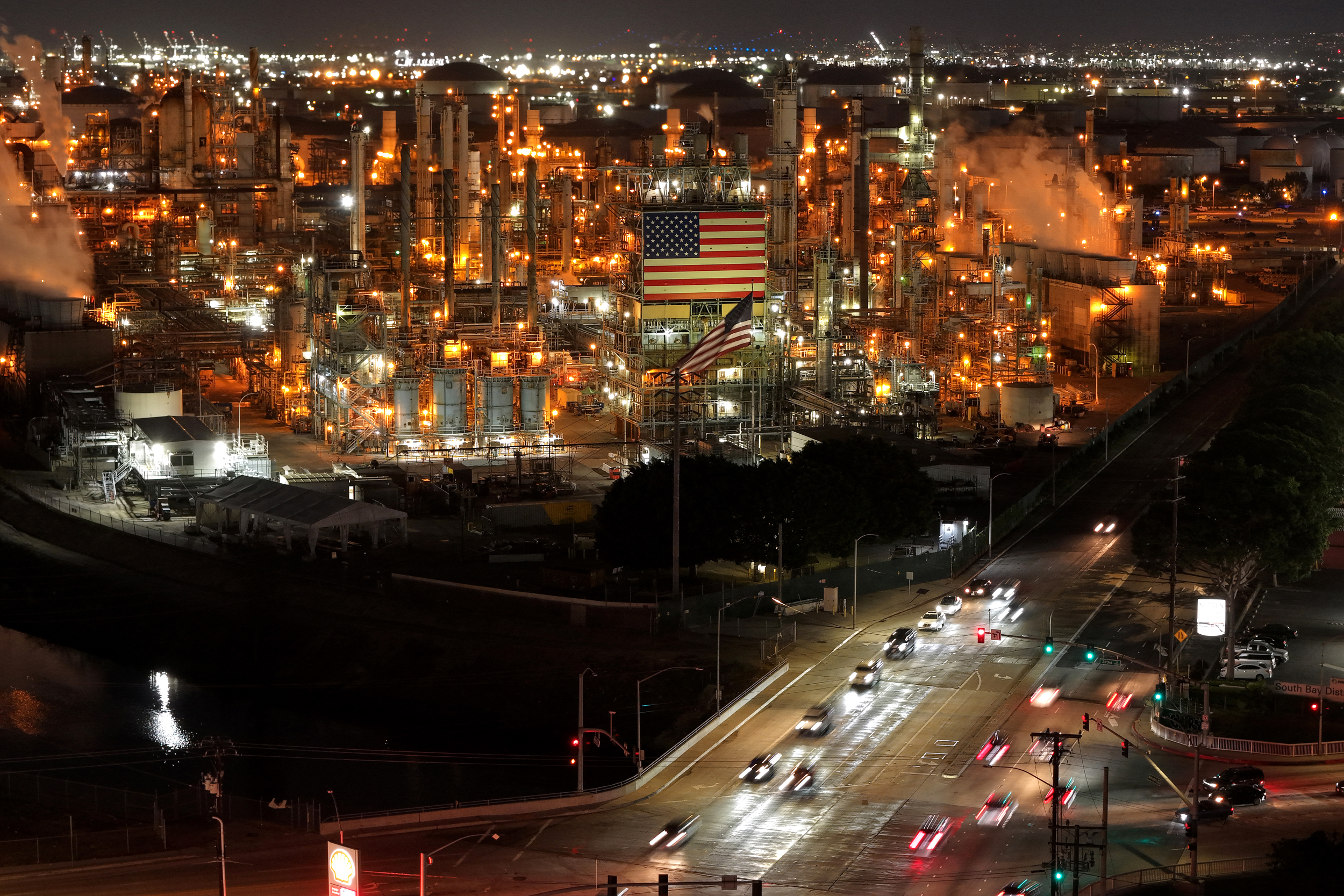
- U.S. refineries are already running near maximum capacity with no slack to ramp up — refiners have delayed maintenance to keep producing while profit margins are high — so there is no domestic way to increase gasoline and diesel output, according to Abhi Rajendran of Energy Intelligence.
- Around a dozen states have sued Trump over the original energy emergency executive order, with oral arguments scheduled for October 20, while Georgetown Climate Center's Melissa Birchard told the source courts are growing skeptical of repeated emergency declarations.
- The 'crack spread' — the gap between refined fuel prices and crude oil — hit a multi-year high over the summer, because even though crude flow through the Strait of Hormuz has partly recovered under U.S. military escorts, there aren't enough undamaged refineries worldwide to meet demand.
Why it matters: The structural gap between Trump's emergency powers and the actual energy problem — a refined-fuel shortage triggered by his own war — means U.S. consumers are stuck paying historic prices (gasoline above $4, diesel above $6 per gallon) until the Iran conflict ends; simultaneously, federal courts are starting to push back on the legal logic of his emergency declarations, beginning with the Michigan coal-plant ruling in September.
Ask SkimNews