US Demands Asia Allies Rearm as Military Spending Hits $681B — SkimNews

SkimNews Take
The pursuit of individual state security through increased armaments is paradoxically creating a collective regional insecurity, as the perceived need for more weapons becomes a self-fulfilling prophecy.
Get the Geopolitics newsletter
Daily geopolitics — wars, elections, sanctions, the diplomatic moves that move markets. Free.
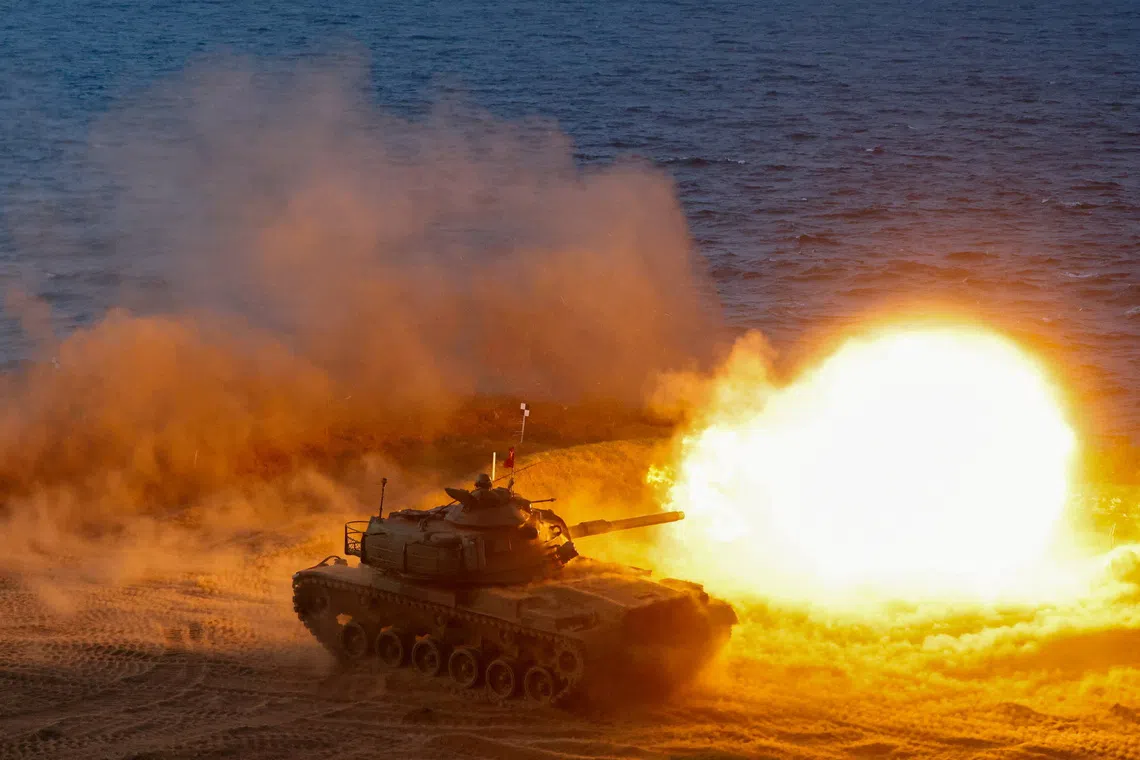
- SIPRI reported Asia-Pacific military spending rose 8.1% in 2025 to $681 billion, the headline figure underscoring what IISS Senior Fellow Evan A. Laksmana called an inescapable worsening security environment for major, middle, and small states alike.
- Pete Hegseth announced the US will spend $1.5 trillion on defense and explicitly praised South Korea, the Philippines, Australia, Singapore, Malaysia, Thailand, Vietnam, and India for investing in their own security — contrasting them favorably with Europe.
- Hegseth notably omitted Taiwan from this year's speech, a striking reversal from his 2025 warning that 'communist China' might be close to attacking the island, and he adopted the Trump-Xi 'constructive strategic stability' language verbatim.
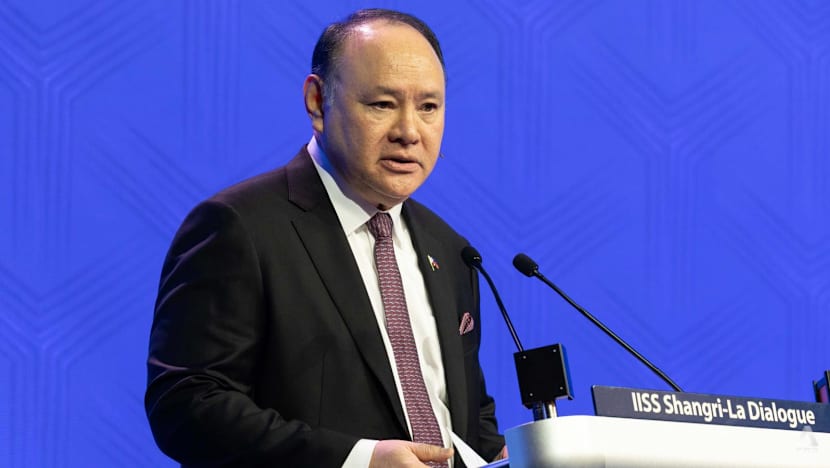
- Vietnamese President To Lam opened the conference insisting that state competition is natural but must be contained within a legal framework, arguing that 'a sustainable regional order cannot be built on constant fear and mutual distrust' and that development is not secondary to security.
- ICRC President Mirjana Spoljaric was the lone dissenter on the rearmament consensus, warning that 'where weapons are produced, weapons end up being used' and demanding that the human and material costs of war be built into defense budgets from day one.
- Former Chinese Vice Foreign Minister Cui Tiankai told DW that the Trump-Xi 'constructive strategic stability' framework requires halting arms deliveries to Taiwan, and expressed satisfaction that Hegseth echoed Beijing's preferred language.
- Germany is expanding its Pacific footprint — State Secretary Nils Hilmer said Berlin is developing joint strategies with Japan and Singapore, participated in RIMPAC, and confirmed the Bundeswehr now has sufficient funding following a constitutional amendment.
- Hegseth declined to confirm the $14 billion Taiwan arms package approved by Congress but put on hold by Trump in May, saying the decision lies with the US president.
Why it matters: Asia-Pacific military spending jumped 8.1% to $681 billion in 2025 and the US is committing $1.5 trillion in defense spending, with Hegseth explicitly demanding Asian allies match that scale — a hard pivot from the Trump-Xi détente that, in Beijing's reading, should include killing the $14 billion Taiwan arms deal still awaiting the president's signature.
Ask SkimNews