Israel Votes on Netanyahu’s Wartime Leadership — SkimNews

Get the Geopolitics newsletter
Daily geopolitics — wars, elections, sanctions, the diplomatic moves that move markets. Free.
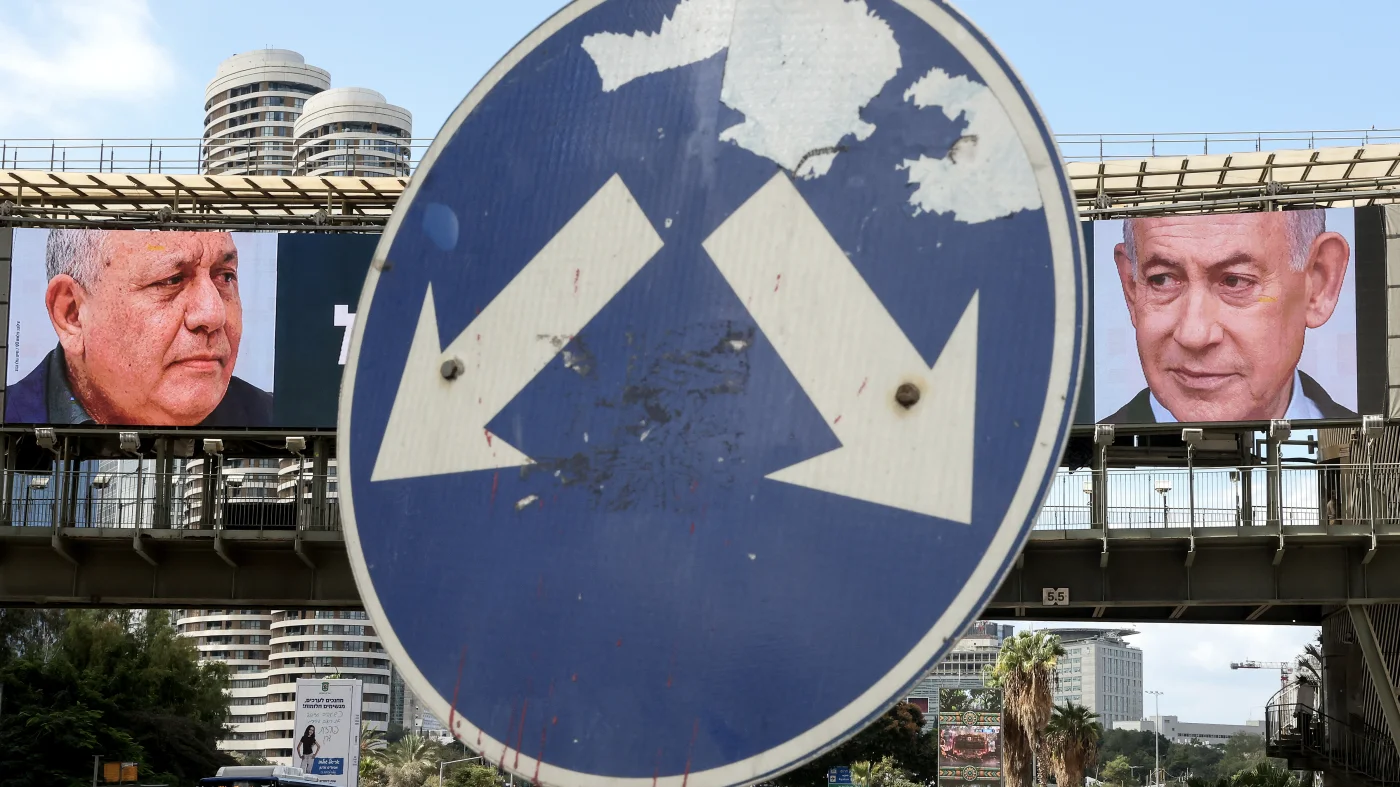
- Benjamin Netanyahu campaigns for re-election amid scrutiny over his government's handling of the October 7, 2023, Hamas attack and the subsequent war in Gaza, as security and accountability dominate the election debate
- Gadi Eisenkot, former IDF chief and leader of the centrist Yashar party, challenges Netanyahu by criticizing the lack of a clear war strategy and positioning himself as a security-focused alternative
- Naftali Bennett leads the B'Yachad alliance, including Yair Lapid's Yesh Atid, and joins opposition efforts to unseat Netanyahu while maintaining hardline security stances
- Ultra-Orthodox parties Shas and United Torah Judaism hold pivotal influence, with their support contingent on preserving military-service exemptions for Haredi men, a policy challenged by Israel's Supreme Court in 2024
- Israel's electoral system requires parties to clear a 3.25% threshold to enter the 120-seat Knesset, encouraging pre-election alliances and making coalition negotiations critical after voting
- The opposition bloc, despite strong polling from Eisenkot and Bennett, remains fragmented and lacks a guaranteed path to the 61 seats needed to form a government, mirroring Netanyahu's uncertain majority
Why it matters: Netanyahu’s political survival hinges on maintaining support from far-right and religious allies who demand concessions on military conscription and judicial policy, while the opposition’s inability to unify behind a single leader could prolong political instability even if he loses ground. The result will shape Israel’s wartime governance and its domestic balance between secular and religious authority.
Ask SkimNews